



Embedded Systems with ARM Cortex Training by jast tech teaches microcontroller programming, RTOS, drivers, and real-time firmware development for modern embedded devices.
Embedded Systems with ARM Cortex Training by jast tech teaches microcontroller programming, RTOS, drivers, and real-time firmware development for modern embedded devices.
Level
Advanced
Duration
8 Weeks
Trusted by Leading Organizations













The Embedded Systems with ARM Cortex Training by jast tech prepares engineers to design firmware and real-time embedded systems using ARM Cortex-M and Cortex-A processors. The course covers C programming, peripherals, interrupts, drivers, RTOS concepts, communication protocols, and low-power optimization. Learners build complete embedded solutions for IoT, automotive, robotics, and industrial systems. The training aligns with embedded firmware, product engineering, and electronics design careers.
The Embedded Systems with ARM Cortex Training by jast tech prepares engineers to design firmware and real-time embedded systems using ARM Cortex-M and Cortex-A processors. The course covers C programming, peripherals, interrupts, drivers, RTOS concepts, communication protocols, and low-power optimization. Learners build complete embedded solutions for IoT, automotive, robotics, and industrial systems. The training aligns with embedded firmware, product engineering, and electronics design careers.
Job Roles You Can Achieve
After completing this course
- Solutions Architect
- Technical Consultant
- Implementation Specialist
- System Administrator
- IT Professional
Embedded Systems with ARM Cortex Curriculum
Embedded Systems Fundamentals
Explains embedded architectures and constraints.
ARM Cortex Architecture
Covers Cortex-M/A processor internals and instruction sets.
C Programming for Embedded
Teaches low-level firmware programming.
GPIO and Peripheral Interfacing
Focuses on hardware control through MCU.
Interrupts and Real-Time Behavior
Handles time-critical tasks using ISR design.
Related Courses
Training Roadmap
Seven intentional milestones — from first session to dream job.
Onboarding
- Meet your industry mentor
- Define your goals
- Skill gap assessment
Core Learning
- Live interactive classes
- AI-curated content
- Recorded sessions
Hands-on Practice
- Weekly assignments
- MCQ evaluations
- Module quizzes
Real Projects
- 3 live industry projects
- Portfolio building
- Case studies
Mentorship
- 1:1 doubt sessions
- Peer collaboration
- Expert feedback
Certification
- Exam preparation
- Practice dumps
- Industry-recognised certificate
Career Launch
- Resume crafting
- Mock interviews
- Job placement support
Key Projects
Hands-on experience with real-world scenarios designed for mastery.
IoT Smart Environmental Monitoring System
Real-Time Motor Control Using PWM and RTOS Scheduling
Multi-Protocol Embedded Communication Gateway
Available Course Schedules
Select a schedule that works best for you
Starts
23 May 2026
Time
09:30 AM – 12:30 PM
Duration
8 Weeks
Starts
25 May 2026
Time
07:00 AM – 09:00 AM
Duration
8 Weeks
Starts
30 May 2026
Time
02:00 PM – 05:00 PM
Duration
8 Weeks
Starts
01 Jun 2026
Time
08:00 PM – 10:00 PM
Duration
8 Weeks
Need a custom schedule?
Our team will craft the perfect batch for you.
What Our Happy Clients Say
Real Feedback from our clients
What We Offer Beyond Courses
24/7 Support
Round-the-clock assistance
LinkedIn Profile
Professional profile building
Resume Writing
Expert resume crafting
Alumni Guidance
Mentorship from graduates
Interview Prep
Mock interviews & tips
Live Projects
Real-world experience
Tejas Kumar
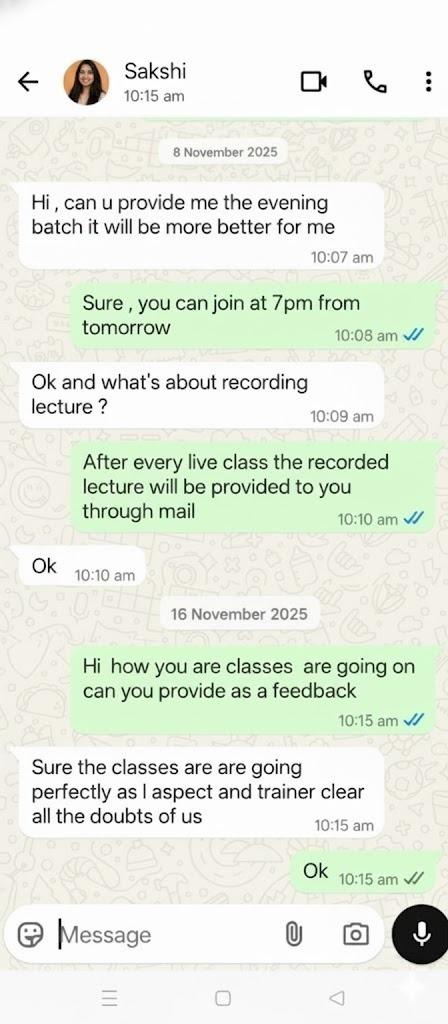
Sakshi Singh
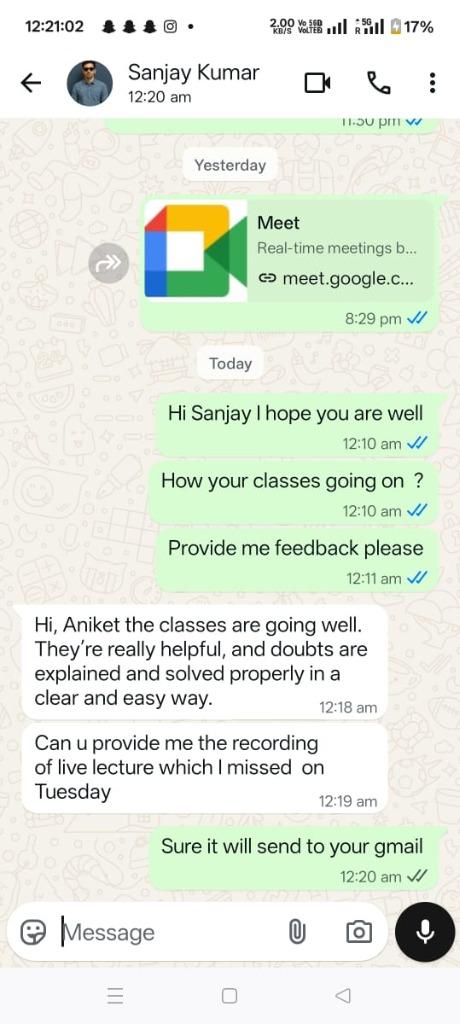
Sanjay Patel
Specialized Training Programs
JastTech For Corporates
JastTech Courses
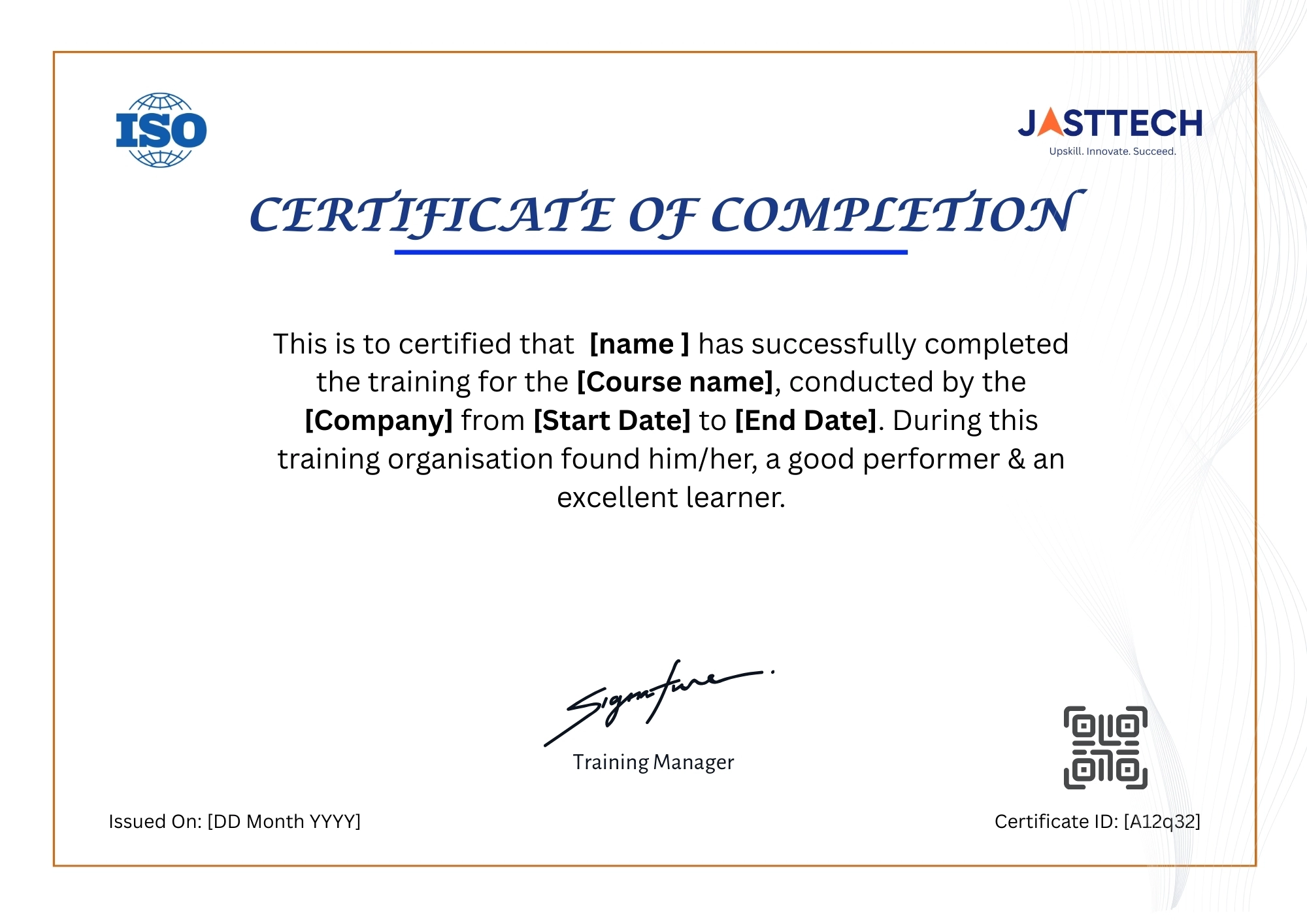
Certification Details
Embedded Systems with ARM Cortex – Associate
- Exam Name
Embedded Systems with ARM Cortex – Associate
- Exam Code
SAA-C03
- Duration
130 minutes
- Format
Multiple Choice & Multi-Response
- Passing Score
720 (Scale: 100–1000)
- Level
Associate
Prepare
Top Interview Questions
Curated questions with expert answers to help you ace your next interview.
Difference between Cortex-M and Cortex-A processors?
Cortex-M processors target microcontrollers and real-time deterministic applications with low power consumption. Cortex-A processors support higher performance and operating systems like Linux. Selection depends on real-time vs application-level requirements.
Why are interrupts preferred over polling in embedded systems?
Interrupts allow immediate event handling without wasting CPU cycles. Polling continuously checks conditions and consumes power inefficiently. Interrupt-driven designs provide better responsiveness and efficiency.
What is the purpose of RTOS in embedded firmware?
RTOS manages multiple tasks with deterministic scheduling and synchronization. It improves reliability and scalability of complex firmware. Without RTOS, task management becomes difficult and error-prone.
How do you debug embedded hardware issues?
Using tools like JTAG, breakpoints, oscilloscopes, and logic analyzers to inspect signals and code behavior. Step-by-step tracing identifies timing or logic faults. Structured debugging reduces development time.
Why is power optimization important in embedded devices?
Battery-operated devices must minimize energy usage to extend runtime and reduce heat. Efficient power management improves reliability and product lifespan. Low-power design is critical in IoT and wearable systems.
Support
Frequently Asked FAQs
Can't find what you're looking for? Reach out to our support team anytime.
Why are ARM Cortex processors dominant in embedded systems?
ARM Cortex cores provide low power consumption, high efficiency, and scalable performance across microcontrollers and application processors. This makes them suitable for everything from simple IoT devices to automotive control units. Their ecosystem, tools, and vendor support make them the industry standard.
Who should enroll in Embedded Systems with ARM Cortex training at jast tech?
Electronics students, firmware developers, robotics engineers, IoT enthusiasts, and professionals aiming for embedded careers benefit most. Beginners gain fundamentals while experienced engineers enhance practical debugging and RTOS skills. jast tech focuses heavily on hands-on labs rather than theory only.
What practical skills will I gain after completing this course?
You will learn firmware programming, peripheral interfacing, driver writing, RTOS task management, hardware debugging, and real-time optimization. These skills directly match embedded job requirements. You will be able to independently develop complete embedded products.
How important is RTOS knowledge in modern embedded development?
Most modern embedded devices run multiple tasks simultaneously such as communication, sensing, and control. RTOS ensures deterministic scheduling and reliable multitasking. Without RTOS, managing complex firmware becomes inefficient and error-prone.
What career opportunities are available after this training?
Roles include Embedded Firmware Engineer, IoT Developer, Automotive ECU Engineer, Device Driver Developer, Robotics Engineer, and Product Engineer. ARM-based systems are used in almost every smart device, creating strong global demand.
The support team was very cooperative and responsive. They made sure all doubts were cleared without delay. Great experience overall.
I had a great experience with the RF Circuit Design course. Thanks to the teaching staff for such a well planned and structured curriculum it really helped me clear my technical certification for my job.
I enrolled in the Post-Silicon Validation Certification Training at JastTech and found it quite different from typical courses. They focus on debugging techniques and real chip-level scenarios, which gave me a better idea of how things work.
One thing I really liked about the Data Analyst course at JastTech is their focus on consistency. Regular sessions and tasks help you stay on track and build a daily learning habit. Also, they provide recordings after live sessions, which help in revision.
I joined JastTech for the DFT course a few months back. At first, I wasn’t sure what to expect, but the classes turned out to be really helpful. The teaching is simple and not too complicated, which helped me keep up.
Take the Next Step in Your Career
Join thousands of learners who have upgraded their skills with our industry-focused training programs. Our experts are here to guide you every step of the way.
Related Articles & Insights
Deep dive into Embedded Systems with ARM Cortex with our expert-curated technical guides and industry updates.

GCP Data Engineer Training: Everything You Need to Know Before You Begin

How to Become a GCP Data Engineer in Bangalore: The Ultimate Step-by-Step Guide
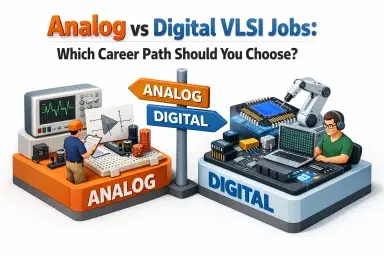
Analog vs Digital VLSI Jobs: Which Career Path Should You Choose?
Analog vs Digital VLSI Careers: Choosing the Right Path
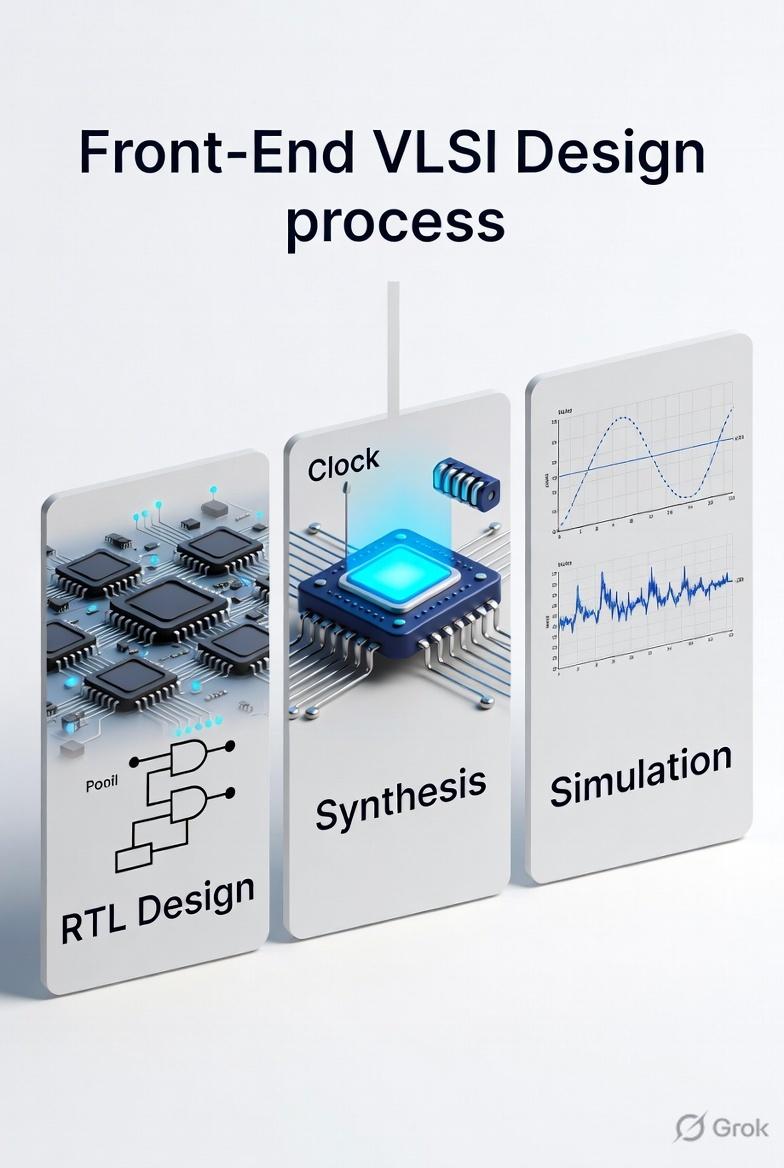
Front-End VLSI Roles Explained: RTL Design, Synthesis, and Simulation.
Front-End VLSI: RTL design, synthesis, simulation
We're Here to Help –
Reach Our Global Offices
Hyderabad
JastTech
Training & Development Center
Plot no 9, IT Park, Madhapur, Hyderabad, Telangana 500081
Pune
JastTech
Training & Development Center
Office 402, Tech Park Road, Hinjewadi, Pune, Maharashtra 411057
Kolkata
JastTech
Training & Development Center
Millenium City - Tower I, Salt Lake, Kolkata, West Bengal 700091
Hyderabad
JastTech
Training & Development Center
Plot no 9, IT Park, Madhapur, Hyderabad, Telangana 500081
Pune
JastTech
Training & Development Center
Office 402, Tech Park Road, Hinjewadi, Pune, Maharashtra 411057
Kolkata
JastTech
Training & Development Center
Millenium City - Tower I, Salt Lake, Kolkata, West Bengal 700091
Can't find your location? Contact us for more information.