

Exploring Guidewire Technology and Its Impact on Mumbai’s Insurance Sector
Navigate through this article using the table of contents below
Table of Contents
No headings found in this article.
A single motor claim can pass through many hands before a Mumbai policyholder hears back, and a good share of that delay hides inside software designed long before mobile apps existed. Guidewire technology was built to fix exactly this kind of friction, which is why professionals exploring Guidewire training in India keep asking how it behaves inside a real insurer.
What does the platform change for insurers in India’s financial capital, and who actually builds it? The answers sit somewhere between regulation, cloud infrastructure and a very specific set of skills.
What Guidewire Technology Actually Does Inside an Insurer
Guidewire is a software platform built mainly for property and casualty insurers. In Indian terms, that means general insurers who sell motor, fire, marine, engineering and commercial covers. Life insurers generally run on different systems, and mixing the two up is one of the most common misunderstandings in search results about this topic.
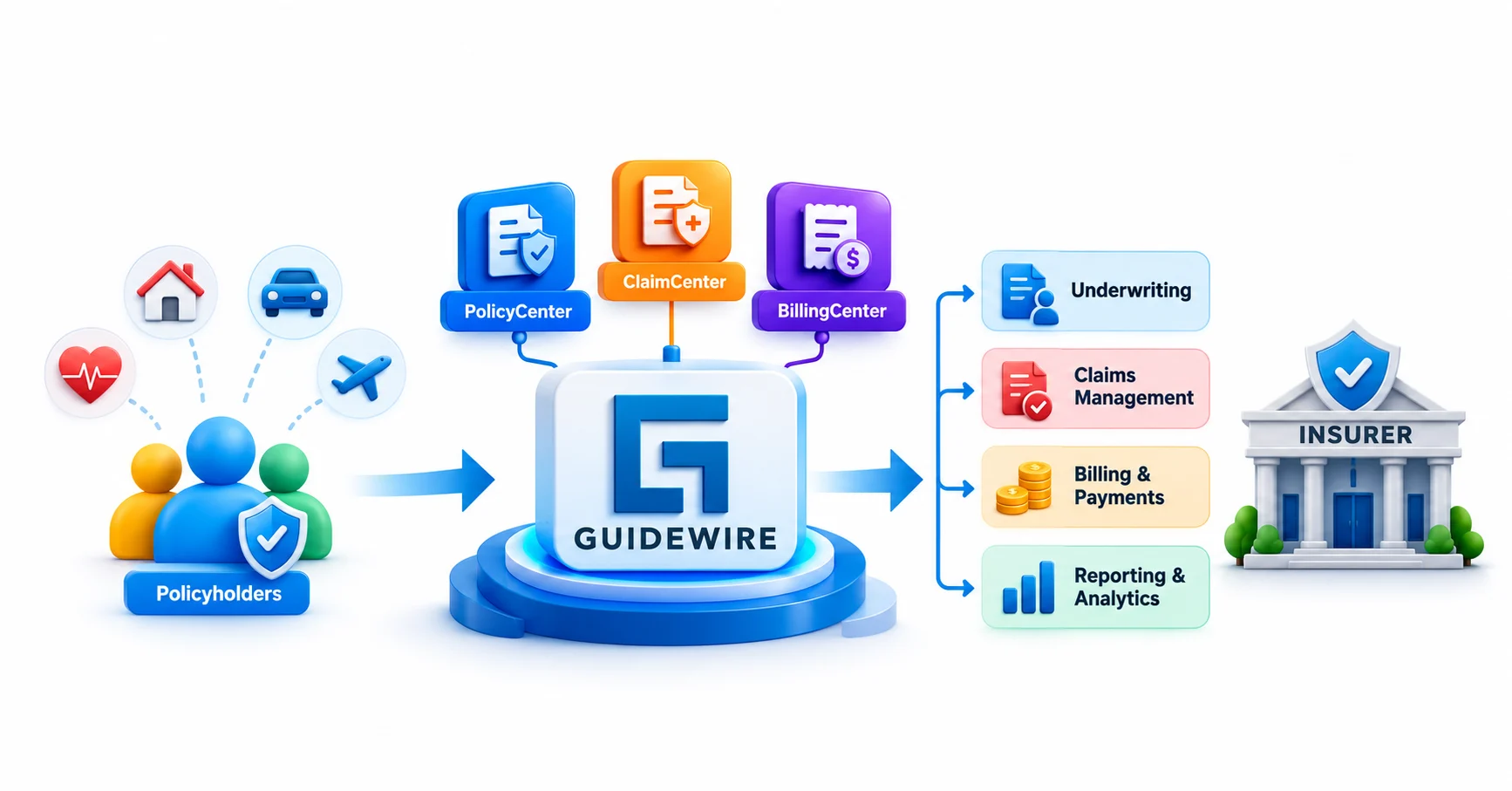
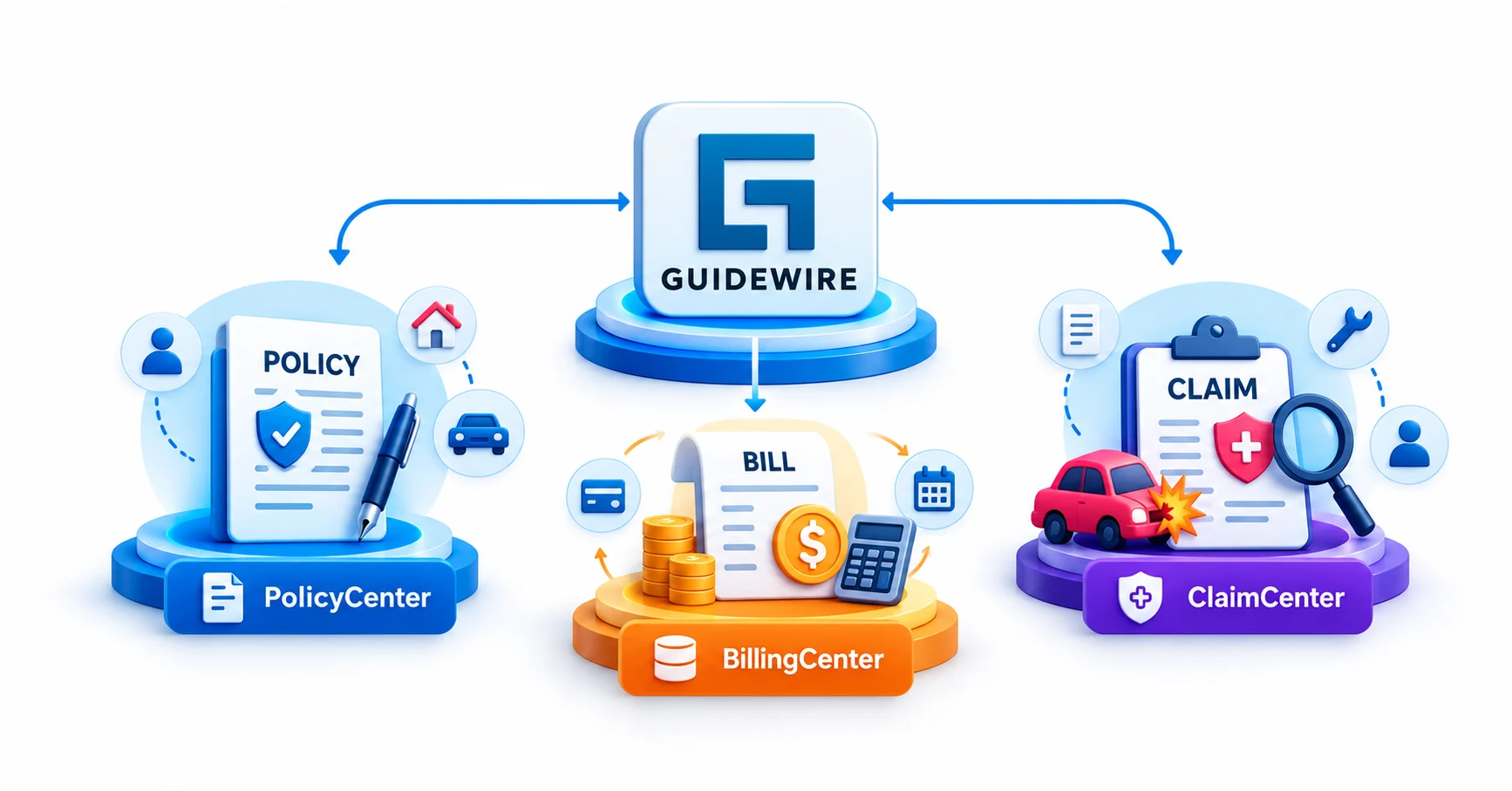
The flagship product, InsuranceSuite, has three core applications. PolicyCenter handles quoting, underwriting, issuing and changing policies. BillingCenter manages invoices, instalments, commissions and collections. ClaimCenter follows a claim from the first report of loss through investigation, reserves, settlement and recovery. Guidewire also offers InsuranceNow, a separate core product aimed at insurers that want a lighter setup, along with data, analytics and digital engagement tools.
The simplest way to picture it is as the insurer’s record-keeping engine. Every policy, premium and claim lives there, and the three applications share one underlying data model.
That shared model is the real reason the platform matters. When a policy changes halfway through its term, billing and claims see the change automatically. In many older setups, each function has its own system, and staff bridge the gaps with spreadsheets, emails and manual re-entry. Those gaps are where errors, delays and customer complaints tend to start.
Guidewire’s own filings also note that it localizes its products for different regulatory, language and currency requirements. For an insurer in India, that localization is not a minor feature. Tax treatment, regulatory reporting and local product structures all have to be handled correctly before the software becomes useful on a Mumbai insurer’s floor.
Why Mumbai’s Insurance Sector Is Under Pressure to Modernize
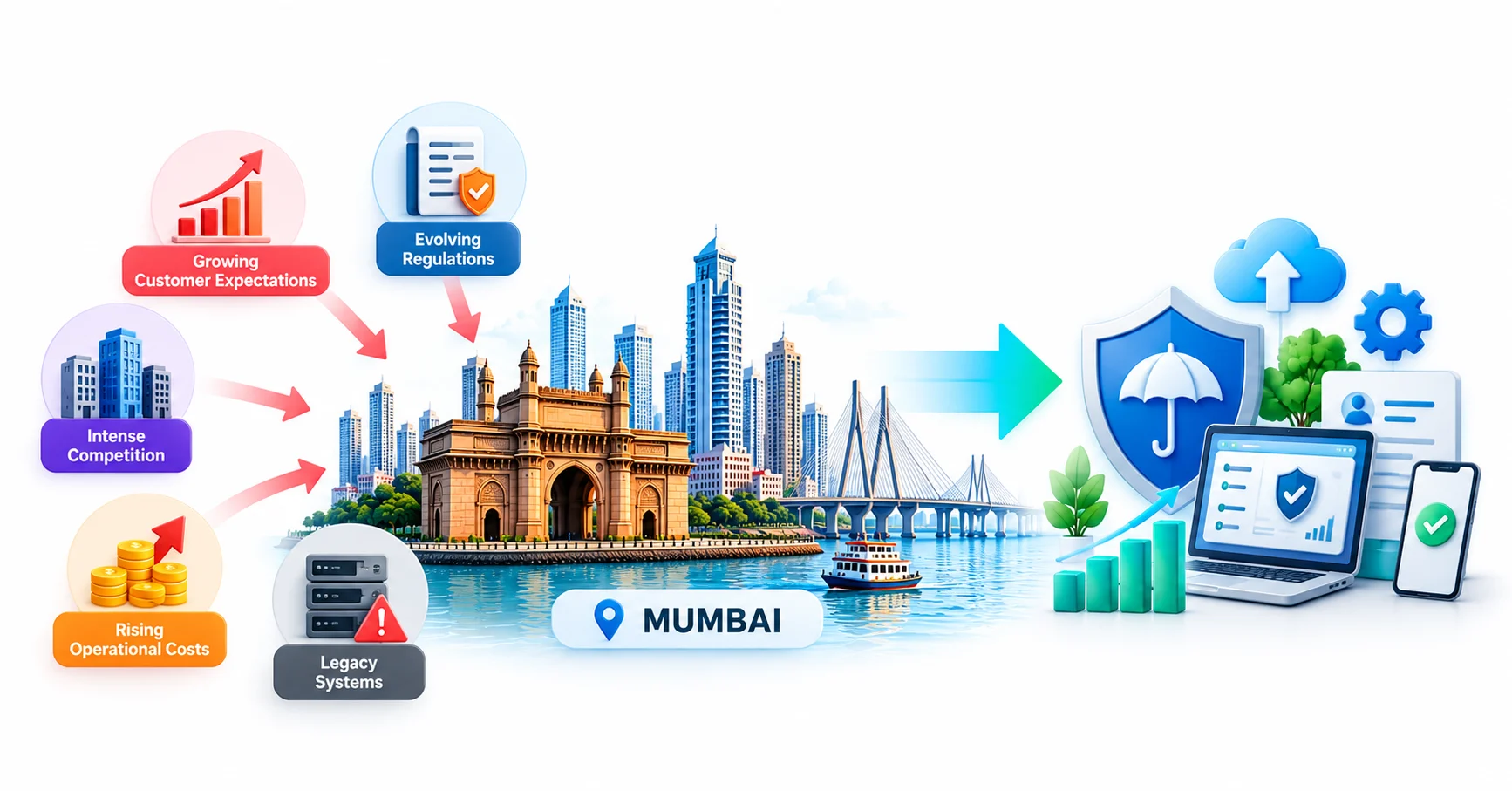
Mumbai is where a large part of Indian insurance does its thinking. Many insurers, reinsurers, brokers, surveyors and the IT services firms that support them have headquarters or major offices in the city, so a technology shift here spreads quickly through the wider market.
The pressure is coming from several directions at once. India’s insurance regulator, IRDAI, has set out an “Insurance for All by 2047” vision and has pushed the sector toward digital onboarding, consent-based data sharing and common digital infrastructure, including the Bima Sugam marketplace plan. Customers, meanwhile, expect claim updates on WhatsApp rather than a phone call from a branch.
Older core systems struggle with this. Many were designed around batch processing and tightly coded products, so launching a new cover or changing a rating rule can mean weeks of developer effort. Distribution partners such as digital brokers and aggregators need clean interfaces that legacy systems were never meant to offer.
This is where a modern core platform earns its place. Products, rules and workflows are configured rather than rebuilt, and integration points are designed in from the start.
That said, replacing a core system is among the riskiest projects an insurer can take on. Industry analysts regularly point out that a large share of core replacement programs run over time or budget, and that data migration is underestimated almost every time. The insurers that benefit most tend to be those that treat the project as a business redesign, not only an IT upgrade.
How Guidewire Technology Changes Policy, Billing and Claims Work
Abstract benefits are easy to claim, so consider two hypothetical examples. Neither describes a real company.
Imagine a Mumbai manufacturer that adds a new warehouse to its fire policy three months into the term. In PolicyCenter, this becomes a policy change with an effective date. The premium is recalculated for the remaining period, and the underwriter can see exactly which version of the policy applied on any given day. BillingCenter then raises the additional invoice, and no one has to retype the figures.
That effective-dated structure also matters later. If a loss occurs, ClaimCenter checks which coverage was in force on the date of loss, not what the policy looks like today. For anyone who has seen a claim disputed over an endorsement date, this is the feature that justifies the whole design.
Now picture a heavy monsoon day, with hundreds of flooded cars reported within hours. ClaimCenter can score each claim by severity, route simple ones toward fast-track handling, assign surveyors to complex ones, and track reserves as estimates change. Rules can flag unusual patterns for fraud review before payment goes out.
None of this removes the need for skilled adjusters. It removes the clerical work around them, so their time goes to judgment calls rather than chasing documents.
For insurers, the practical outcomes are shorter handling times, fewer manual touchpoints and cleaner data for pricing teams. Those gains depend heavily on how well the implementation team models products and workflows, a point that comes up again when the discussion turns to people and skills.
Guidewire Cloud and the Shift Toward Continuous Releases
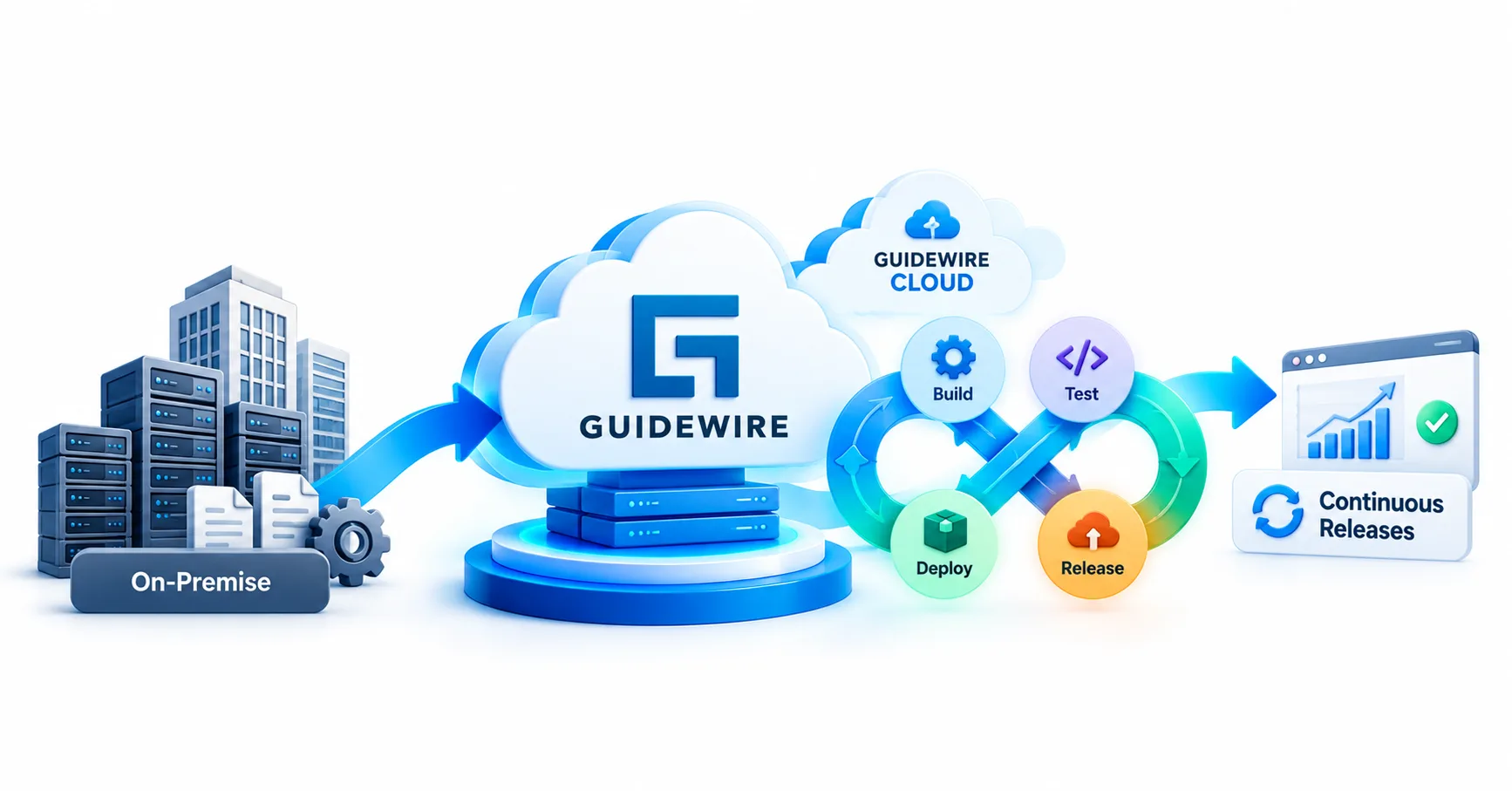
Guidewire now delivers InsuranceSuite mainly as a cloud subscription on the Guidewire Cloud Platform, which runs on Amazon Web Services. Self-managed installations have existed historically, but the company’s newer capabilities are designed for its cloud environment.
The important change is the release rhythm. Instead of one huge upgrade every few years, cloud customers receive releases several times a year. In theory, the insurer stays current without the painful version jumps that older on-premise projects were known for.
In practice, this rhythm demands discipline. Heavy customization makes every release harder to absorb, so teams are pushed toward configuring the product as designed and keeping custom code to a minimum. Automated testing stops being optional, because each release needs regression checks across policy, billing and claims flows.
For Mumbai insurers, three questions deserve early attention:
Where will data be hosted, and does that satisfy Indian regulatory and outsourcing expectations? Compliance teams and legal counsel should confirm this, not the vendor’s brochure.
How will the core system connect to banks, payment gateways, surveyors, reinsurers and other external parties?
Who will own release readiness once the implementation partner leaves?
The third question is the one projects most often forget. A cloud platform reduces infrastructure work, but it does not remove the need for an internal team that understands the product well enough to plan for each release.
Integration deserves special mention. Guidewire exposes web services and messaging so other systems can exchange data with it, and most real projects spend more effort on these connections than newcomers expect.
The Skills Mumbai Insurers and IT Firms Look For
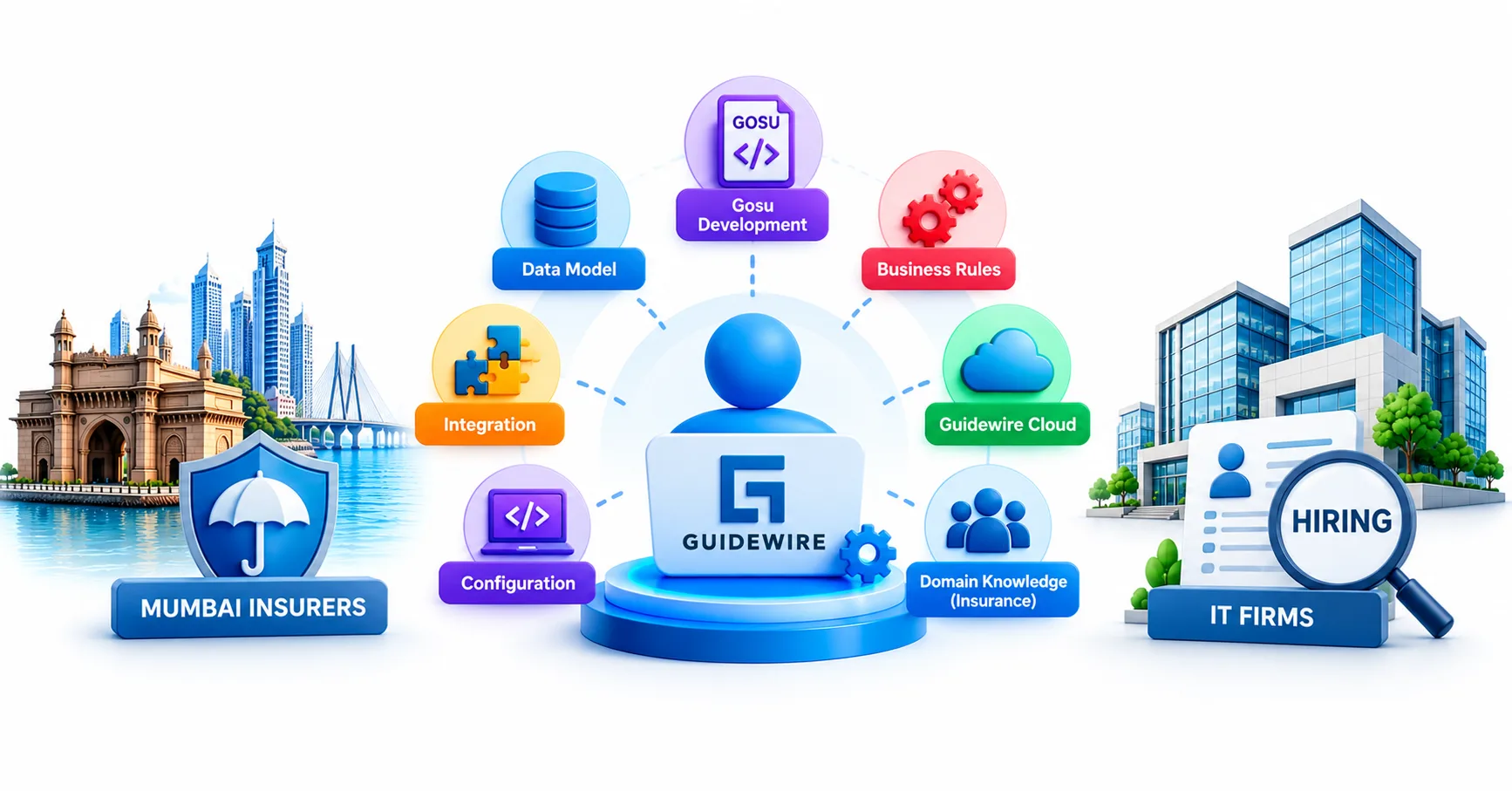
Every platform this large creates work, and Guidewire projects need several kinds of people. Developers write business logic in Gosu, Guidewire’s programming language, and configure screens and the data model. Integration specialists build the connections to external systems. Business analysts translate how an insurer actually works into requirements, and QA testers prove that policy, billing and claims flows behave correctly across releases.
A beginner often assumes this is a coding-only field. It is not. Business analysis and testing roles reward people who understand insurance concepts such as premiums, endorsements, deductibles, first notice of loss and reserves, and some of these roles need little or no programming.
Developers, on the other hand, need a solid grounding in Java-style programming, object-oriented thinking, SQL and the Guidewire data model. Learning Gosu syntax alone is rarely enough, because most project problems come from misunderstanding how entities, typelists and effective dating fit together.
Hiring managers also tend to value project-style exposure over certificates. Someone who has traced a policy change through billing and claims, even in a training environment, can talk about real situations in an interview.
Learners comparing options for Guidewire training in Mumbai should check whether a course teaches insurance fundamentals alongside tools, offers hands-on practice across all three core applications, and prepares people for the role they actually want. Choosing a path first, whether developer, integration, analyst or tester, makes the learning far more focused than trying to cover everything at once.
Common Mistakes and Realistic Expectations
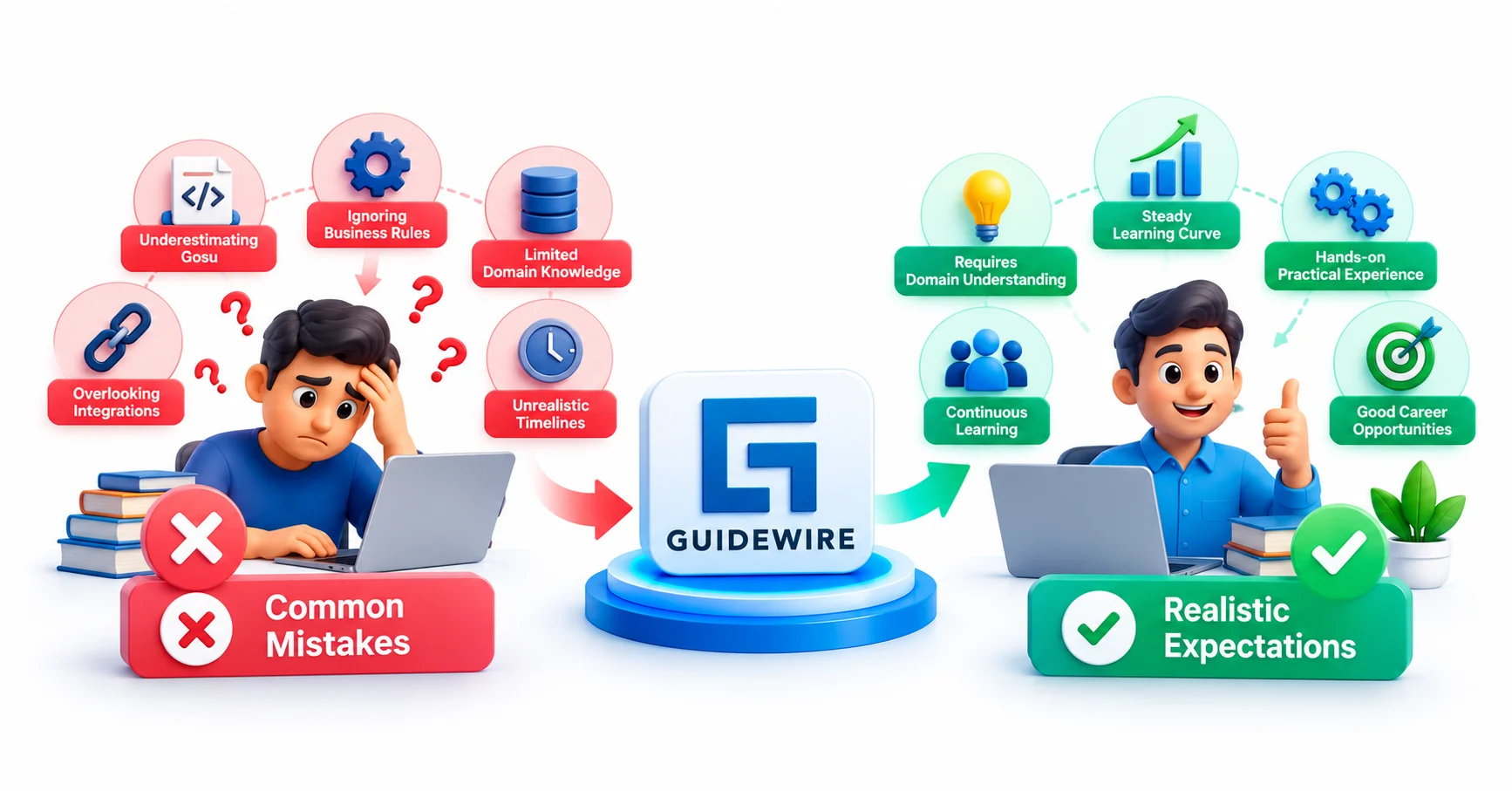
Guidewire technology is powerful, but it does not fix a poorly designed business on its own. Insurers sometimes expect a new platform to improve everything automatically, then discover that unclear products and inconsistent processes simply move into the new system.
Several patterns show up again and again:
Over-customizing the product, which makes releases slow and expensive to absorb
Underestimating data migration, especially for policies with long histories
Skipping automated testing until late in the project
Treating the project as an IT task without active involvement from underwriting and claims teams
Learners make their own mistakes. Some memorize screens without understanding the insurance logic behind them. Others chase certification while ignoring practice, then struggle when an interviewer asks how a mid-term change affects billing.
Expectations about careers deserve honesty too. Demand for Guidewire skills follows large insurer programs, which move in cycles, and entry-level openings are usually competitive. Strong fundamentals, patience and visible practice work matter more than any promise of fast placement.
Insurers and learners alike do best when they approach the platform as a long-term capability rather than a quick fix. That mindset, more than any specific tool, is what separates smooth implementations and sustainable careers from disappointing ones.
Conclusion
Guidewire technology gives Mumbai’s insurers a shared foundation for policies, billing and claims, and it gives professionals a clear path into a specialized field. Its value, however, depends on careful implementation and people who understand insurance as well as software. For learners, JastTech’s Mumbai course page is one place to see how training maps to real project roles. The insurers that treat their core system as a living capability will keep pace as the sector changes.