

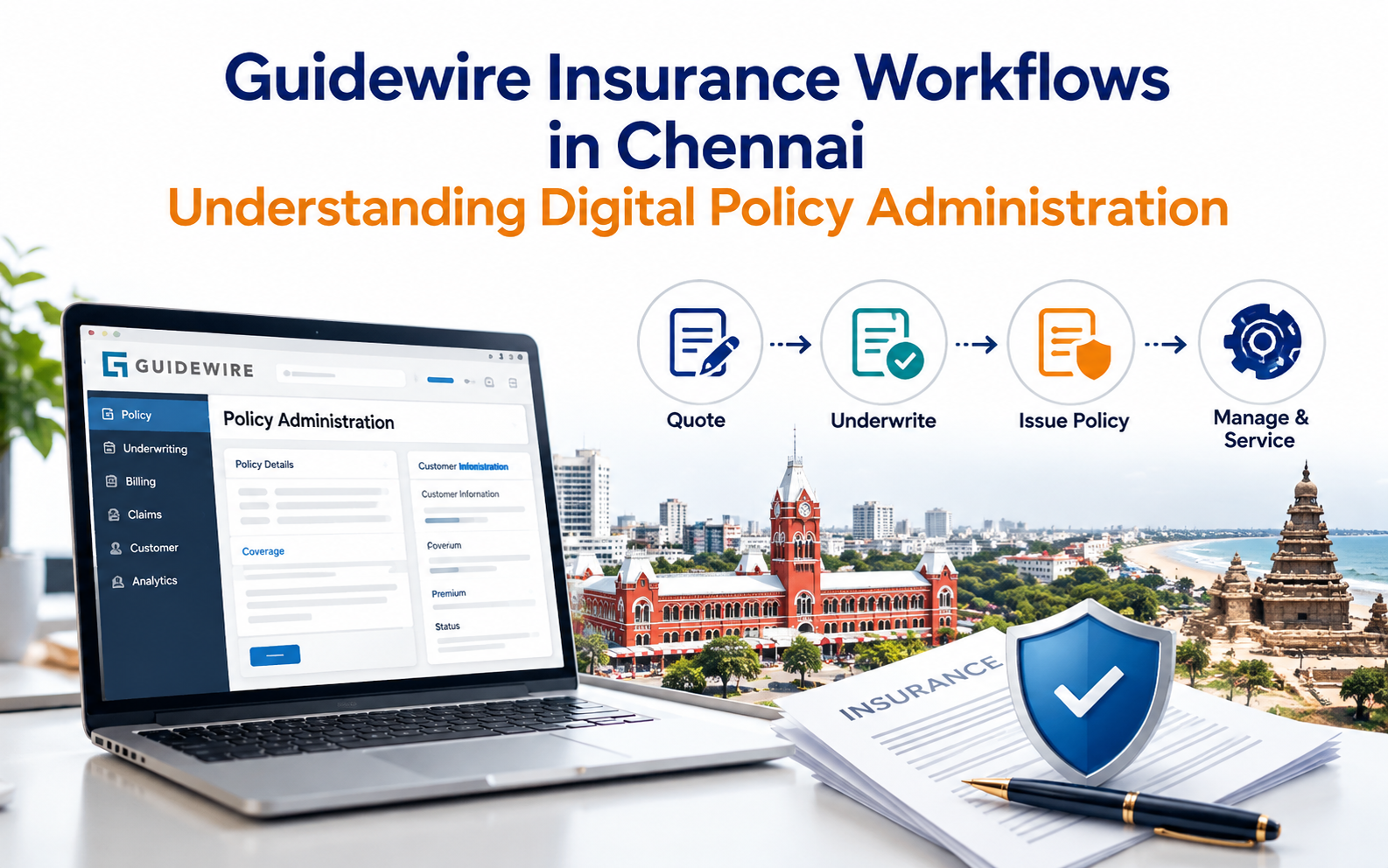
Guidewire Insurance Workflows in Chennai Understanding Digital Policy Administration
Navigate through this article using the table of contents below
Table of Contents
No headings found in this article.
The insurance sector in Chennai is undergoing a massive digital transformation, moving away from legacy paperwork to agile, automated, and cloud-enabled operations. Insurance carriers across the metropolitan hub are increasingly adopting advanced enterprise platforms to streamline daily processing, enhance customer satisfaction, and accelerate time-to-market for new policies. Insurance workflows dictate how a policy moves from initial submission and underwriting to binding and eventual renewal, making workflow efficiency a vital metric for modern enterprises. By leveraging centralized platforms like Guidewire, carriers eliminate data silos, reduce manual intervention, and ensure seamless communication across underwriting, billing, and claims departments.
Navigating this technological shift requires specialized expertise, making structured professional education essential for modern IT and insurance professionals looking to advance their careers. Aspiring enterprise software specialists can accelerate their career growth through specialized programs such as Guidewire Training in India, which delivers deep technical mastery over core insurance configuration, integration frameworks, and enterprise deployment methodologies. In parallel, understanding these intricate digital workflows enables business analysts, system administrators, and insurance executives to design robust operational frameworks that meet stringent regulatory compliance standards while delivering exceptional digital experiences to policyholders.
Evolution of Policy Administration Systems in Chennai
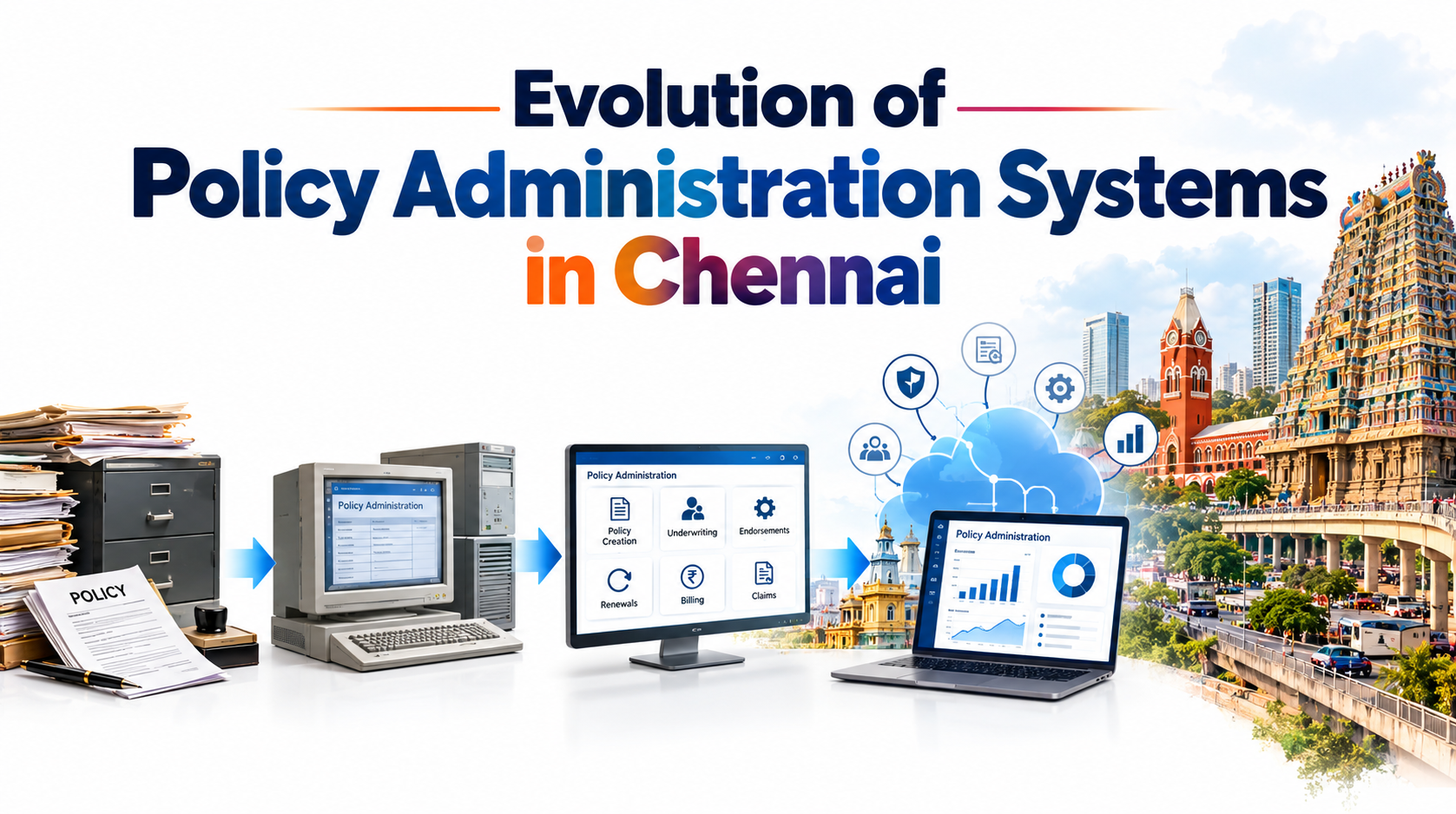
Insurance carriers in Chennai have historically relied on fragmented legacy infrastructure, which frequently created operational bottlenecks and slowed down policy issuance timelines. Modern policy administration systems have replaced these outdated architectures with unified platforms designed to handle complex insurance lifecycles efficiently. These contemporary platforms centralize policy data, allowing underwriters and customer service representatives to access real-time information instantly across multiple branch locations.
The transition toward digital policy administration also empowers insurers to integrate external data sources, credit scoring models, and automated rating engines directly into their daily operations. By modernizing their core systems, Chennai-based insurance providers can significantly reduce administrative overhead, minimize human errors during data entry, and improve overall data integrity throughout the entire policy lifecycle.
Core Modules of Guidewire in Insurance Operations
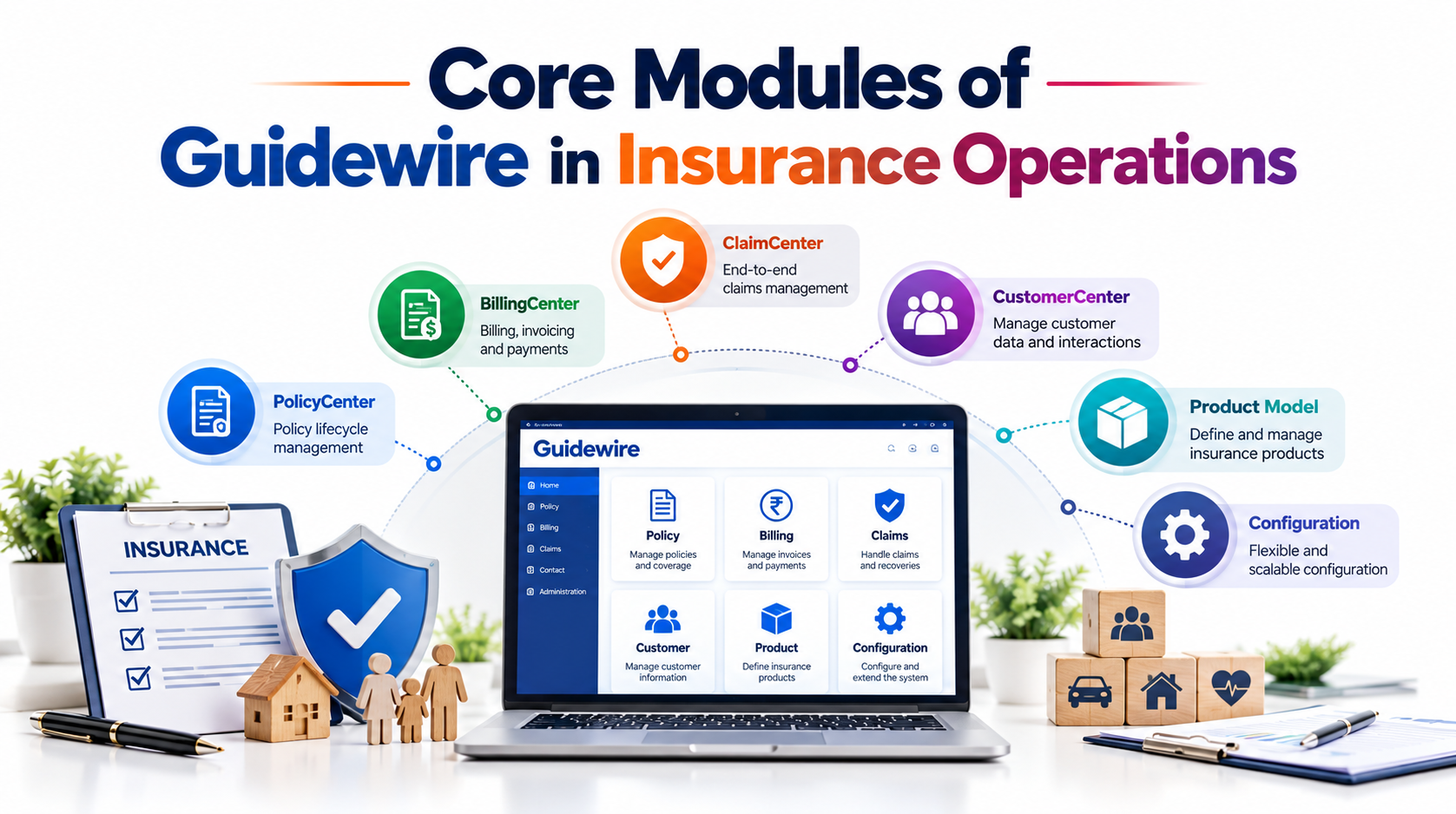
Guidewire serves as the foundational technology backbone for numerous tier-one and tier-two property and casualty insurers operating within Chennai and across global markets. The platform is structured around specialized core modules designed to handle distinct operational pillars, ensuring high performance across underwriting, billing, and claims processing functions. Each module operates seamlessly with the others, creating a cohesive ecosystem that eliminates redundant data entry and accelerates cross-departmental collaboration.
Professionals aiming to master these core functional domains benefit greatly from specialized instruction tailored to business analysis and system configuration. Comprehensive learning paths like the Guidewire Business Analyst Training provide crucial insights into requirement gathering, functional design, and workflow mapping specific to policy administration modules. Mastering these core competencies enables business analysts to bridge the gap between technical development teams and insurance stakeholders effectively.
Streamlining Underwriting Workflows Through Automation
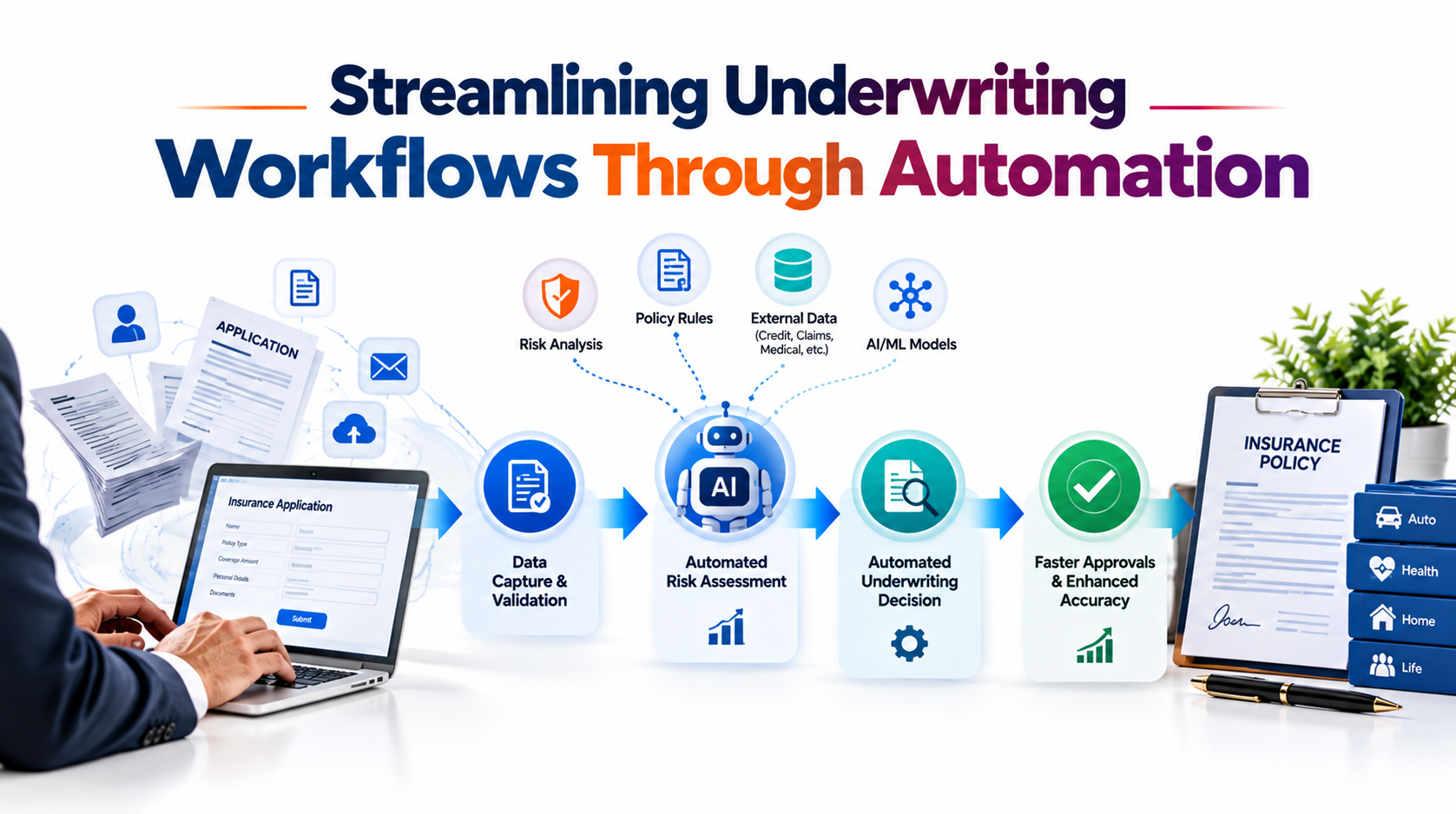
Underwriting workflows represent the critical first line of defense and risk evaluation for insurance carriers issuing commercial and personal lines of coverage. Traditional underwriting processes often involve manual document verification, protracted back-and-forth communication, and delayed risk assessment cycles. Modern digital workflows automate routine submission triage, allowing low-risk policies to pass through straight-through processing without manual intervention.
Automated underwriting rules embedded within modern policy administration suites instantly evaluate applicant data against predefined carrier risk appetites and regulatory guidelines. This rapid assessment capability enables insurers in Chennai to quote, bind, and issue policies within minutes rather than days, capturing market share through superior responsiveness and operational agility.
Enhancing Customer Experience and Policyholder Portals
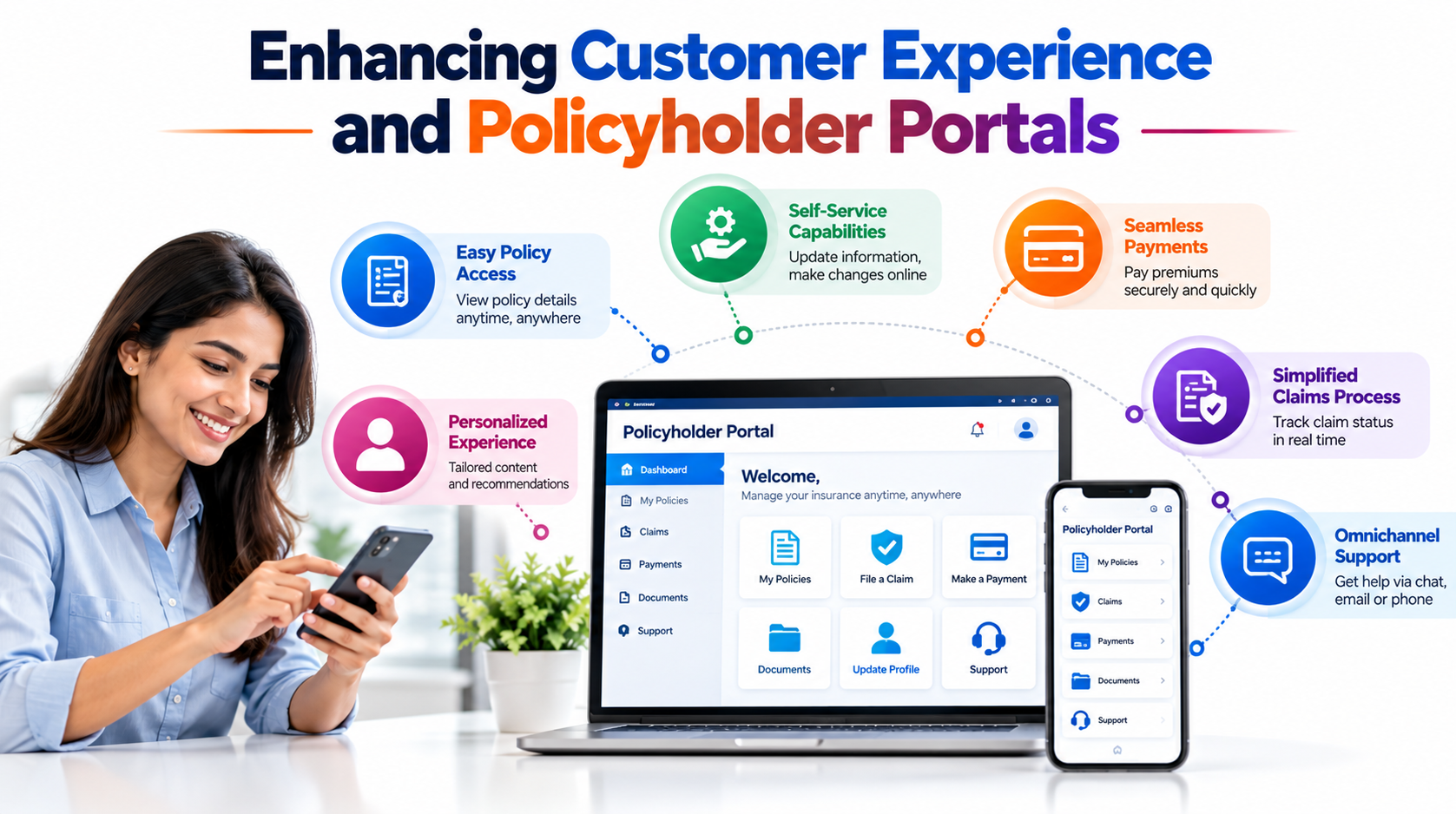
Policyholder expectations have evolved dramatically, driven by consumer-grade digital experiences across banking, retail, and e-commerce sectors. Modern insurance workflows must extend beyond internal back-office efficiencies to deliver intuitive self-service portals and mobile applications for policyholders. These digital touchpoints empower customers to initiate policy changes, download proof of insurance, review billing schedules, and report endorsement requests instantly without contacting customer support centers.
Integrating customer-facing portals directly with backend policy administration engines ensures that any update made by a policyholder reflects immediately across all operational records. This real-time synchronization prevents discrepancies, enhances transparency, and fosters long-term customer loyalty in a highly competitive insurance marketplace.
Integration Strategies for Seamless Data Management
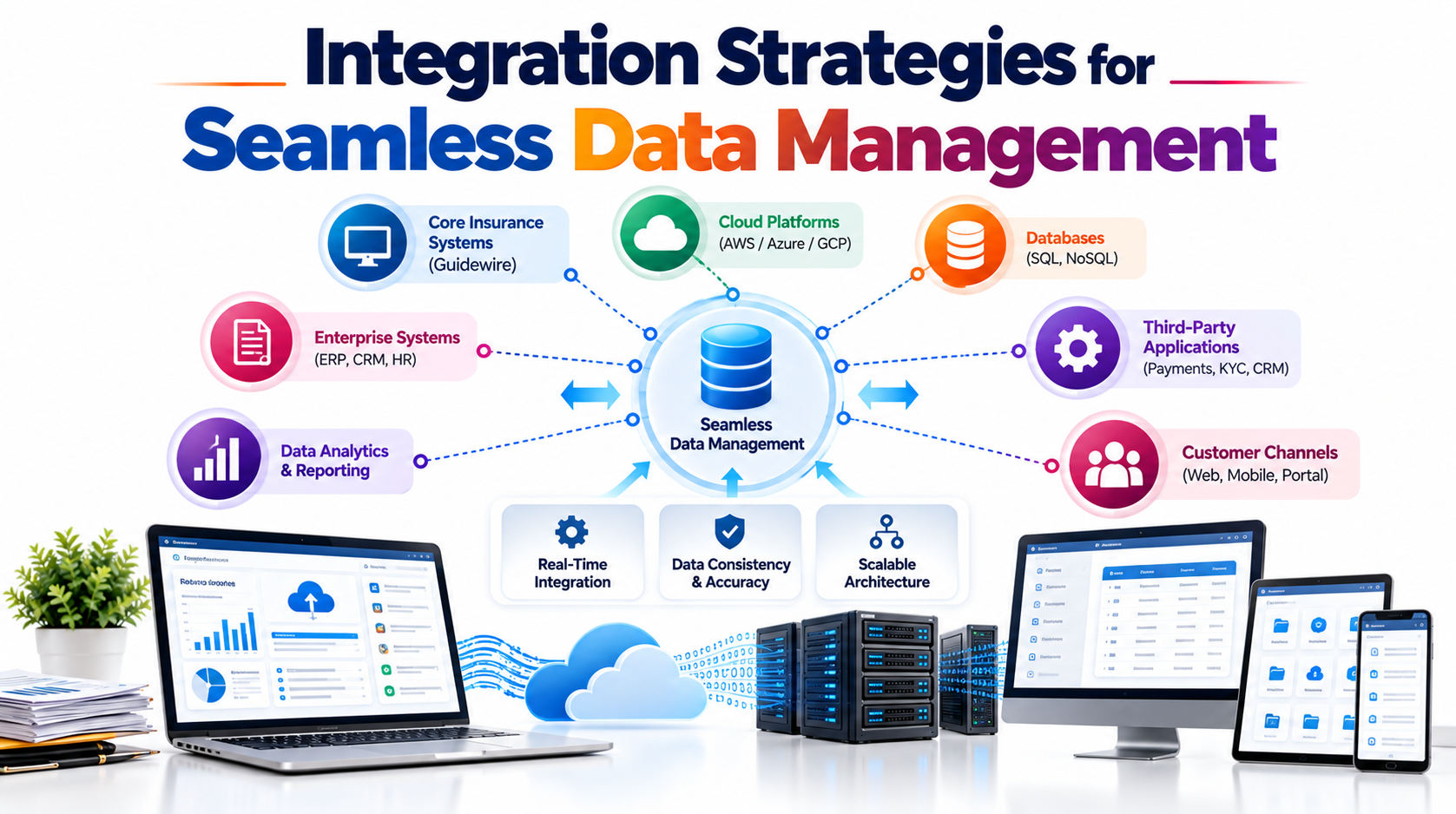
Enterprise insurance ecosystems rarely operate in a vacuum; they must communicate constantly with third-party data providers, payment gateways, and legacy accounting systems. Effective integration strategies utilize robust application programming interfaces and enterprise service buses to orchestrate data flow securely across disparate software environments. This interoperability ensures that policy administration data remains accurate, auditable, and accessible to authorized personnel across the organization.
Establishing secure and reliable integration pipelines prevents data silos from forming between policy administration, claims management, and billing modules. Insurance IT teams focus heavily on maintaining high availability and low latency during data exchanges, ensuring uninterrupted service delivery for both internal staff and external policyholders.
Regulatory Compliance and Security in Digital Administration
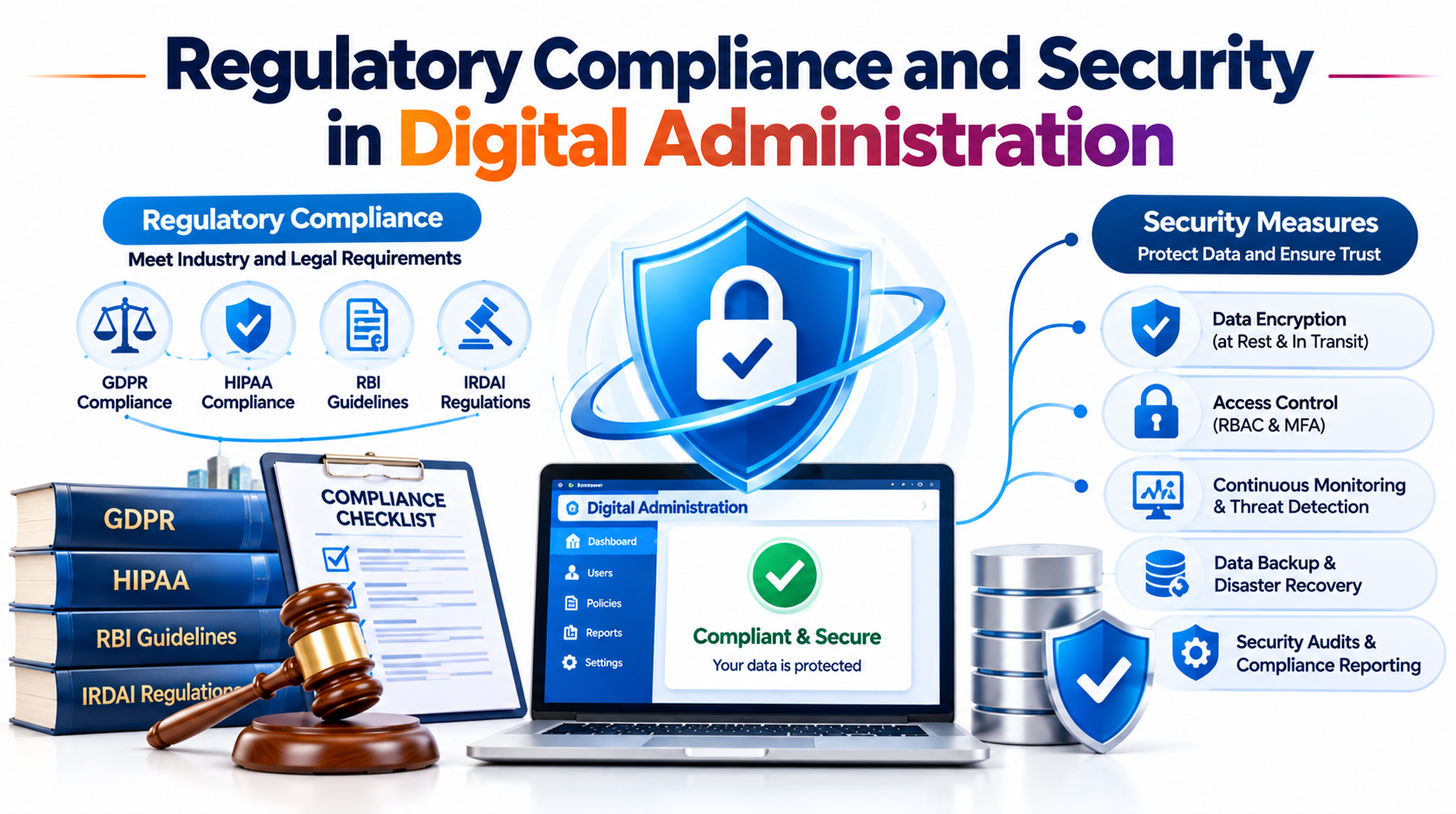
Insurance is a heavily regulated financial service industry, requiring strict adherence to local statutory guidelines, data protection laws, and financial reporting standards. Digital policy administration platforms incorporate robust security controls, role-based access permissions, and immutable audit trails to ensure complete compliance. These built-in safeguards protect sensitive policyholder Personally Identifiable Information against unauthorized access and cyber threats.
Automated compliance checks integrated directly into policy workflows verify that every issued contract meets statutory mandates before binding occurs. This proactive approach mitigates legal risks, avoids costly regulatory penalties, and instills profound trust among policyholders regarding data privacy and administrative integrity.
Future Trends in Insurance Technology and Operations
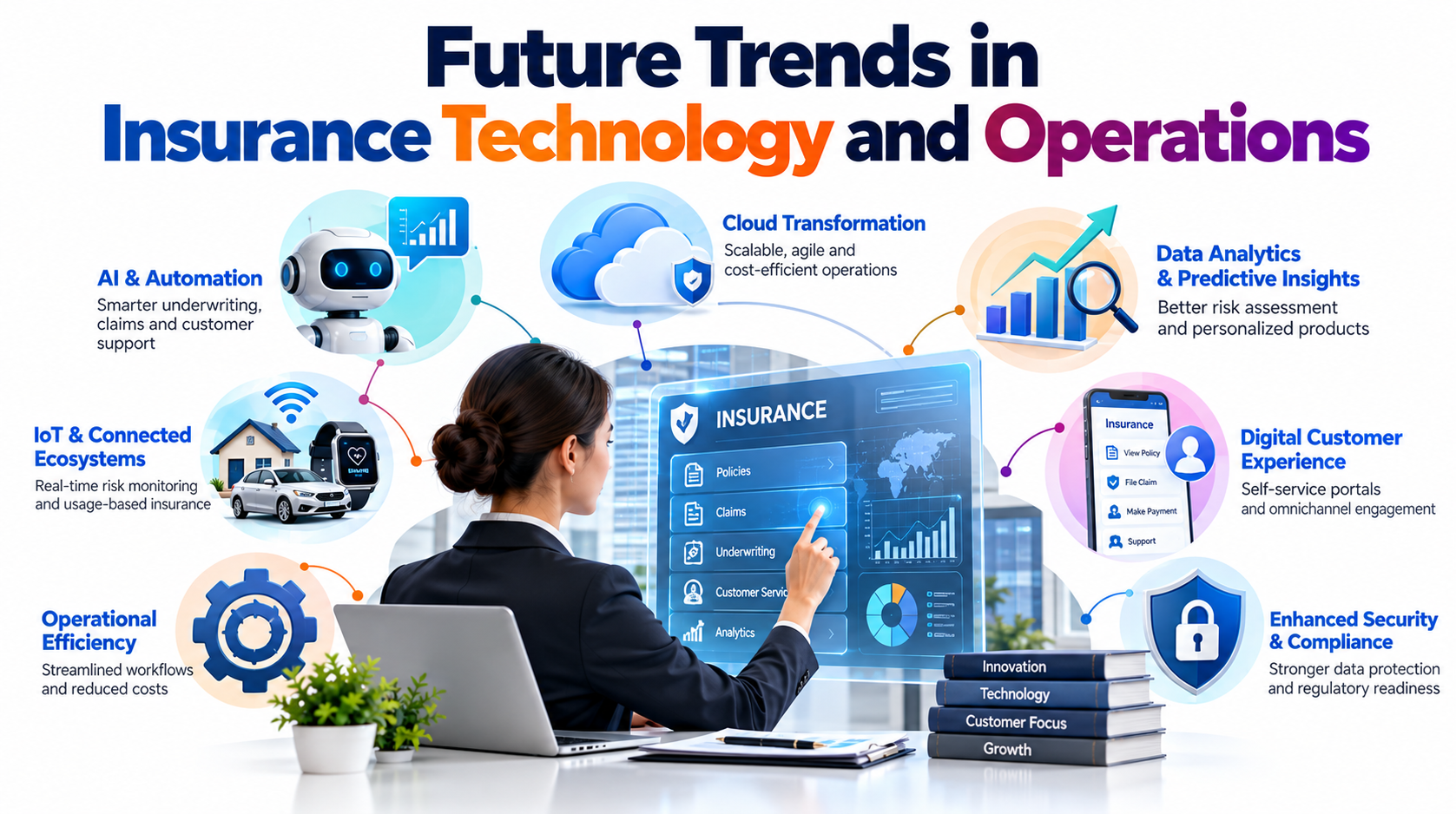
The future of insurance administration in Chennai points toward deeper integration of artificial intelligence, machine learning, and predictive analytics into daily operations. Emerging technologies are beginning to automate complex risk modeling, detect fraudulent policy submissions instantly, and personalize insurance product offerings based on real-time behavioral data. Insurers adopting these advanced capabilities position themselves to lead the market through superior efficiency and innovation.
As cloud adoption accelerates across the insurance sector, administration platforms will leverage serverless architectures and elastic scaling to handle peak renewal seasons effortlessly. Professionals equipped with modern core system expertise will continue to drive this digital evolution, ensuring that insurance enterprises remain resilient, competitive, and customer-centric in an ever-changing technological landscape.
Conclusion
The adoption of digital policy administration workflows represents a critical milestone for insurance carriers operating in Chennai seeking sustainable growth and operational excellence. By replacing legacy bottlenecks with unified platforms, insurers can achieve unprecedented speed, accuracy, and customer satisfaction across every phase of the policy lifecycle. Embracing these advanced technological frameworks, supported by specialized professional expertise and continuous skill development, ensures that insurance organizations remain resilient and competitive in an increasingly digital global economy.