

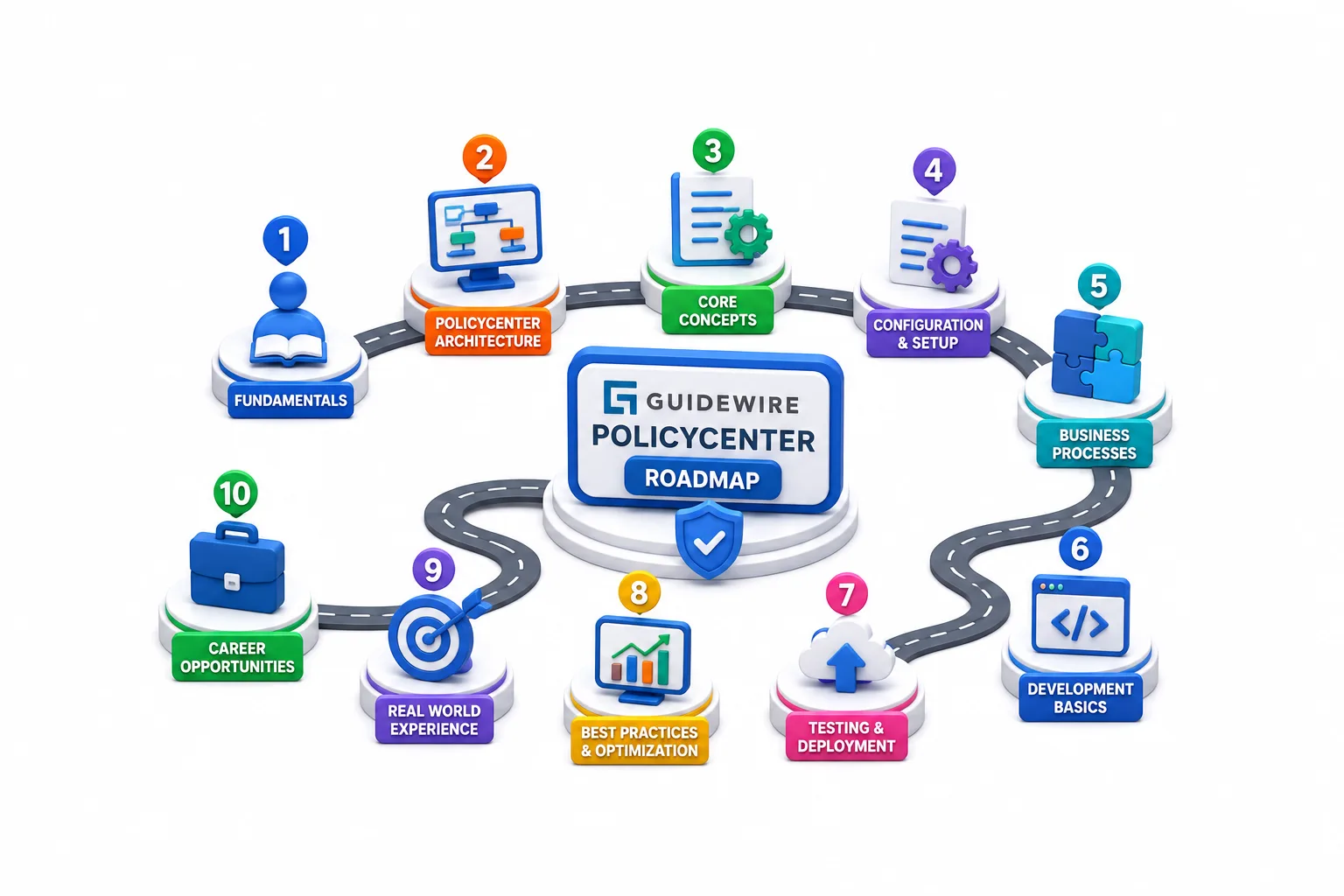
Guidewire PolicyCenter Roadmap for Beginners: Complete Guide to Learning PolicyCenter Step by Step
Navigate through this article using the table of contents below
Table of Contents
No headings found in this article.
Somewhere in a claims office right now, a policy is being rated, bound, and issued in seconds — and most people have no idea what's running underneath it. That system is Guidewire PolicyCenter, and it quietly powers underwriting for some of the world's largest insurers.
If you're plotting a Guidewire PolicyCenter roadmap for beginners, you're not just learning software. You're stepping into one of insurance tech's most in-demand skill sets, and the path there is more structured than most people assume.
Why Insurers Trust PolicyCenter With Their Core Business
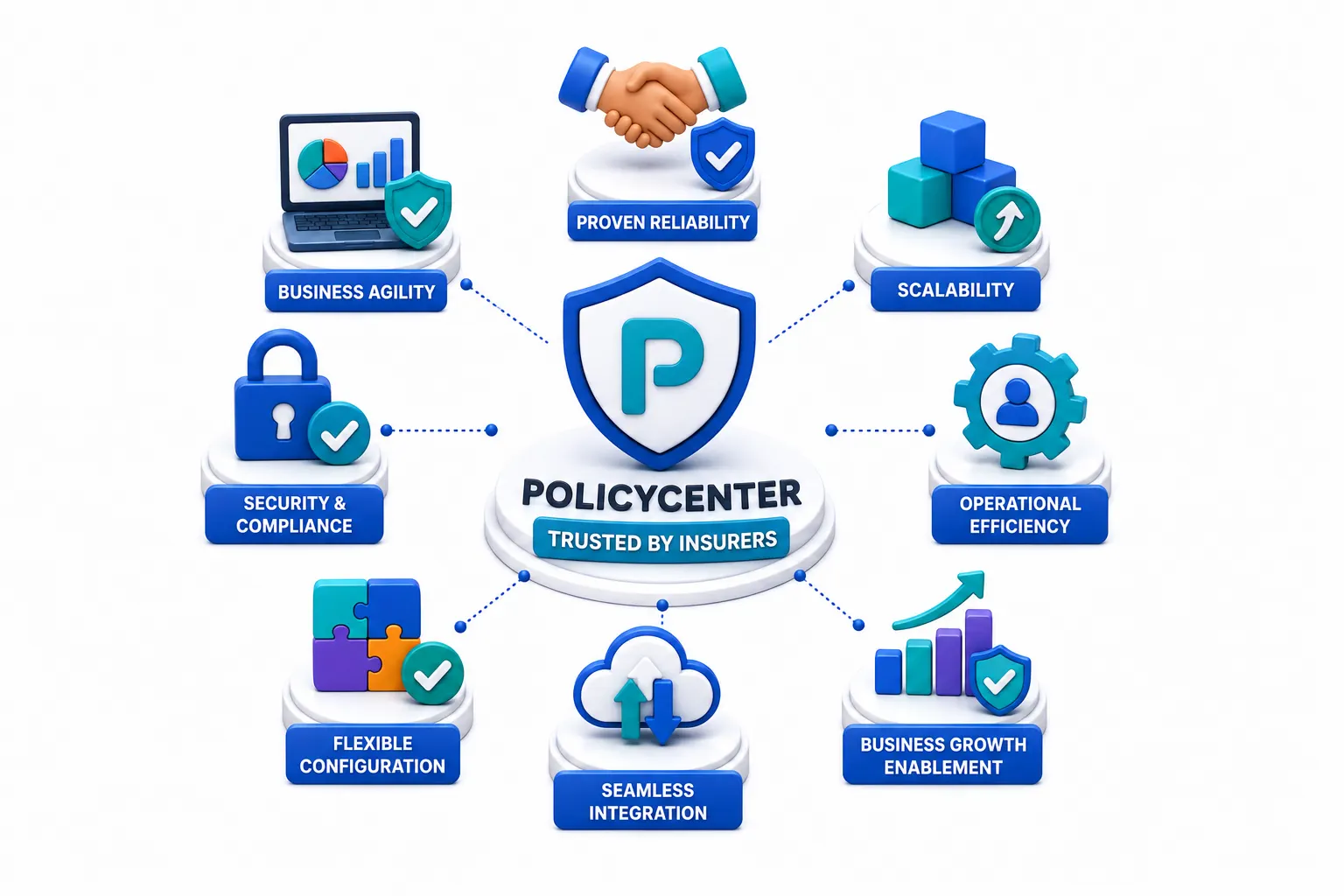
Insurance companies depend on reliable policy administration systems. Rating, underwriting, and policy issuance directly affect revenue, and even a small mistake can lead to compliance issues or costly operational delays.
Guidewire PolicyCenter addresses these challenges by managing the entire policy lifecycle, from quoting and binding to renewals, cancellations, and endorsements. Its configurable architecture allows insurers to adapt rating algorithms, underwriting rules, and insurance products without rebuilding their systems from scratch.
This flexibility also creates opportunities for developers who understand how insurance applications work. Companies migrating from legacy systems need professionals who can configure PolicyCenter, implement business rules, and manage complex insurance workflows.
Think of traditional insurance software as a restaurant with a fixed menu. PolicyCenter is more like a customizable kitchen, where insurers can introduce new products, accommodate regulatory changes, and adjust business processes as their needs evolve.
For beginners, understanding these capabilities is an important first step. JastTech's Guidewire training in Chennai offers classroom and live online sessions covering PolicyCenter, ClaimCenter, BillingCenter, and Gosu programming. Through practical exercises and insurance-focused projects, learners can develop the technical skills needed to understand and work with modern insurance applications.
Where PolicyCenter Sits Inside the Guidewire Ecosystem
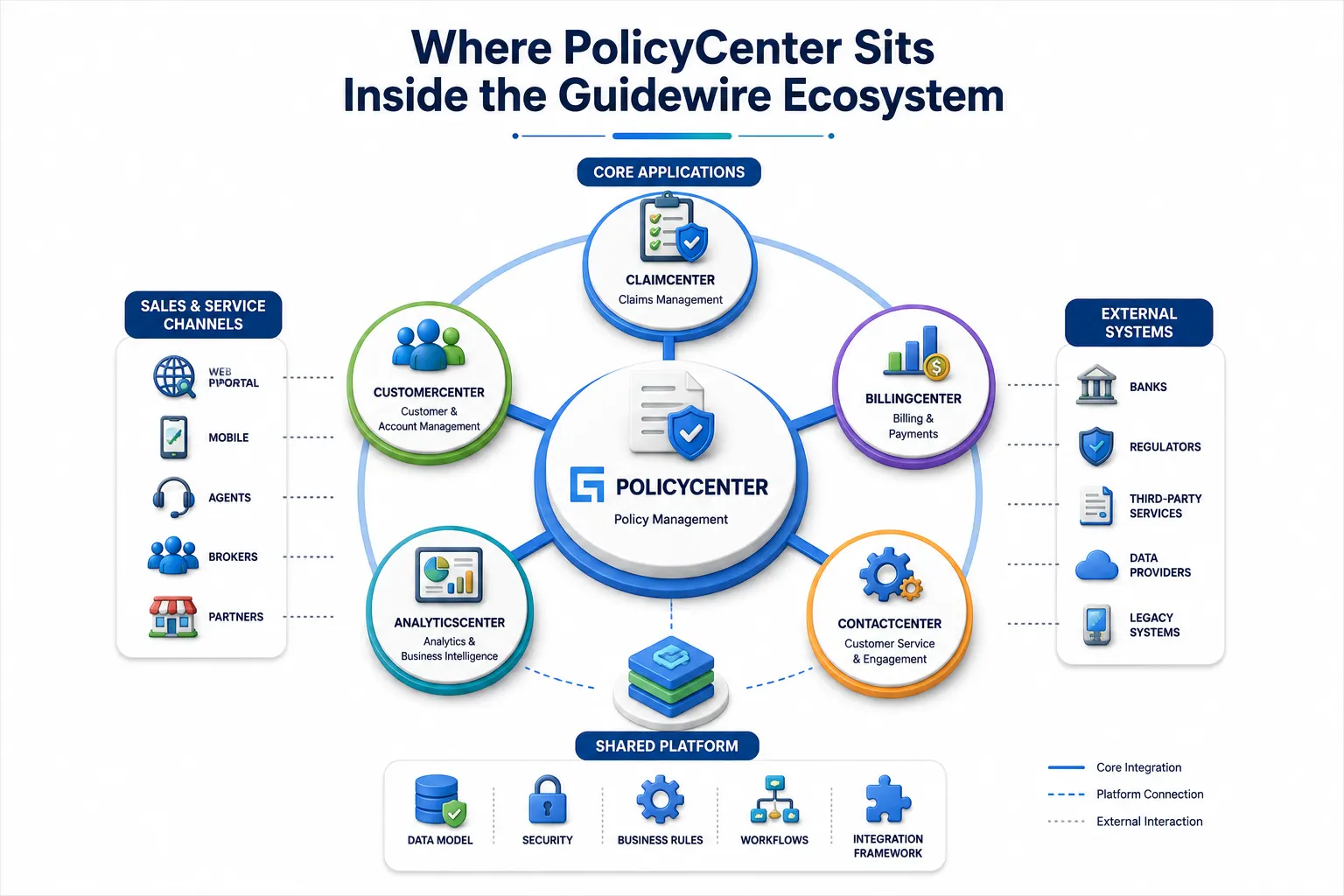
PolicyCenter rarely operates alone. It's one piece of Guidewire InsuranceSuite, working alongside ClaimCenter and BillingCenter to cover policy issuance, claims handling, and billing respectively.
Understanding this relationship early saves beginners from a common trap: studying PolicyCenter in isolation. In real implementations, a policy created in PolicyCenter feeds data into BillingCenter for invoicing and into ClaimCenter the moment a claim is filed. These systems talk constantly through integration points and shared data models.
That's why experienced Guidewire professionals rarely specialize in just one center for long. Configuration decisions in PolicyCenter — how a product is structured, how rating works — directly shape what BillingCenter and ClaimCenter can do downstream.
A practical example: if underwriting rules in PolicyCenter allow a policy change mid-term, BillingCenter needs matching logic to recalculate premiums correctly. Miss that connection during configuration, and billing errors show up months later.
So when you're mapping out how to learn PolicyCenter, keep the bigger Guidewire InsuranceSuite ecosystem in view. You don't need to master ClaimCenter or BillingCenter on day one, but understanding how the three applications work together will make PolicyCenter concepts much easier to understand. Beginners who want to build knowledge across the complete platform can follow a structured Guidewire Course in India program that covers PolicyCenter, ClaimCenter, BillingCenter, Gosu, and integration fundamentals.
The Foundation Skills That Make PolicyCenter Click
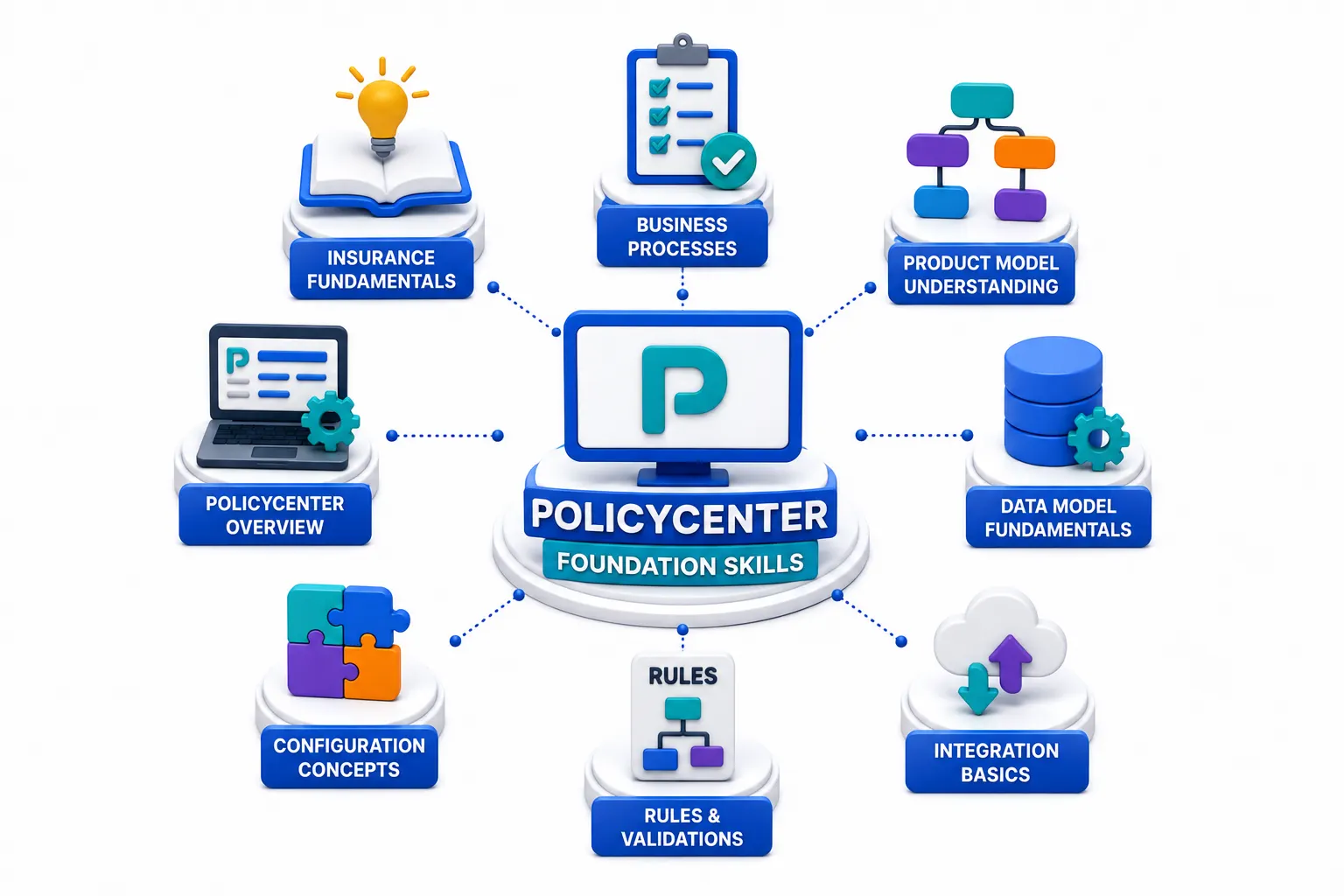
Jumping straight into PolicyCenter configuration without groundwork is where most beginners stall. Three foundations make the difference between confusion and confidence.
First, basic insurance knowledge. You don't need an underwriting degree, but understanding terms like premium, endorsement, renewal, and rating factors will save you from feeling lost in every training module.
Second, Gosu, Guidewire's proprietary programming language. It resembles Java closely enough that developers with Java experience pick it up quickly, but it has quirks worth learning deliberately rather than guessing at.
Third, data model literacy. PolicyCenter's architecture is built on entities, typelists, and PCF (Page Configuration Files) that define both business logic and user interface behavior together. Once you understand how these three pieces interact, configuration work stops feeling like memorization and starts feeling like logic.
Skipping any one of these creates gaps that resurface later. A configurator who understands Gosu but not insurance terminology will misinterpret business requirements. One who knows insurance but not the data model will struggle to translate ideas into working configuration.
Build these three in parallel, even briefly, before diving into deeper PolicyCenter modules.
A Step-by-Step Roadmap You Can Actually Follow
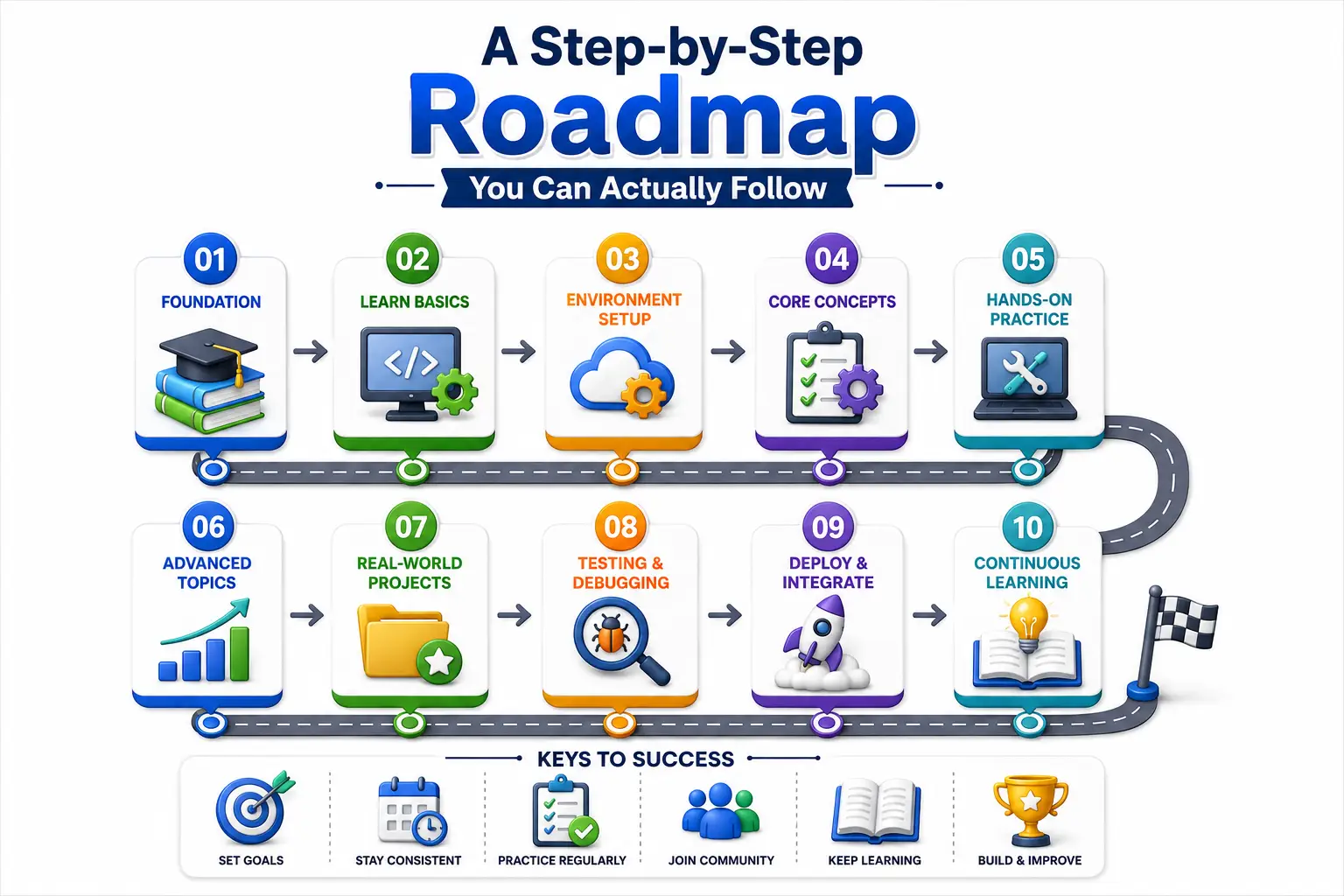
Here's where structure matters most. A scattered approach to Guidewire learning leads to shallow knowledge across many topics and depth in none.
A realistic beginner roadmap looks like this:
Weeks 1–2: Learn Gosu fundamentals and insurance domain basics simultaneously.
Weeks 3–5: Study PolicyCenter's data model, product model, and rating engine structure.
Weeks 6–8: Practice configuration — products, coverage, rules, and UI (PCF) changes in a sandbox environment.
Weeks 9–10: Explore integrations, business rules, and workflow automation.
Ongoing: Work through real scenarios that mirror how insurers actually implement PolicyCenter.
This sequencing isn't arbitrary. Each phase builds directly on the last, which is exactly how structured programs like the Guidewire PolicyCenter Fundamentals course are designed — moving learners from core concepts to hands-on configuration rather than dumping everything at once.
Rushing this order is the single biggest reason beginners plateau. Configuration without data model understanding leads to guesswork; data model theory without hands-on practice never sticks.
Mistakes That Slow Beginners Down (and How to Dodge Them)
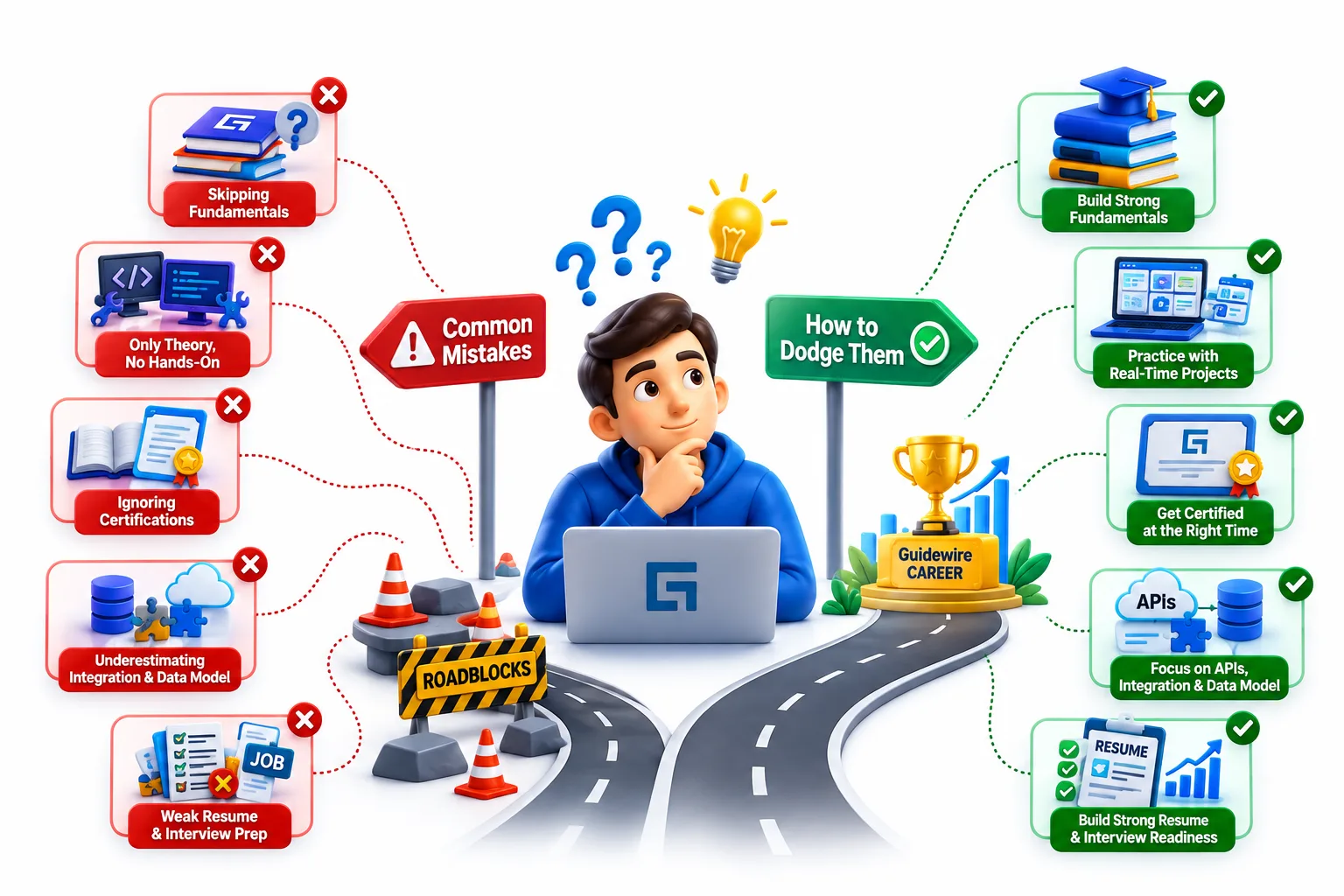
Every beginner hits friction somewhere, but a few mistakes show up repeatedly across PolicyCenter learners.
Treating Gosu like Java. The similarity is helpful, but Gosu has its own syntax rules and behaviors around enhancements and type systems. Assuming full overlap creates bugs that are hard to trace.
Ignoring the product model. Some beginners jump into UI customization before understanding how products, coverages, and rating work together. The interface makes far more sense once the underlying product structure is clear.
Skipping sandbox practice. Reading documentation builds vocabulary, not skill. Configuration knowledge only becomes real once you've broken something in a test environment and figured out why.
Learning PolicyCenter in a vacuum. As covered earlier, PolicyCenter doesn't operate alone inside InsuranceSuite. Studying it without any awareness of ClaimCenter or BillingCenter leaves blind spots that surface in real projects.
Underestimating business rules complexity. Underwriting and validation rules can get intricate fast, especially across multiple states or products with different regulatory requirements.
None of these mistakes are fatal — they're just detours. Recognizing them early keeps your learning curve shorter and your confidence intact.
Proving You Know PolicyCenter — Beyond Just Studying It
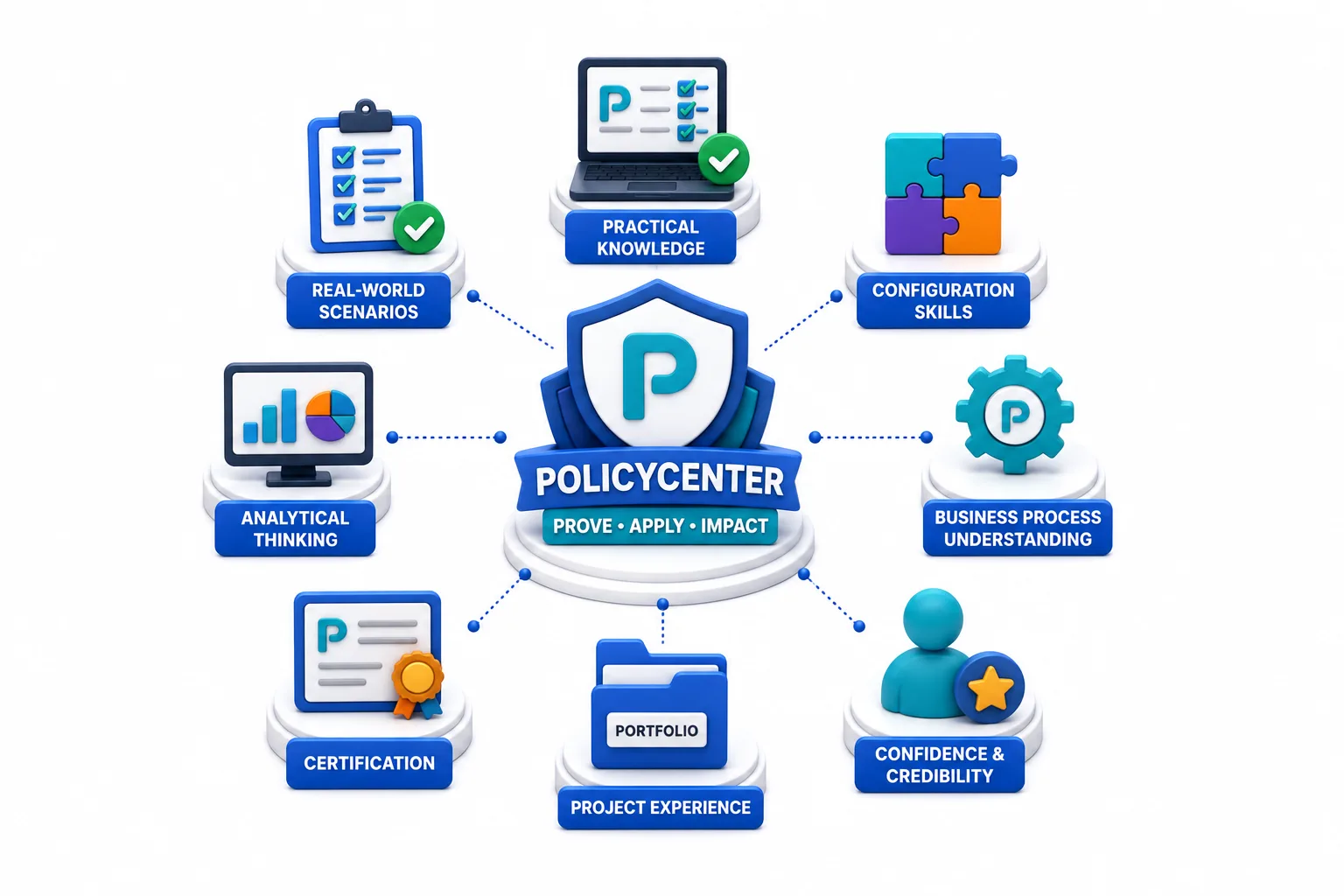
Knowledge only counts once you can demonstrate it, and that's the stage where many learners underprepare.
Certification is one route, and Guidewire offers role-based credentials for PolicyCenter, but certification alone rarely satisfies employers or clients. What matters more is being able to explain configuration decisions, troubleshoot rating issues, and speak confidently about real implementation scenarios.
Interview preparation deserves serious attention here. Hiring managers in this space ask pointed, scenario-based questions — not just definitions. Reviewing curated question sets, like this breakdown of top Guidewire PolicyCenter interview questions and answers, helps you understand not just what to know but how it's typically tested.
Building a small personal project also goes a long way — configuring a sample product line, writing basic business rules, or customizing a PCF screen. These artifacts give you concrete examples to discuss, which matters more in interviews than reciting textbook definitions.
Ultimately, the goal isn't just passing a certification exam. It's reaching a point where you can walk into a PolicyCenter conversation and contribute, not just listen.
Conclusion
Learning PolicyCenter rewards patience over speed. Follow a structured Guidewire PolicyCenter roadmap for beginners, build foundational skills before configuration, and practice relentlessly in a sandbox. Do that consistently, and PolicyCenter stops feeling like a maze — it starts feeling like a system you understand from the inside out.