

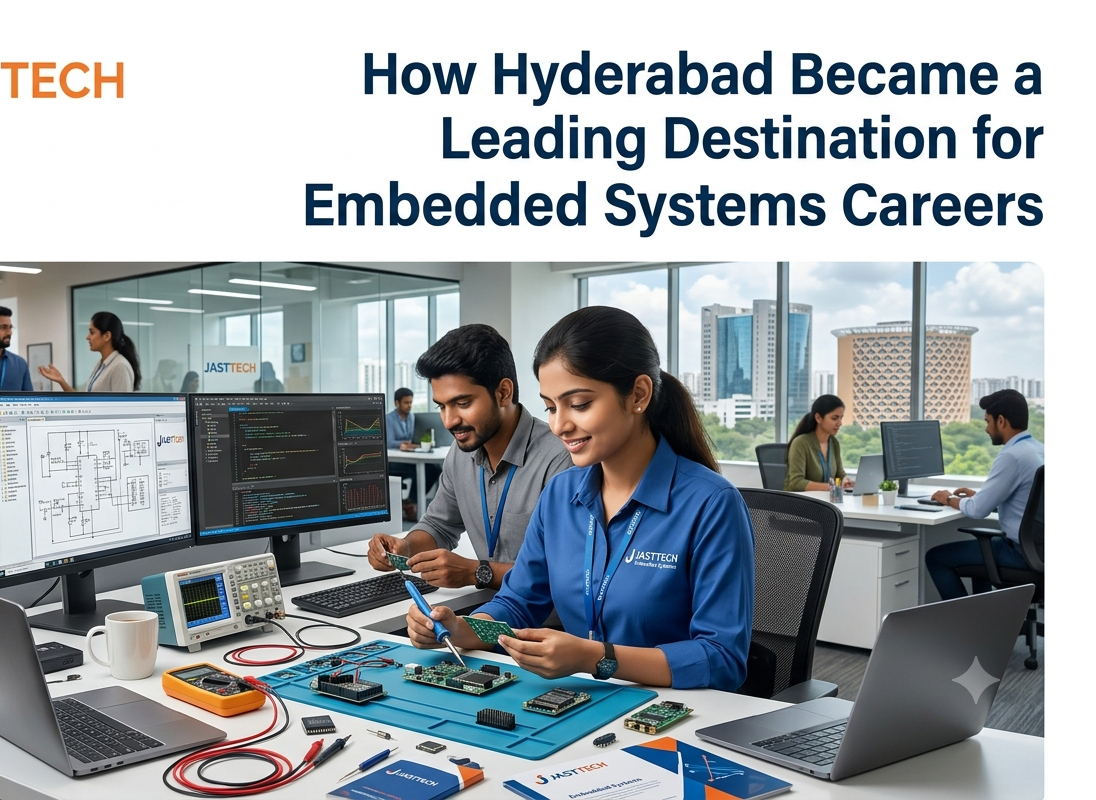
How Hyderabad Became a Leading Destination for Embedded Systems Careers
Navigate through this article using the table of contents below
Table of Contents
No headings found in this article.
Ten years ago, if you asked someone where to build a career in chips and hardware in India, Bangalore was the automatic answer. That assumption doesn't hold anymore. Somewhere between the rise of global capability centres, a state government obsessed with semiconductors, and a wave of automotive and defence contracts landing quietly in its industrial parks, Hyderabad turned into a city where hardware careers actually happen — not just software jobs with a hardware label attached.
This shift didn't happen by accident, and it didn't happen overnight either. It's the result of policy decisions, infrastructure bets, and a concentration of global engineering talent that most people outside the industry haven't fully caught up with yet. Layer in a manufacturing push, an aggressive incentive structure, and steady hiring from both global names and smaller product companies, and the picture starts to look less like a temporary trend and more like a durable shift. Here's what actually changed, and why the city now deserves the attention it's getting.
A Chip-Design Culture That Runs Deeper Than It Looks
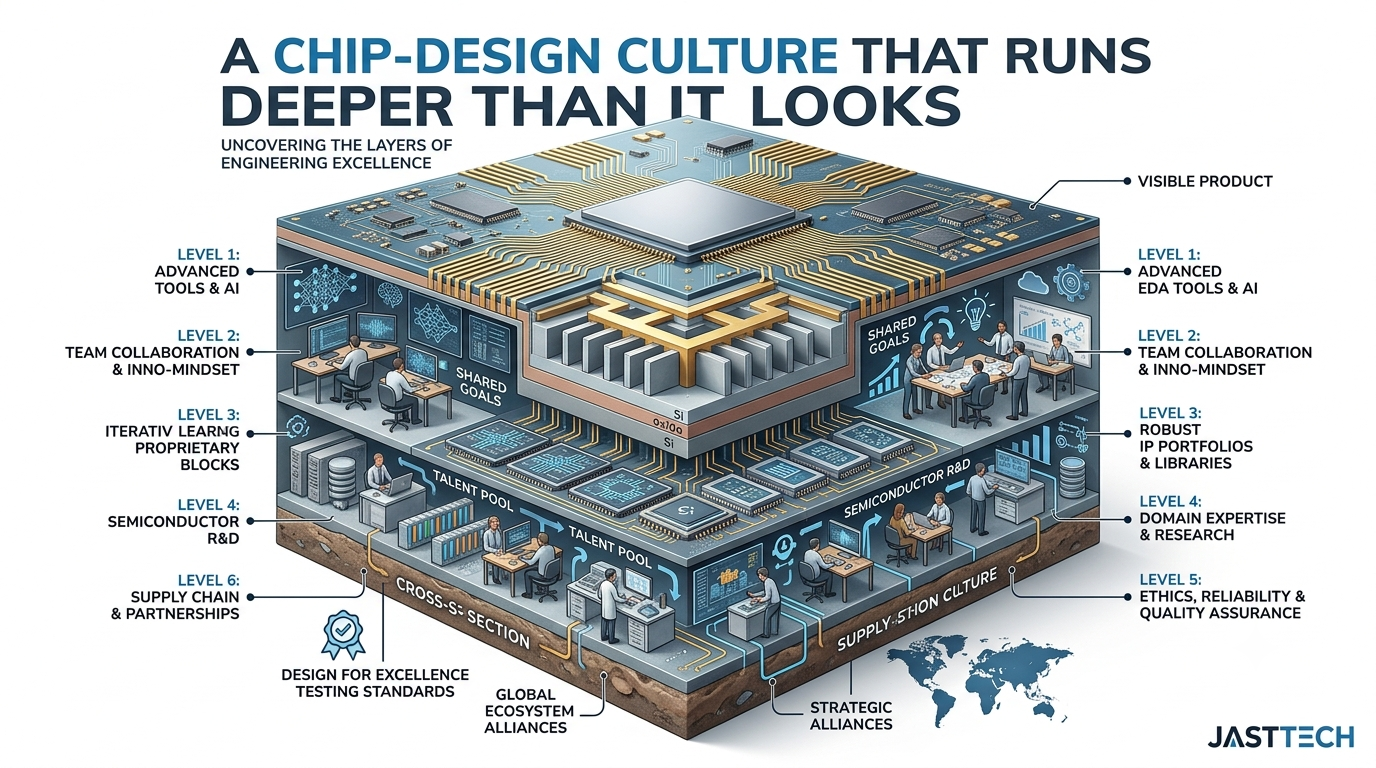
Hyderabad's reputation used to rest on IT services and back-office software work. That image is outdated. The city now hosts a dense cluster of global capability centres run by companies that design the actual silicon and firmware going into phones, cars, and industrial machines — not just the apps running on top of them. Qualcomm, AMD, Nvidia, Micron, Motorola, and Cypress all operate meaningful engineering operations here, and that list keeps expanding rather than shrinking.
What makes this different from a typical outsourcing hub is depth. These centres aren't handling peripheral tasks; they're running core chip design, driver development, and low-level firmware work that used to stay closer to headquarters. Telangana's own industry leadership has been vocal about this, pointing out that the state has built one of the country's strongest semiconductor design ecosystems, with thousands of engineers already working across chip design, embedded software, and advanced electronics. That density of specialised talent is exactly what tends to attract the next round of investment, because companies go where the workforce already exists rather than waiting for one to form.
There's also a compounding effect at play that's easy to miss. Once a handful of large firms establish serious engineering operations in a city, a supporting layer of smaller product companies, testing labs, and specialised consultancies tends to grow up around them, feeding off the same talent pool and often absorbing engineers who move on from the bigger names. That's roughly what's happened in Hyderabad over the past several years, and it's part of why the ecosystem now feels self-sustaining rather than dependent on any single employer.
The Manufacturing Push Behind the Design Boom
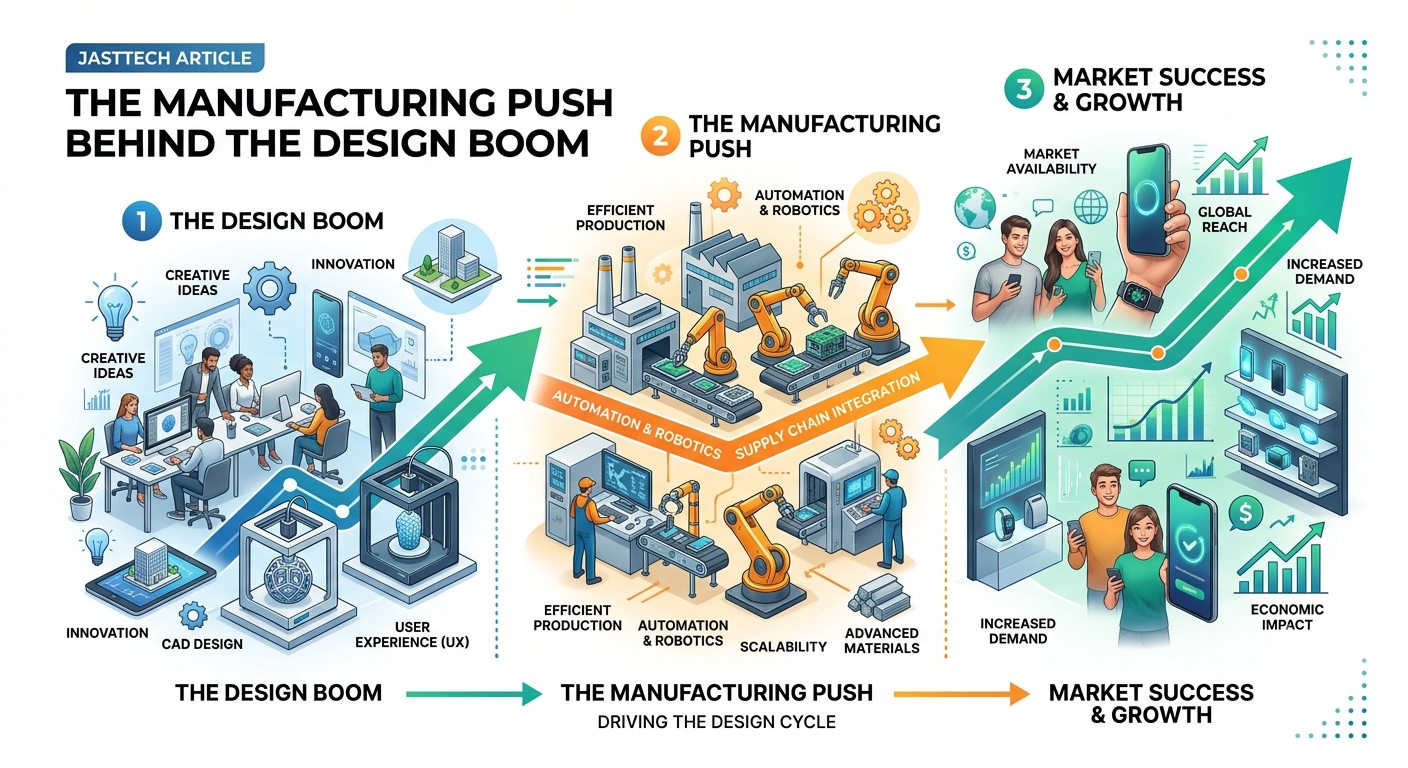
Design talent is only half the story. Telangana has spent the last several years trying to convert its design strength into actual manufacturing capacity, and that push is starting to show results on the ground. Two dedicated electronics manufacturing clusters south of the city — one in Raviryala spanning over 600 acres and another in Maheshwaram — already host operations from companies including Qualcomm, AMD, and Nvidia alongside contract manufacturers like Foxconn and Bharat Electronics.
Electronics manufacturing already accounts for a meaningful share of the state's industrial output, and the government has structured its incentive programs specifically to close that gap between design and production. Subsidies covering a portion of fixed capital investment, discounted industrial land, and skill development funding are all aimed at the same goal: keeping the value chain inside the state instead of losing it to manufacturing hubs elsewhere. For anyone building a career here, this matters because manufacturing-adjacent roles — testing, validation, hardware bring-up — are growing alongside the pure design jobs.
It also changes the type of experience available early on. In cities where only design work exists, engineers rarely get exposure to how a product behaves once it leaves the lab and enters production. Hyderabad's growing manufacturing footprint means more people get a shot at that end-to-end view — seeing a board go from schematic to prototype to a production line — which tends to make for stronger, more versatile engineers over time.
Government Policy Is Actively Chasing This Sector
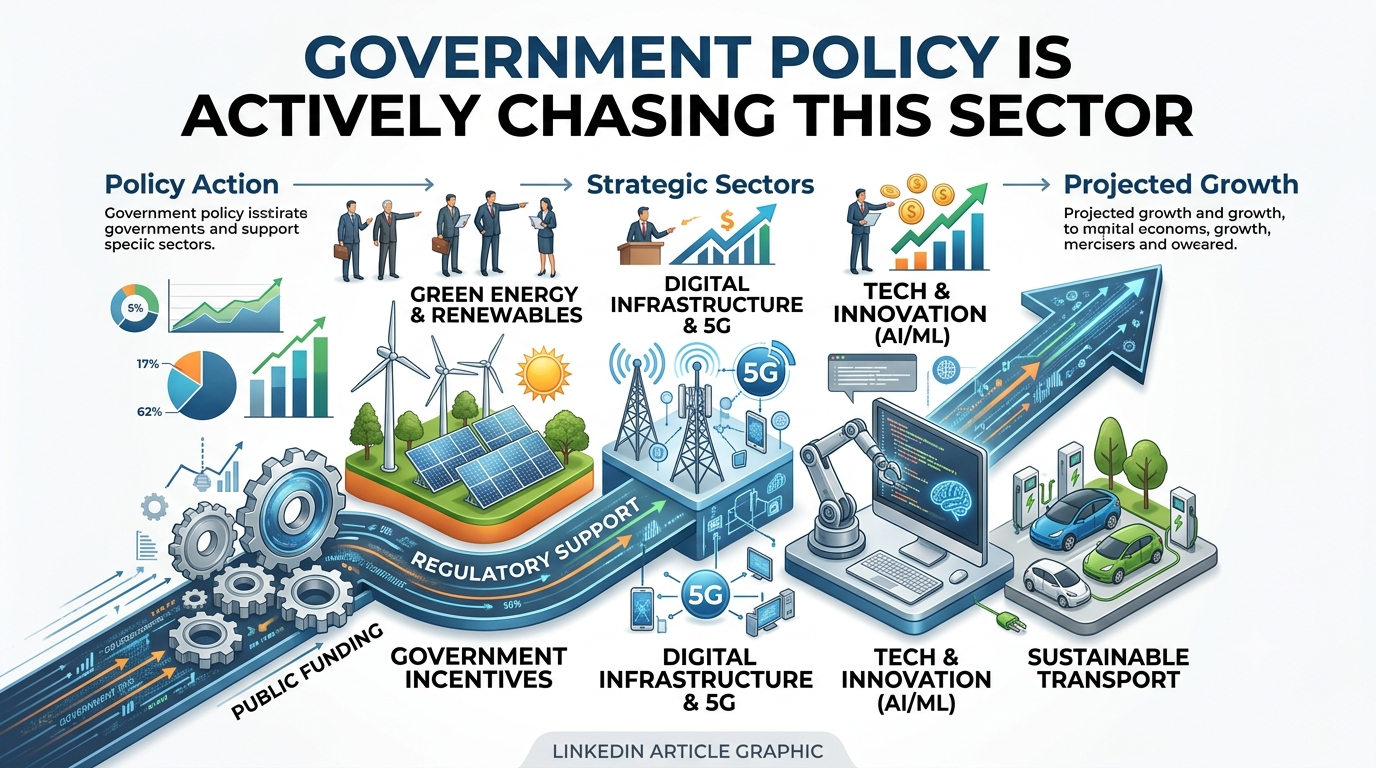
It's rare for a state government to talk about semiconductors as often as Telangana's does. Officials have repeatedly pushed the central government to prioritise the state under the India Semiconductor Mission's next phase, arguing that Hyderabad's existing design ecosystem makes it a natural fit for manufacturing investment too. Recent public statements from state leadership have framed this directly: the region already has the design talent, and the next objective is pulling fabrication and packaging work into the same geography.
Beyond semiconductors, the state has layered in a broader industrial roadmap involving major infrastructure spending, an expanded metro network, and improved logistics connectivity — all things that matter to companies deciding where to place a factory or an engineering centre. None of this guarantees outcomes, but it does signal sustained intent, and intent backed by repeated policy action tends to move markets over time.
State officials have also been candid about where the gaps remain — Telangana doesn't have a coastal port, which adds friction for companies moving heavy equipment or components internationally. To offset that, the incentive structure leans harder on land subsidies and capital support than some competing states need to. It's a practical workaround rather than a perfect solution, but it reflects a government that's actively trying to solve for its weaknesses instead of ignoring them.
The Companies Actually Hiring Right Now
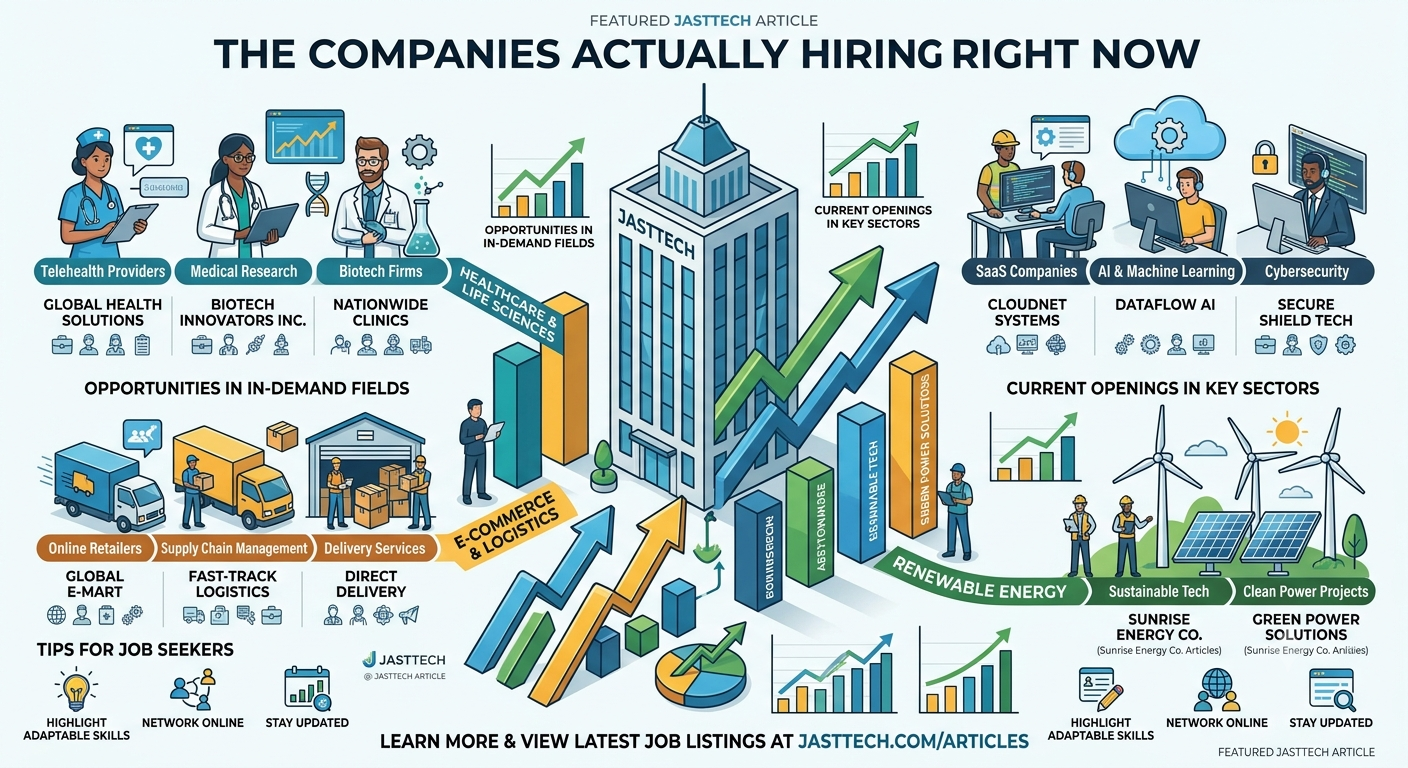
Policy signals are one thing; job openings are another, and Hyderabad has both. Engineering services firms like Cyient, which grew out of the earlier Infotech Enterprises, run safety-critical embedded software projects for aerospace and automotive clients directly out of the city, working on flight control systems and driver-assistance software for major global manufacturers. Automotive suppliers such as Continental maintain large embedded teams here working on braking systems, airbag control units, and radar modules.
Alongside these established players, a layer of smaller and mid-sized firms has grown around them — companies working on IoT connectivity, automotive testing platforms, and system-on-chip design services. The defence and aerospace sector adds another dimension entirely, with national research laboratories and private suppliers clustered around the city creating steady demand for embedded engineers who can work on secure, mission-critical systems. One recent industry estimate suggested more than 1,800 engineers moved from general service-based roles into core embedded positions in Hyderabad within a single year, which says something about how active this hiring market has become.
What stands out across these employers is variety. Someone entering the field here isn't limited to one industry vertical the way they might be in a city built primarily around, say, telecom or consumer electronics. A single job search in Hyderabad can turn up openings in automotive safety systems, medical device firmware, defence-grade communication hardware, and consumer IoT products, often within the same week. That range gives people more room to find a niche that actually suits their interests rather than defaulting to whatever's available.
What It Actually Takes to Get Hired Here
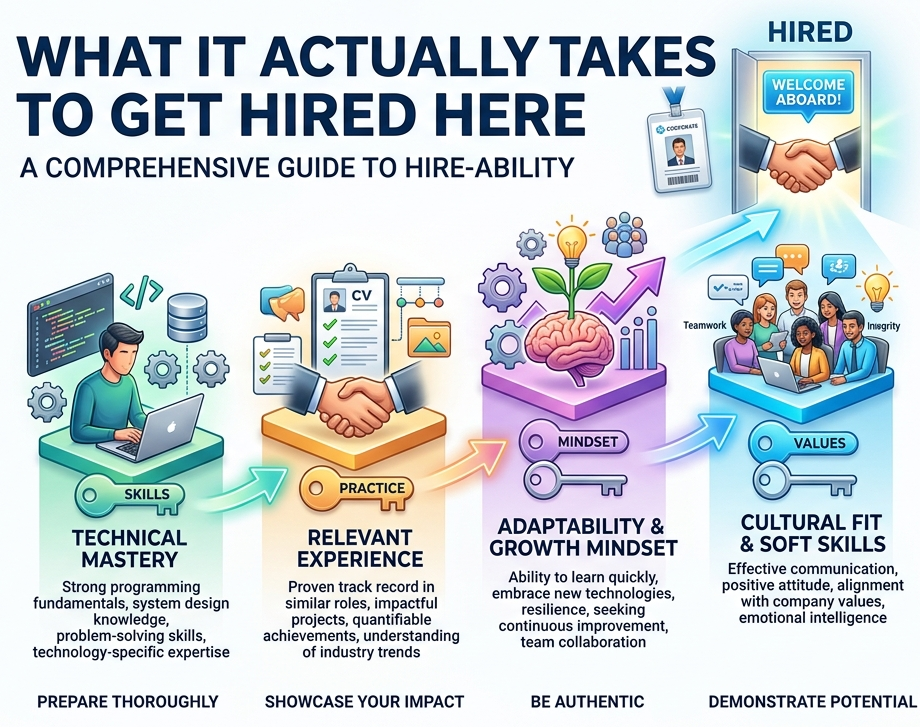
Job postings across the city point to a fairly consistent pattern in what employers want. Strong command of C and C++ remains the baseline expectation, paired with hands-on experience on microcontrollers, real-time operating systems, and debugging tools. Familiarity with connectivity protocols like BLE, LoRa, and Wi-Fi shows up frequently, especially for roles tied to consumer IoT and industrial devices. For automotive-adjacent positions, exposure to standards like AUTOSAR and ISO 26262 tends to separate stronger candidates from the rest.
What's changed is the weight employers place on hands-on project work over formal credentials alone. Companies increasingly care more about whether someone has built and debugged a working project on a real development board than about which specific degree they hold. That's a meaningful shift, and it opens the field to people who invest time in practical skills rather than relying purely on academic pedigree. Compensation reflects seniority sharply — entry-level packages tend to sit in a modest range, while experienced engineers with specialised skills in automotive safety, AI-adjacent hardware, or advanced firmware can earn considerably more.
Soft factors matter more than people expect too. Recruiters in this space regularly mention communication and documentation habits as differentiators, since embedded work usually involves close coordination with hardware teams, vendors, and sometimes clients on the other side of the world. An engineer who can explain a bug clearly to a non-technical stakeholder, or write documentation someone else can actually follow six months later, tends to move up faster than one who only has strong coding chops.
Where the Opportunity Is Headed Next
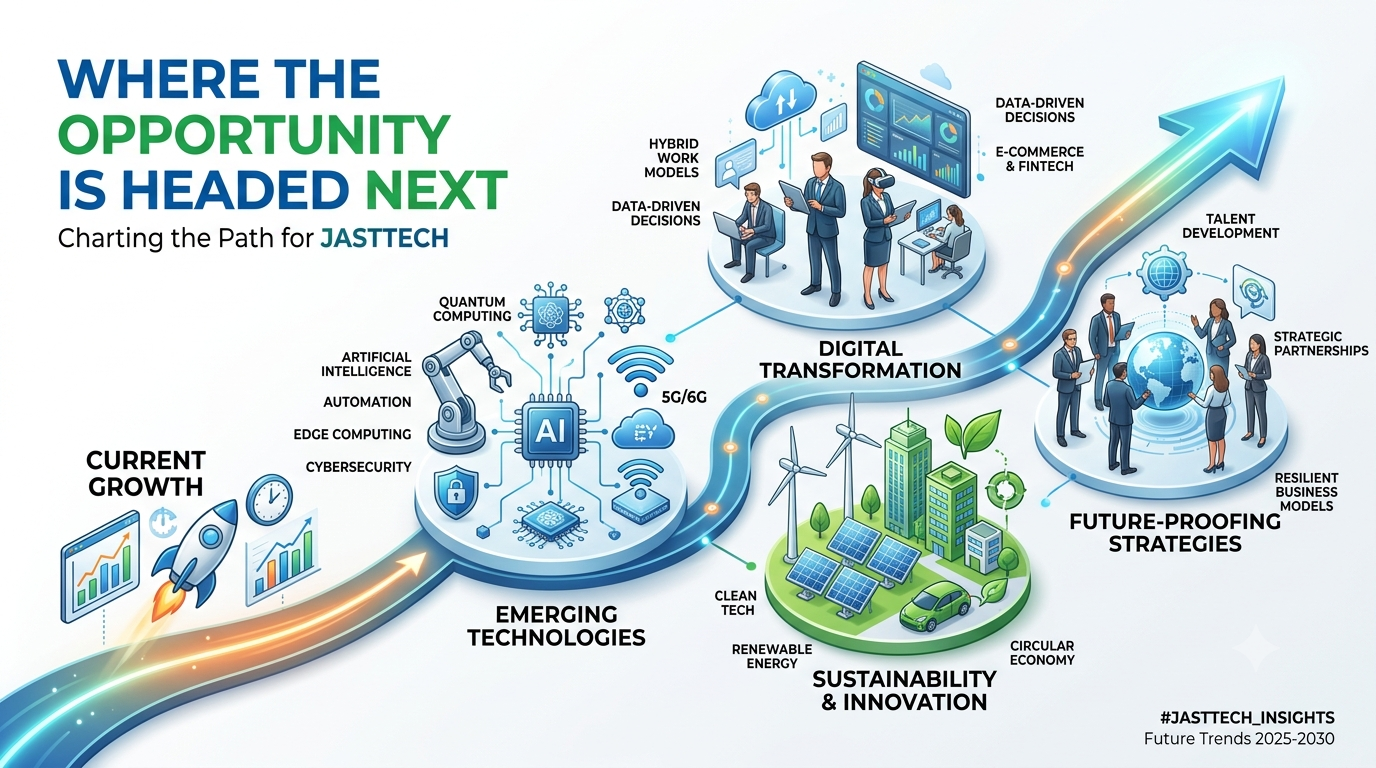
The next phase of growth looks tied to a few overlapping trends rather than any single industry. Electric vehicles are pulling embedded talent into battery management, motor control, and charging infrastructure work, with established auto players like Mahindra and Hyundai already present in the region and retooling around electrification. Artificial intelligence is starting to show up at the hardware layer too, with job listings increasingly asking for people who can validate AI-assisted chip designs and microcontroller-based systems rather than just write conventional firmware.
Defence and aerospace add a further layer of stability, since national laboratories and their private supply chains tend to generate long-term, less cyclical demand. And the state's continued push toward actual chip manufacturing, if it gains traction, would add an entirely new category of hardware-adjacent roles that don't fully exist in the city yet. Taken together, none of these trends guarantee smooth sailing, but they do suggest that Hyderabad's embedded ecosystem is still expanding rather than settling into a fixed shape — which is usually the best time to build a career inside it.
Infrastructure investment underscores that trajectory too. Projects like the planned Regional Ring Road and an expanded metro network aren't glamorous headlines, but they're exactly the kind of groundwork that makes a region viable for large-scale industrial expansion over the next decade. Cities rarely become hardware hubs on the strength of talent alone; they need the roads, power reliability, and logistics networks to support factories and R&D campuses at scale, and Hyderabad appears to be building those pieces deliberately rather than as an afterthought.
Hyderabad didn't become a hardware hub by accident, and it isn't finished becoming one either. The combination of established global engineering centres, an aggressive state policy push, and a widening base of companies actually building physical products has created a market where embedded careers are no longer a niche path — they're one of the more dependable ones in the city's tech economy.