

How to Get an Embedded Systems Job as a Fresher
Navigate through this article using the table of contents below
Table of Contents
No headings found in this article.
Landing an Embedded Systems job as a fresher often feels difficult because companies expect practical skills instead of just academic knowledge. Many graduates know the theory but struggle to demonstrate how they can solve real engineering problems during interviews.
The good news is that companies are actively hiring candidates who can prove their abilities through projects, debugging skills, and hands-on experience. With the right learning path and quality Embedded systems training, you can significantly improve your chances of securing your first role. This guide explains exactly how to do that.
Understand What Companies Actually Expect from Freshers
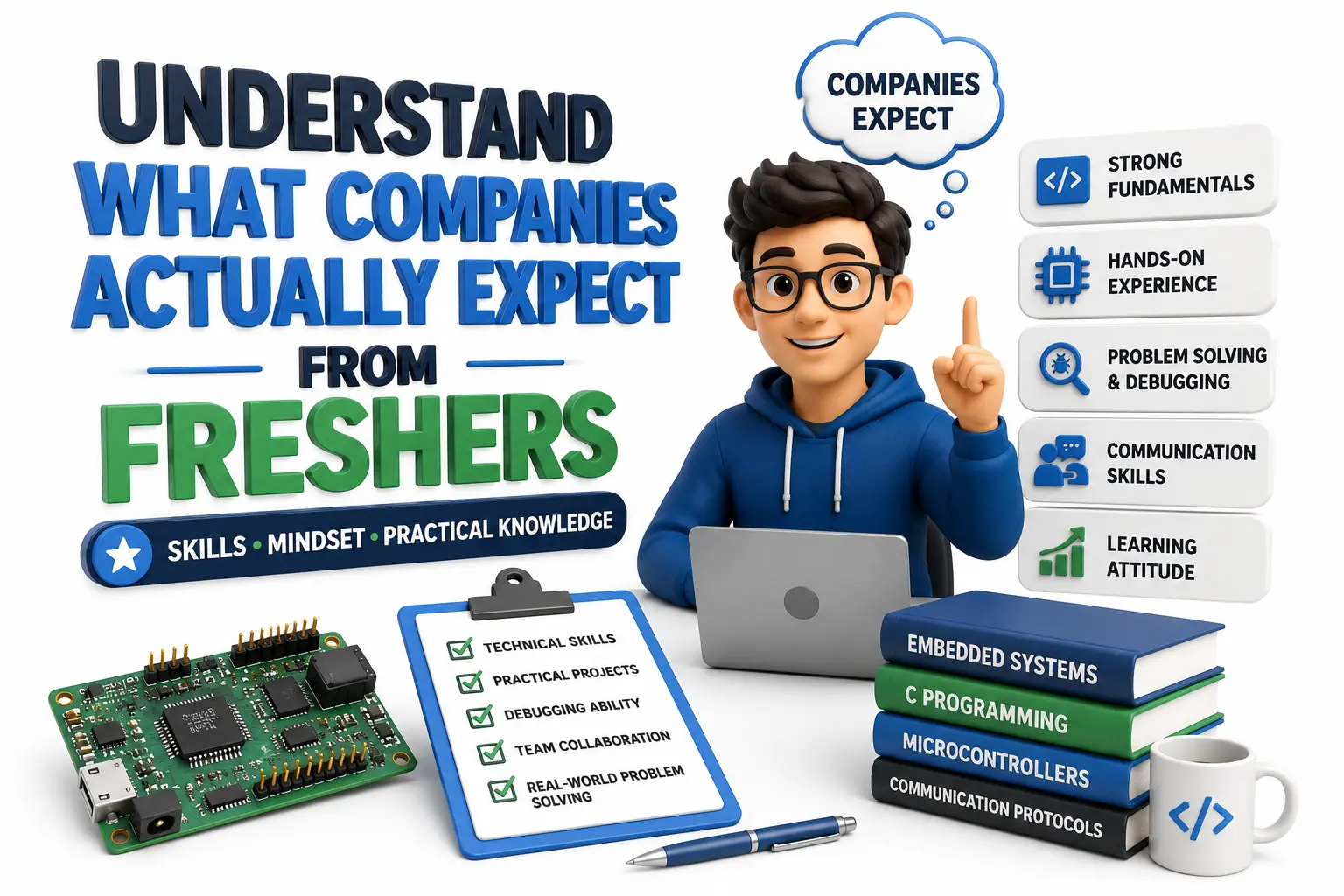
Many students assume high grades alone will help them secure a job. In reality, recruiters evaluate whether you can apply engineering concepts to real hardware and software challenges.
Most entry-level Embedded Systems roles expect candidates to understand:
C programming fundamentals
Microcontrollers such as STM32, AVR, PIC, or ARM Cortex-M
GPIO, UART, SPI, I2C, CAN communication
Timers and Interrupts
Basic electronics and digital logic
Debugging using development tools
Recruiters also value curiosity and problem-solving ability. During interviews, they often ask candidates to explain project decisions, troubleshoot code, or discuss how they handled hardware integration challenges. Strong practical knowledge consistently creates a better impression than memorized textbook answers.
Build Strong Technical Skills Through Practical Learning
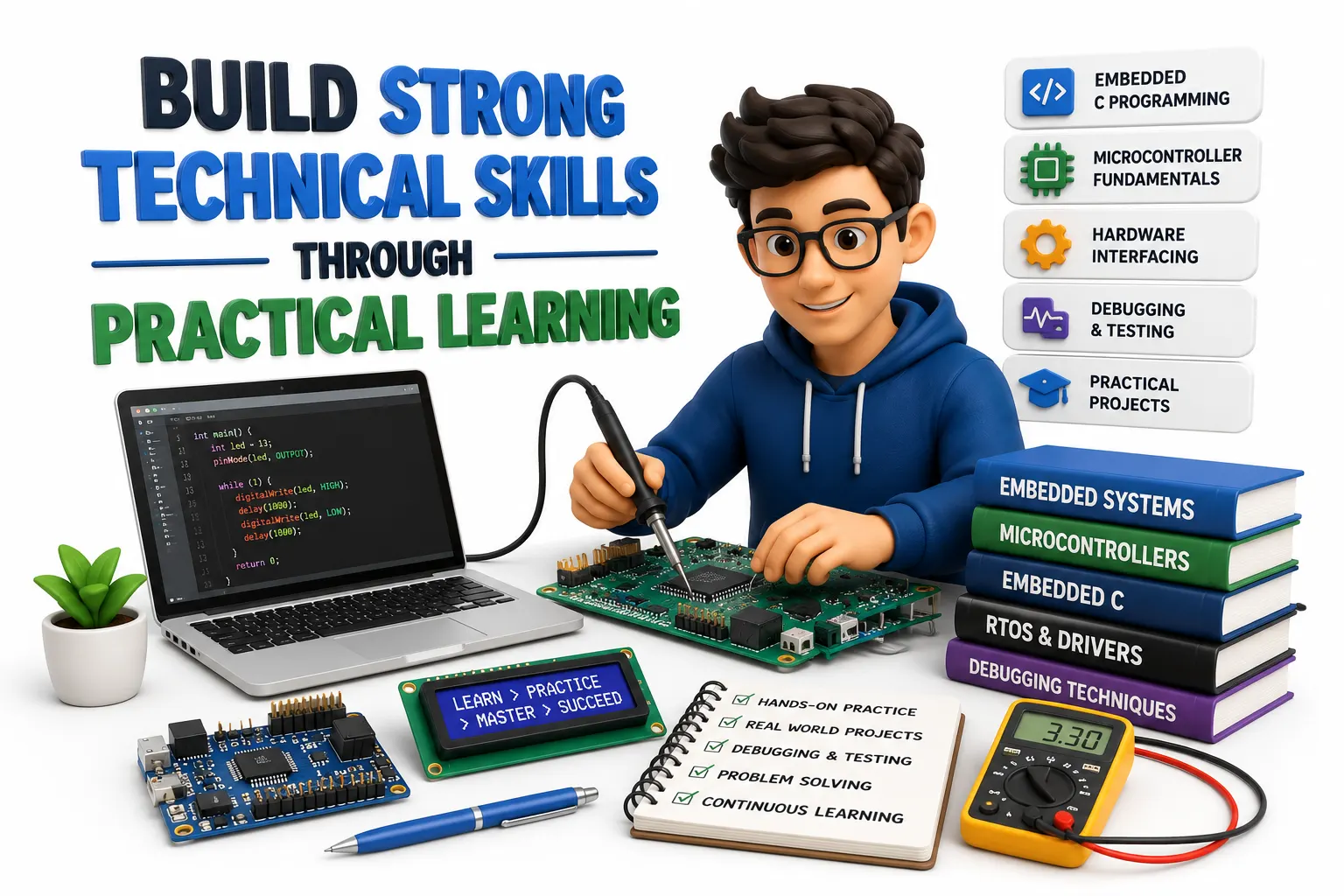
Embedded engineering is a practical domain where learning by doing matters more than simply completing online tutorials. The most successful freshers spend more time experimenting with hardware than reading theory alone.
A structured Embedded systems training program should include:
Embedded C programming
Microcontroller architecture
RTOS fundamentals
Embedded Linux basics
Peripheral interfacing
Bootloaders
Device drivers
Version control using Git
Hardware debugging techniques
JastTech focuses on industry-oriented learning by combining classroom concepts with extensive laboratory practice. This approach helps students understand not only how embedded systems work but also how they are developed in real product companies.
Create Projects That Demonstrate Real Engineering Skills
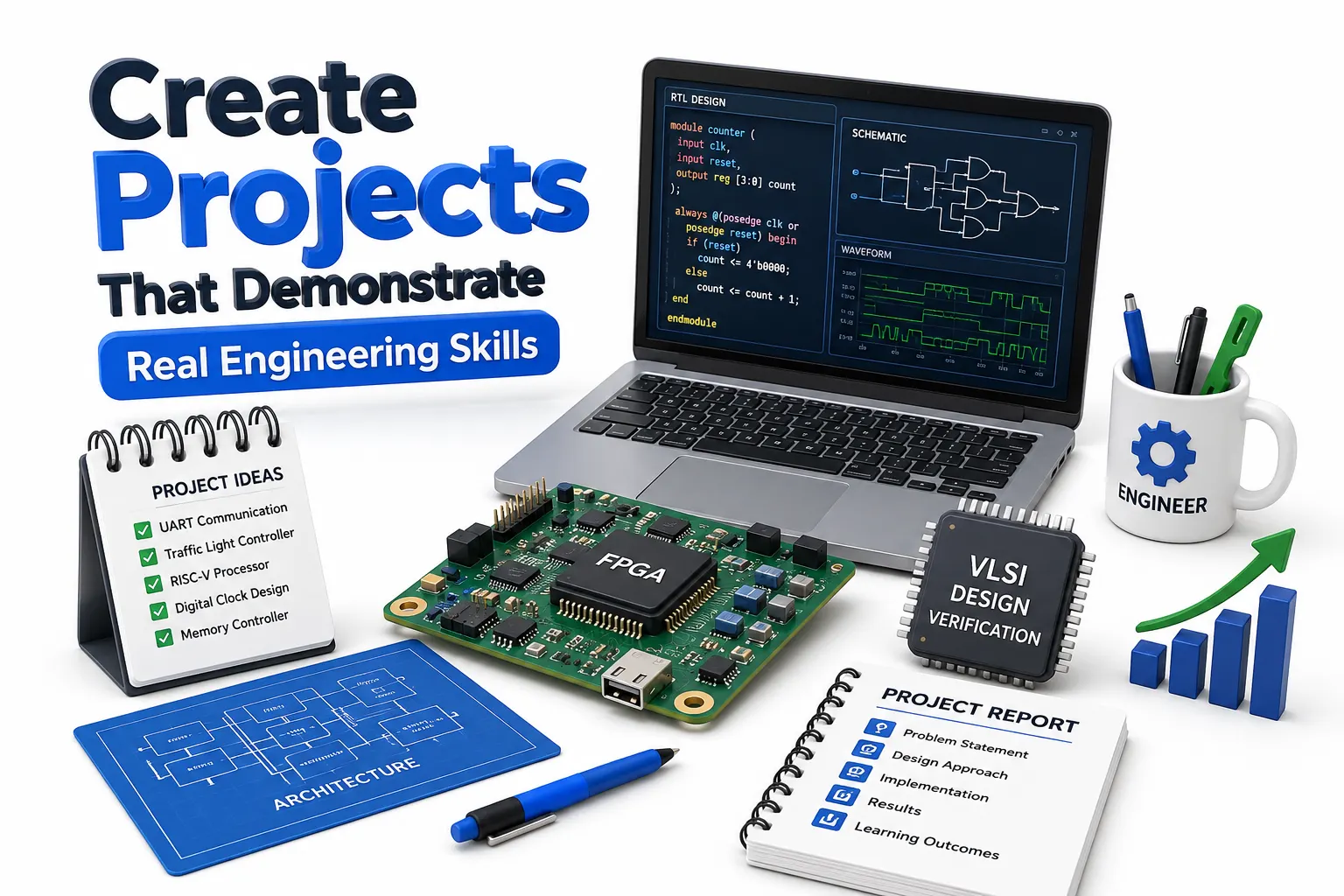
Projects often determine whether a fresher receives an interview call. Instead of building simple LED blinking circuits, create projects that demonstrate complete system design and problem-solving abilities.
Consider developing projects such as:
Smart Home Automation System
IoT-Based Environmental Monitoring
Digital Data Logger
Automotive Sensor Interface
RTOS-Based Task Scheduler
Embedded Linux Device Driver
Industrial Motor Control System
When documenting projects:
Explain the problem being solved.
Describe hardware and software architecture.
Include circuit diagrams and code.
Highlight challenges and debugging methods.
Share results on GitHub or a technical portfolio.
These details help recruiters evaluate your engineering approach rather than just the final outcome.
Prepare a Resume and Portfolio That Recruiters Notice
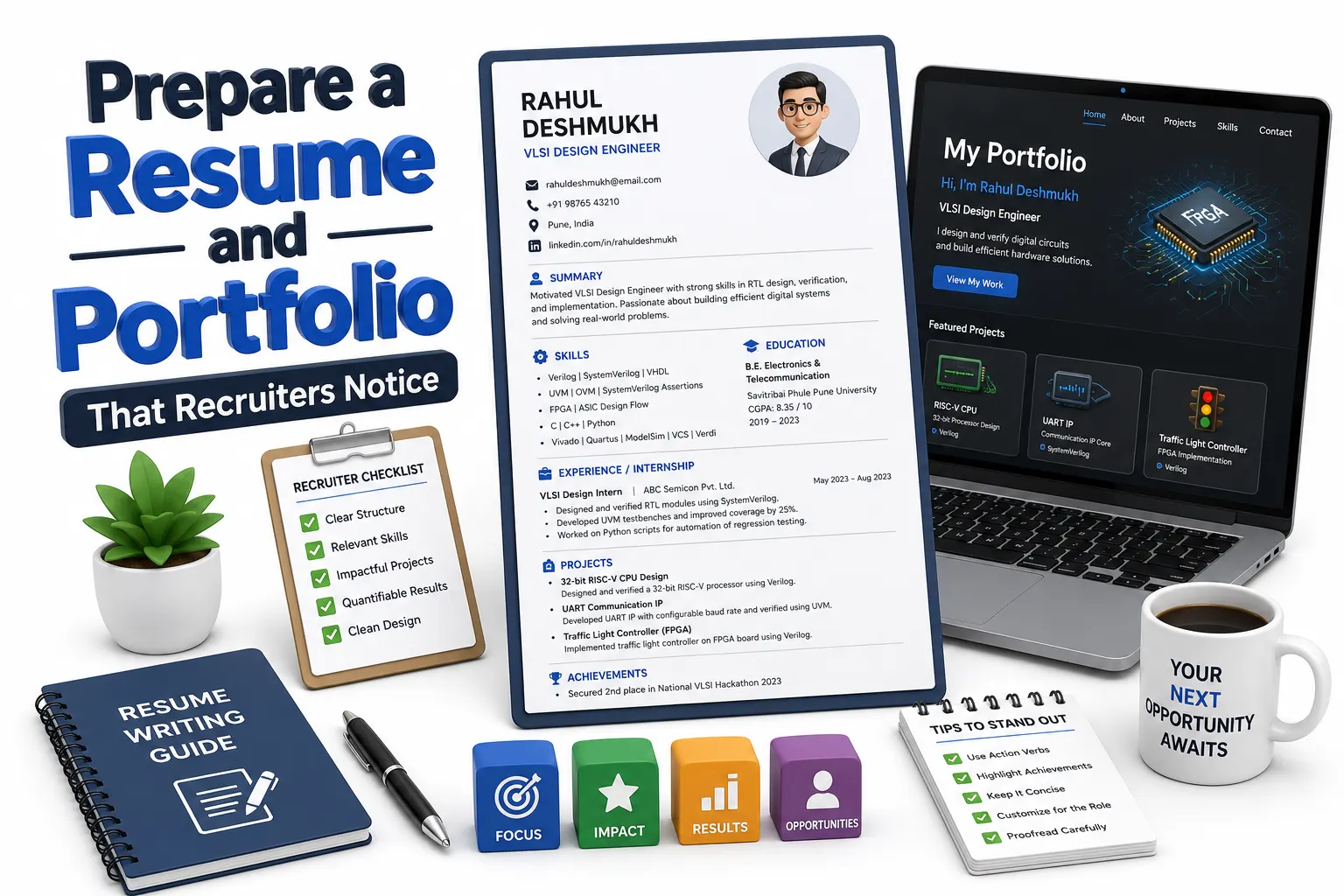
Many technically capable students fail to receive interview calls because their resumes fail to showcase their strengths effectively. A resume should highlight practical achievements instead of listing every academic subject studied.
Your resume should include:
Technical skills
Development boards used
Programming languages
Major projects
Internships
Certifications
GitHub profile
LinkedIn profile
Relevant achievements
A professional portfolio strengthens your profile even further. Include project documentation, source code, demonstration videos, and concise technical write-ups. Recruiters appreciate candidates who can clearly explain what they built and why specific design decisions were made.
Students completing Embedded systems training at JastTech are encouraged to build professional portfolios that align with industry hiring standards.
Prepare Smartly for Technical Interviews
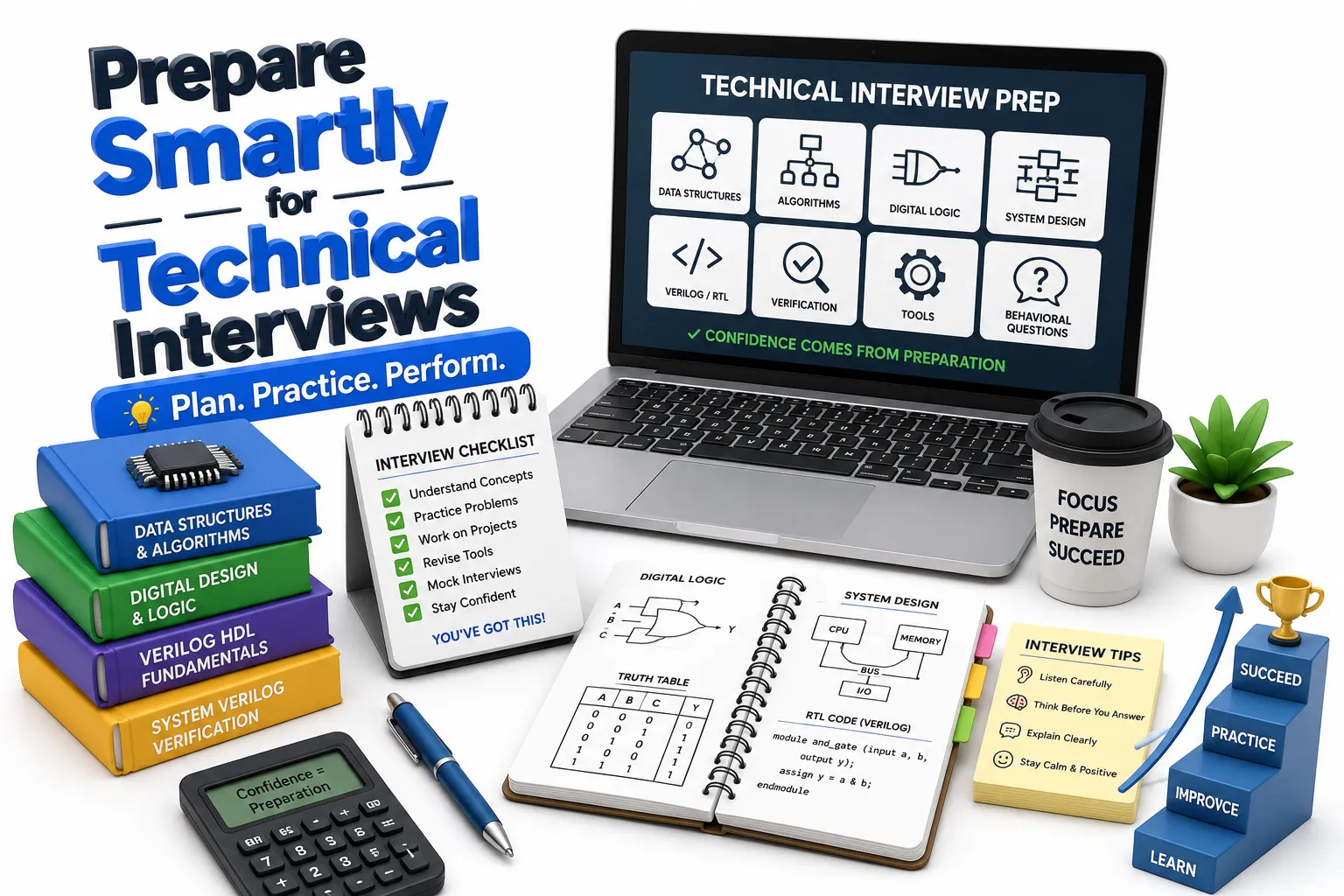
Embedded Systems interviews test both theoretical understanding and practical thinking. Interviewers frequently present real-world scenarios rather than asking only textbook questions.
Prepare for topics including:
Pointer concepts
Memory management
Interrupt handling
RTOS scheduling
Communication protocols
Embedded C programming
State machines
Microcontroller architecture
Hardware debugging
Beyond technical preparation, practice explaining your projects confidently. Employers often spend considerable time discussing project implementation because it reveals how you think, troubleshoot, and collaborate. Mock interviews and regular coding practice help improve confidence and communication skills before actual interviews.
Apply Strategically and Continue Improving Your Skills
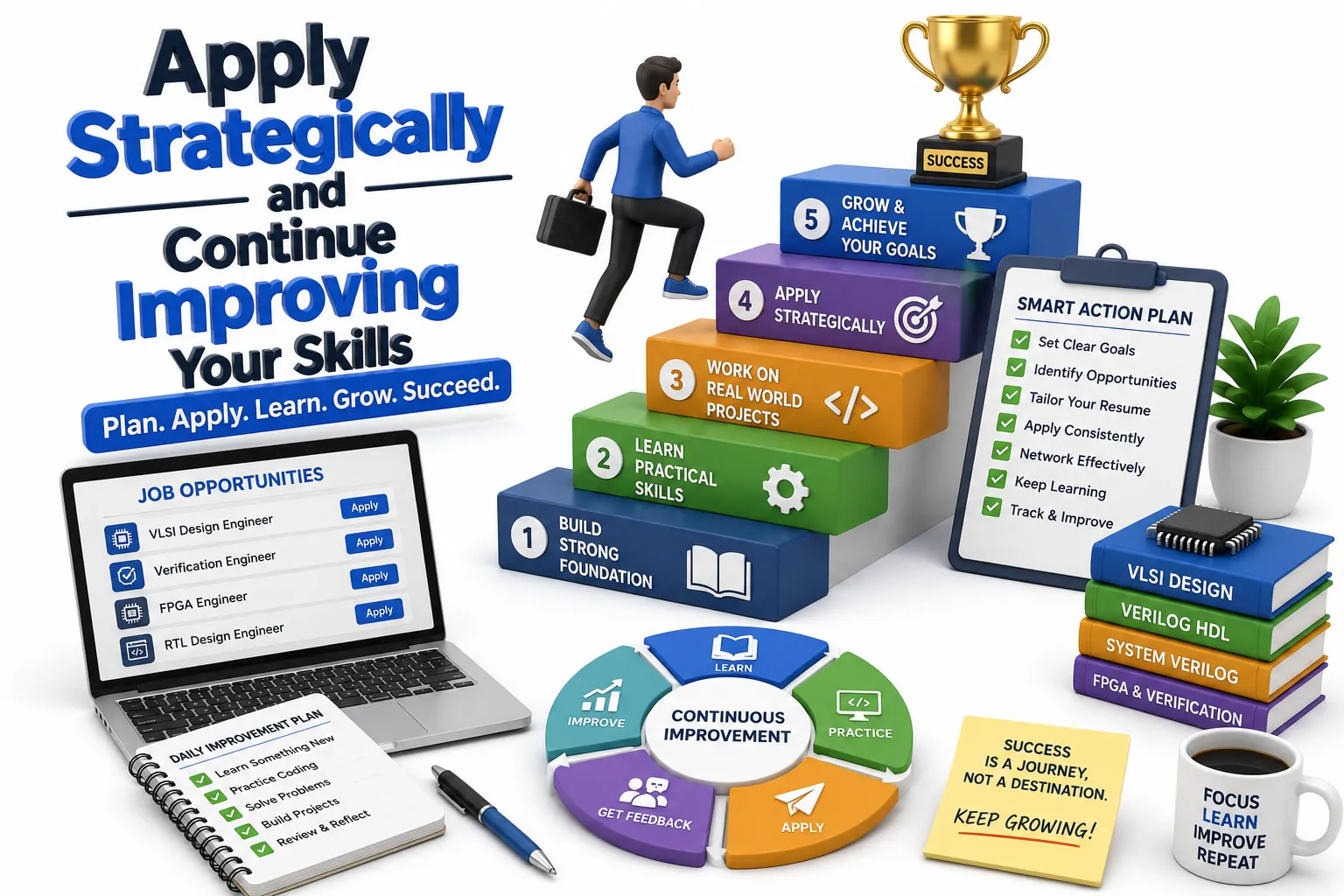
Submitting hundreds of random applications rarely produces good results. Instead, focus on companies that hire freshers and tailor your applications according to each role.
A smart job search strategy includes:
Applying through LinkedIn and company career pages
Attending campus recruitment drives
Participating in hackathons and technical competitions
Networking with Embedded Systems professionals
Completing internships whenever possible
Continuously improving projects based on industry feedback
Learning should continue even after interviews. Every interview highlights areas for improvement, whether technical knowledge, communication, or debugging ability. Treat each experience as an opportunity to strengthen your profile for the next opportunity.
JastTech supports students beyond course completion by helping them build industry-relevant skills, practical experience, and interview confidence that employers value.
Conclusion
Getting an Embedded Systems job as a fresher is not about having the highest marks or the most certificates. Employers want engineers who understand hardware, write efficient code, debug problems systematically, and communicate their technical decisions clearly. A focused preparation strategy built around practical learning can make a significant difference in today's competitive job market.
The best investment you can make is developing real engineering skills through consistent practice, meaningful projects, and quality Embedded systems training. By mastering core technologies, creating a strong portfolio, preparing strategically for interviews, and learning with an industry-focused platform like JastTech, you can confidently move from being a student to becoming a professional Embedded Systems engineer.