


Why Guidewire PolicyCenter Is a Growing Career Opportunity in Hyderabad
Navigate through this article using the table of contents below
Table of Contents
No headings found in this article.
A city once known mainly for pearls and biryani is now quietly becoming one of India's busiest insurance technology hubs. Hyderabad's IT corridor is filling up with Guidewire teams, and the demand for skilled professionals is outpacing the supply.
If you've been scrolling job portals and noticing the same platform name popping up again and again, you're not imagining it. Guidewire PolicyCenter career opportunities in Hyderabad are multiplying fast, and understanding why can help you decide whether this is the right move for your career.
What's Fueling the Guidewire Boom in Hyderabad?
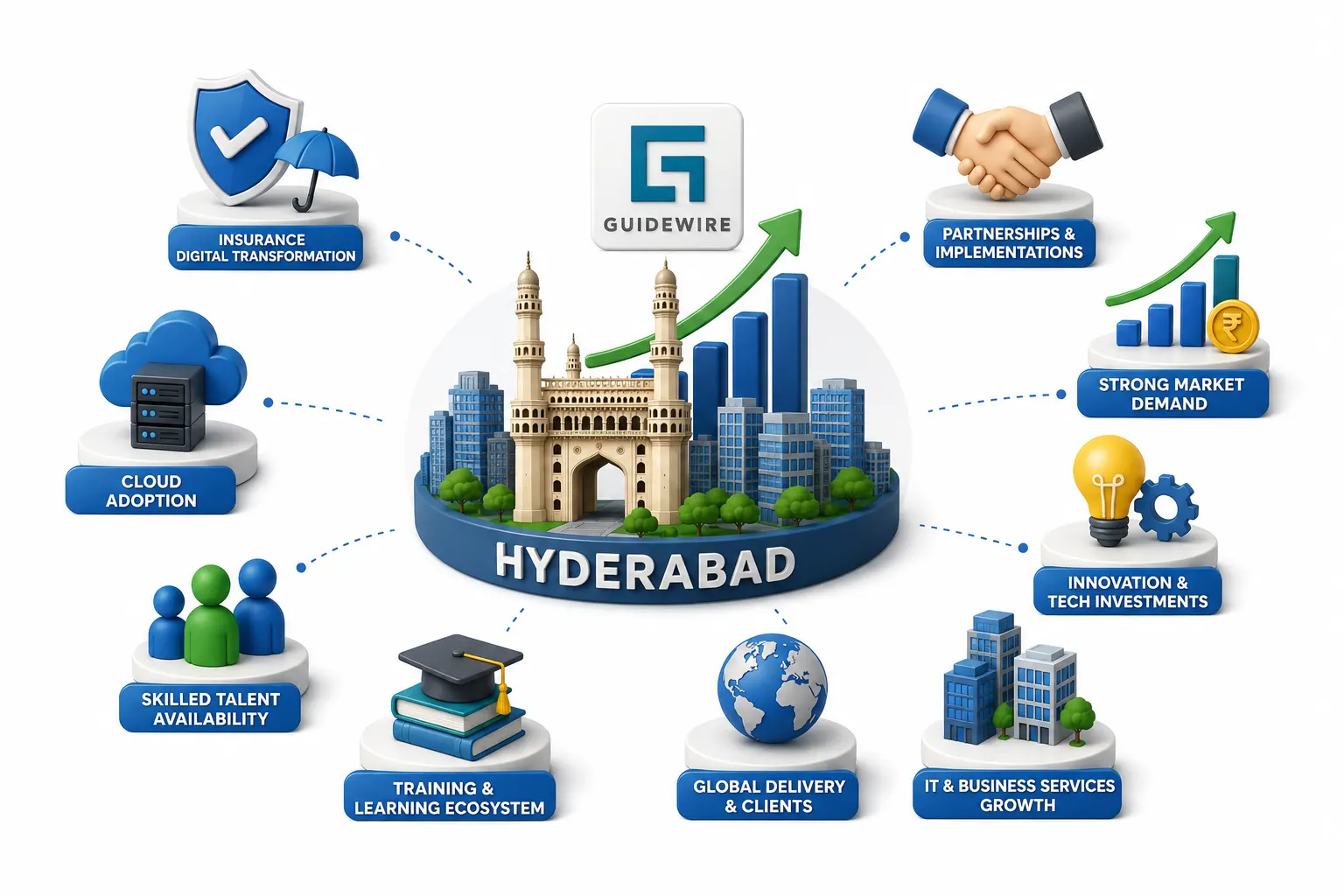
Hyderabad has spent the last decade building a reputation as a stronghold for enterprise software and product engineering. Companies like Microsoft, Amazon, and Salesforce already run large centers here, which means the city has a deep bench of technical talent used to working on complex platforms.
Insurance carriers and consulting firms noticed this. Many of them opened dedicated Guidewire delivery centers in Hyderabad because the city offered a rare mix: strong engineering talent, competitive operating costs, and a mature IT infrastructure. Global insurers migrating from legacy systems to Guidewire's InsuranceSuite needed exactly this kind of setup.
As more carriers moved their policy administration to PolicyCenter, the demand for implementation and support teams grew alongside them. It wasn't a sudden spike — it built steadily as project after project got greenlit.
What makes this different from a typical IT trend is staying power. Insurance companies don't switch core platforms often, and once they commit to Guidewire, they need people to configure, maintain, and upgrade it for years. That's a long runway for anyone starting now.
Understanding PolicyCenter's Role in the Insurance World
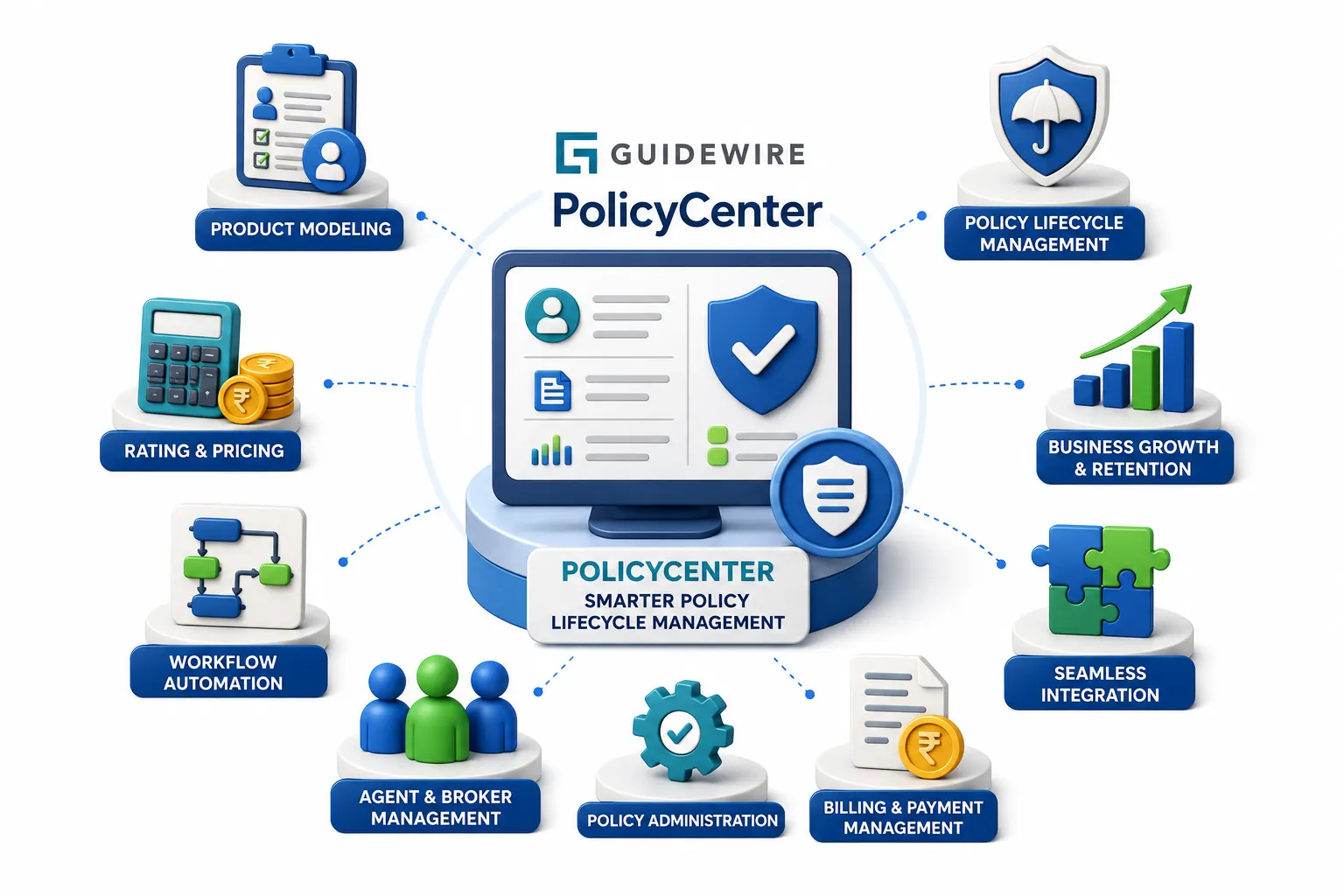
To appreciate why this platform matters, it helps to know what PolicyCenter actually does. It's the system insurers use to manage the entire policy lifecycle — quoting, underwriting, issuing, and renewing policies across personal and commercial lines.
Think of it as the engine room of an insurance company. Every rate calculation, every underwriting rule, every renewal notice runs through it. When an agent sells a new auto policy or a business owner adjusts their commercial coverage, PolicyCenter is working behind the scenes.
Because insurance rules vary so much by state, product, and regulation, PolicyCenter isn't a plug-and-play system. It needs skilled configuration to reflect each insurer's specific rating logic, forms, and workflows. That configuration work is precisely where trained professionals come in.
This is also why the platform isn't going anywhere soon. Insurance is a heavily regulated, slow-moving industry, and once a carrier builds its operations around PolicyCenter, replacing it is a massive undertaking. That stability is part of what makes a career here appealing — you're not betting on a platform that might disappear in two years.
The Skills That Actually Get You Hired
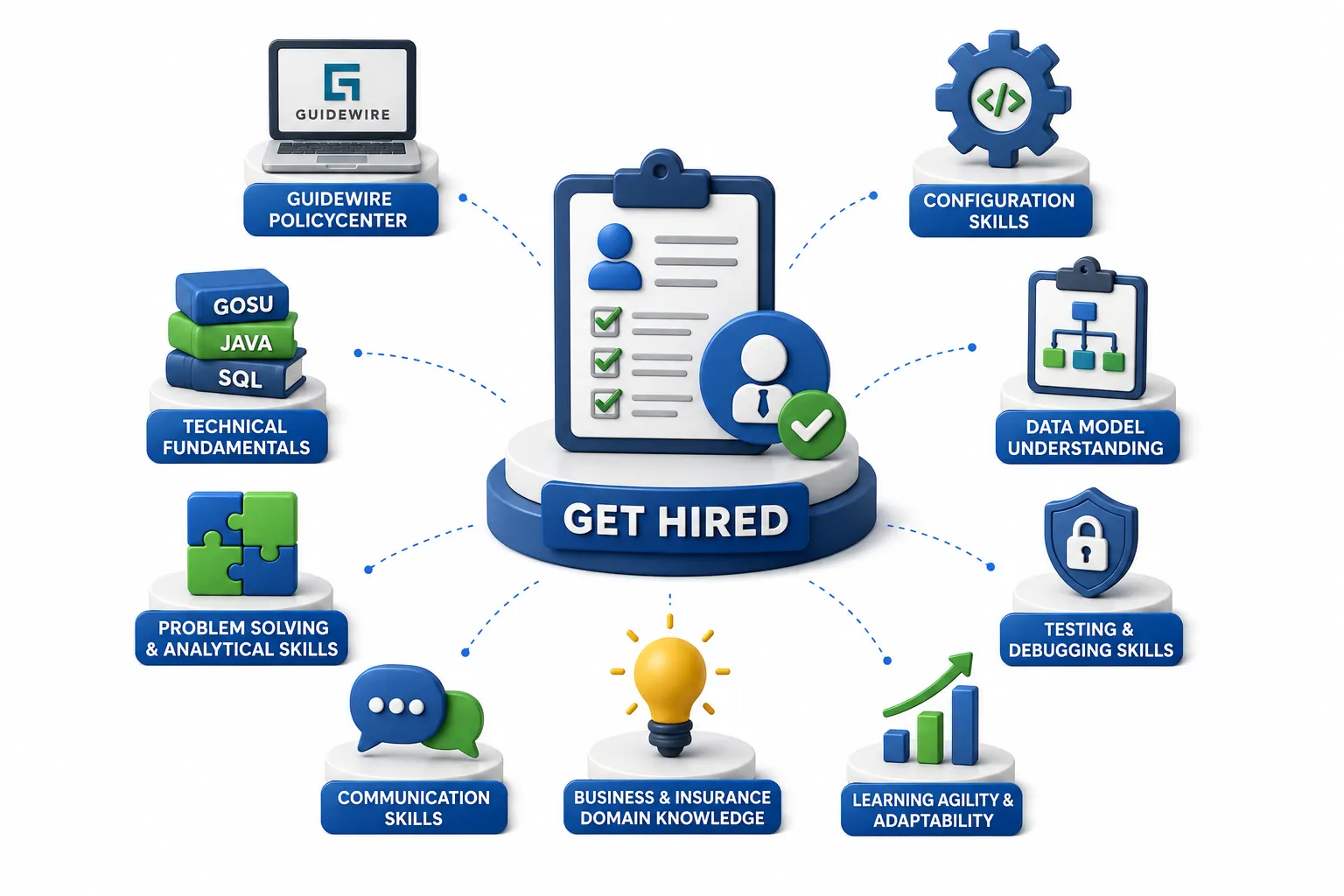
Job descriptions for Guidewire roles can look intimidating at first glance, listing a dozen tools and frameworks. But once you break it down, the skills required for Guidewire PolicyCenter jobs fall into a few clear categories.
Gosu scripting — the proprietary language behind Guidewire's business logic. If you know Java, picking up Gosu is fairly natural.
PCF (Page Configuration Framework) — used to build and modify the user interface screens.
Data model knowledge — understanding how PolicyCenter stores and relates policy, account, and product data.
Integration basics — working with web services, messaging, and batch processes that connect PolicyCenter to other systems.
Insurance domain fundamentals — knowing how underwriting, rating, and policy issuance actually work in practice.
Recruiters consistently say the biggest gap isn't technical aptitude — it's domain understanding. Candidates who can explain why a rule exists, not just how to code it, tend to stand out in interviews and move faster through onboarding.
What a Typical Career Path Looks Like
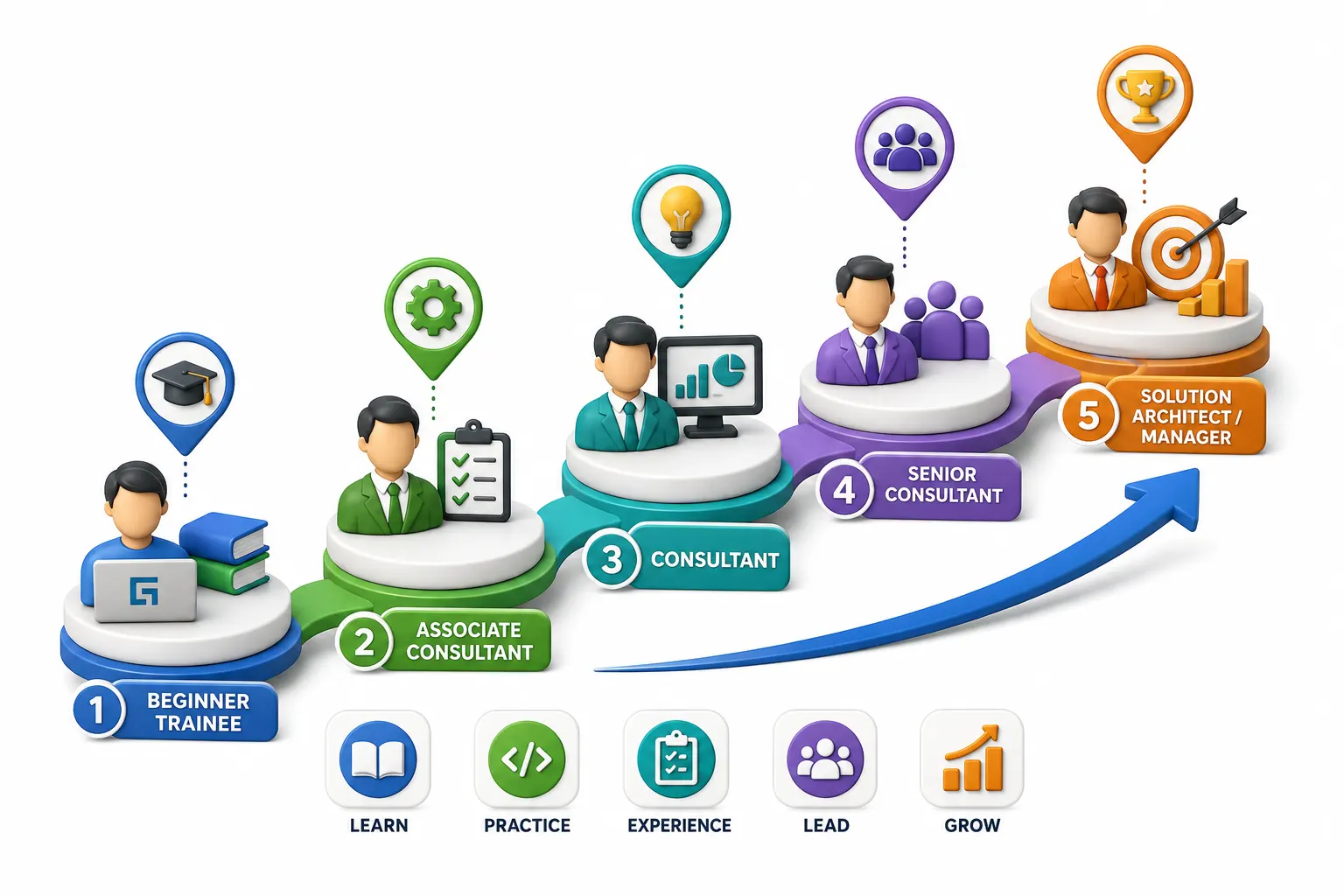
Most people don't walk straight into a senior Guidewire architect role. The path usually starts with a configuration or support position, where you learn the platform's structure by working on real tickets and small enhancements.
From there, professionals often specialize. Some move toward configuration and development, becoming the go-to person for Gosu rules and PCF screens. Others lean into integration work, connecting PolicyCenter with billing systems, claims platforms, or third-party data providers. A smaller group moves into business analysis, translating underwriting requirements into technical specifications.
Within a few years, experienced consultants often step into lead or architect roles, overseeing implementations for entire carriers. Because so few people have deep, hands-on PolicyCenter experience, seniority tends to arrive faster here than in more saturated tech fields.
There's also a consulting route worth mentioning. Firms delivering Guidewire projects for multiple insurance clients hire heavily for short-to-mid-term engagements, and this path exposes professionals to a wider variety of configurations and business rules than staying with a single carrier ever would. It's a practical way to build a broad, resilient skill set early in your career.
Why Hyderabad Specifically Makes Sense Right Now

Location matters more than people assume when choosing where to build a Guidewire career. Hyderabad currently sits in a sweet spot — high enough demand to create real opportunities, but not so saturated that competition drowns out newcomers.
Several global insurers and IT services firms have set up delivery centers here specifically for Guidewire work, which means openings aren't limited to one or two companies. That spread reduces risk for job seekers; if one project winds down, another is often hiring nearby.
The city's cost of living, compared to Bangalore or Mumbai, also makes it attractive for companies scaling their technology teams, which in turn means more hiring rather than just relocating existing staff. For professionals, that translates into more entry points and faster movement between roles when negotiating better positions.
Networking events, meetups, and local Guidewire Course in India ecosystems around insurance technology have also grown alongside the hiring demand. This creates a feedback loop — more trained talent attracts more projects, and more projects create demand for more trained talent. Right now, Hyderabad is firmly in that upward part of the cycle, making the timing genuinely favorable for newcomers.
How Structured Training Shortens the Learning Curve
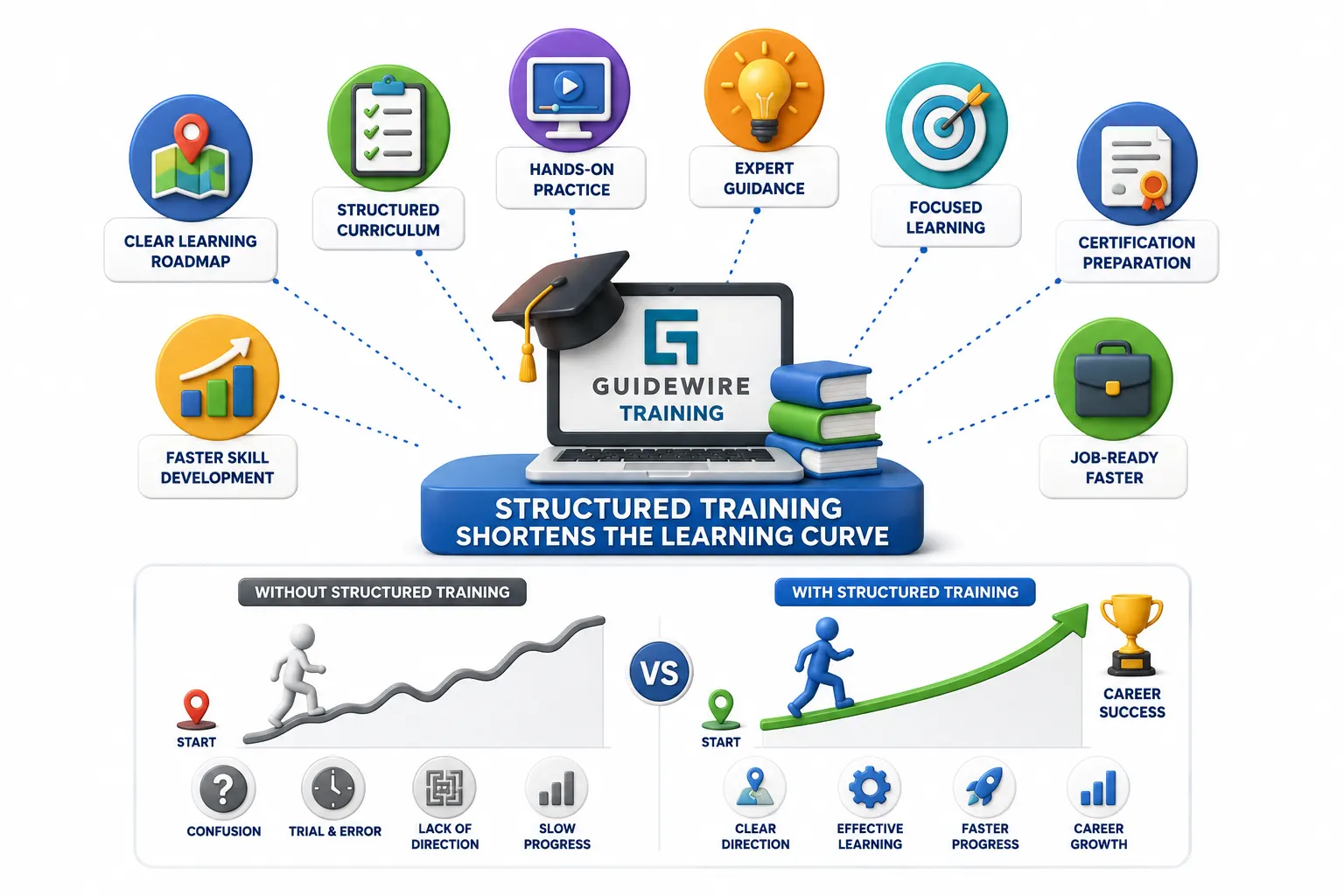
Guidewire PolicyCenter isn't something most people pick up casually through YouTube tutorials. The platform is deep, the documentation assumes prior context, and mistakes in a sandbox environment often don't teach the same lessons as guided, hands-on practice.
This is why a structured Guidewire course in Hyderabad tends to save people months of trial and error. A good program walks through the platform's architecture, Gosu scripting, PCF configuration, and integration patterns in a sequence that actually mirrors how real projects unfold — not a random collection of topics.
Local, in-person or hybrid training also has an underrated advantage: direct access to instructors who've worked on live implementations. They can explain the "why" behind design decisions, not just the "how" of clicking through screens, which is exactly the domain understanding recruiters look for.
For anyone serious about breaking into this field, JastTech's Guidewire PolicyCenter training in Hyderabad is built around this practical, project-based approach, covering the configuration and scripting skills employers actually test for in interviews. Pairing structured learning with genuine curiosity about the insurance domain is often what separates candidates who get hired quickly from those who stay stuck in the application pile.
Conclusion
Hyderabad's Guidewire ecosystem is still climbing, not plateauing. With strong demand, fewer skilled candidates than open roles, and steady insurer investment, Guidewire PolicyCenter career opportunities in Hyderabad remain one of the more dependable bets in enterprise tech today.