

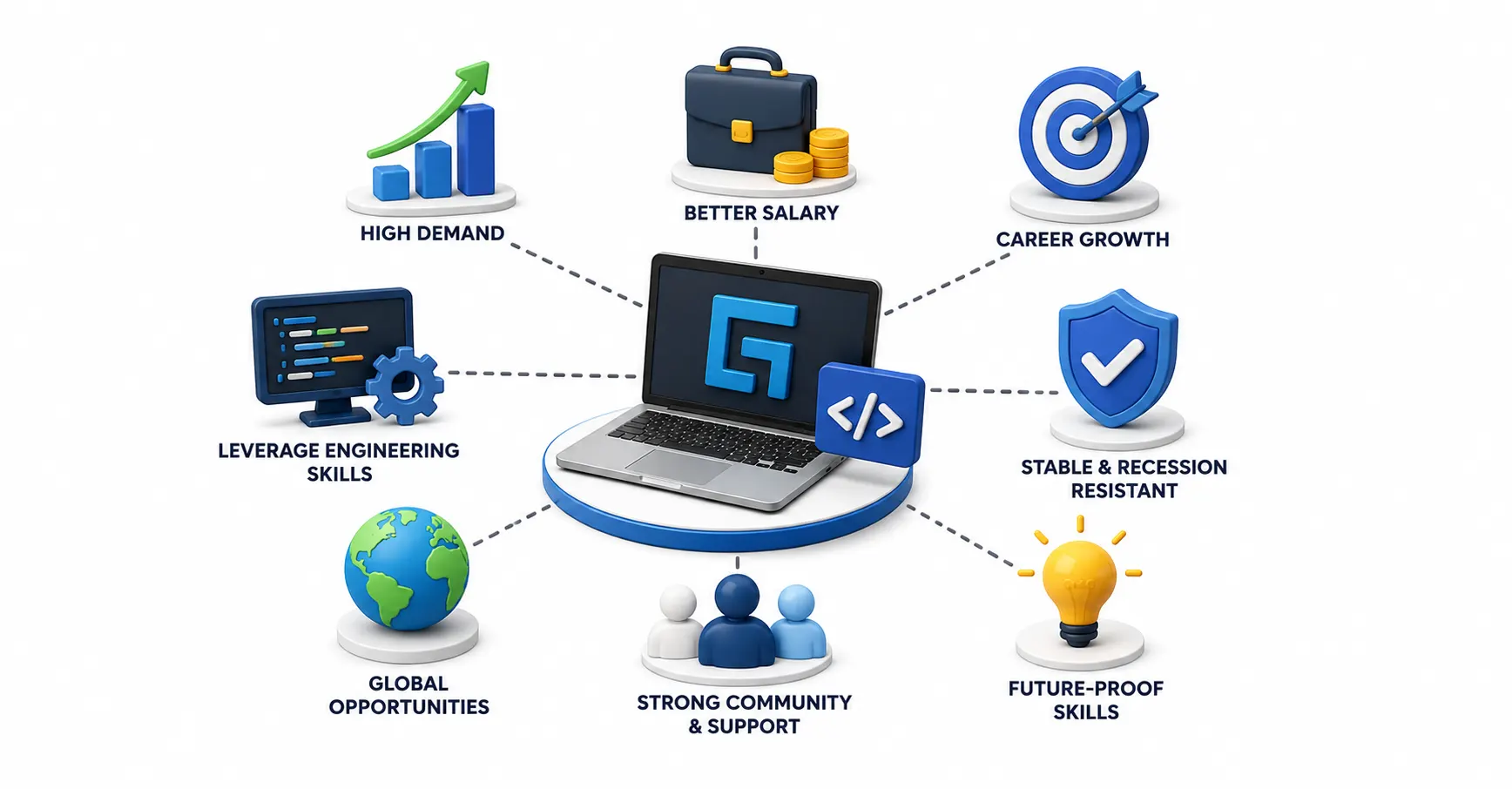
Why Should Software Engineers Learn Guidewire in India Before Switching Their Career
Navigate through this article using the table of contents below
Table of Contents
No headings found in this article.
A senior developer I know spent eleven years writing Java code for a mid-sized product company. Then insurance technology knocked on his door, and within eighteen months he was earning nearly double his old salary. His secret wasn't a new degree or a fancy certification stack — it was one focused decision to pursue a guidewire course in India before making the jump.
That single choice changed the trajectory of his career faster than any generic upskilling plan could have. Here's why so many engineers are quietly following the same path.
What Makes Guidewire Different From Every Other Framework You've Learned
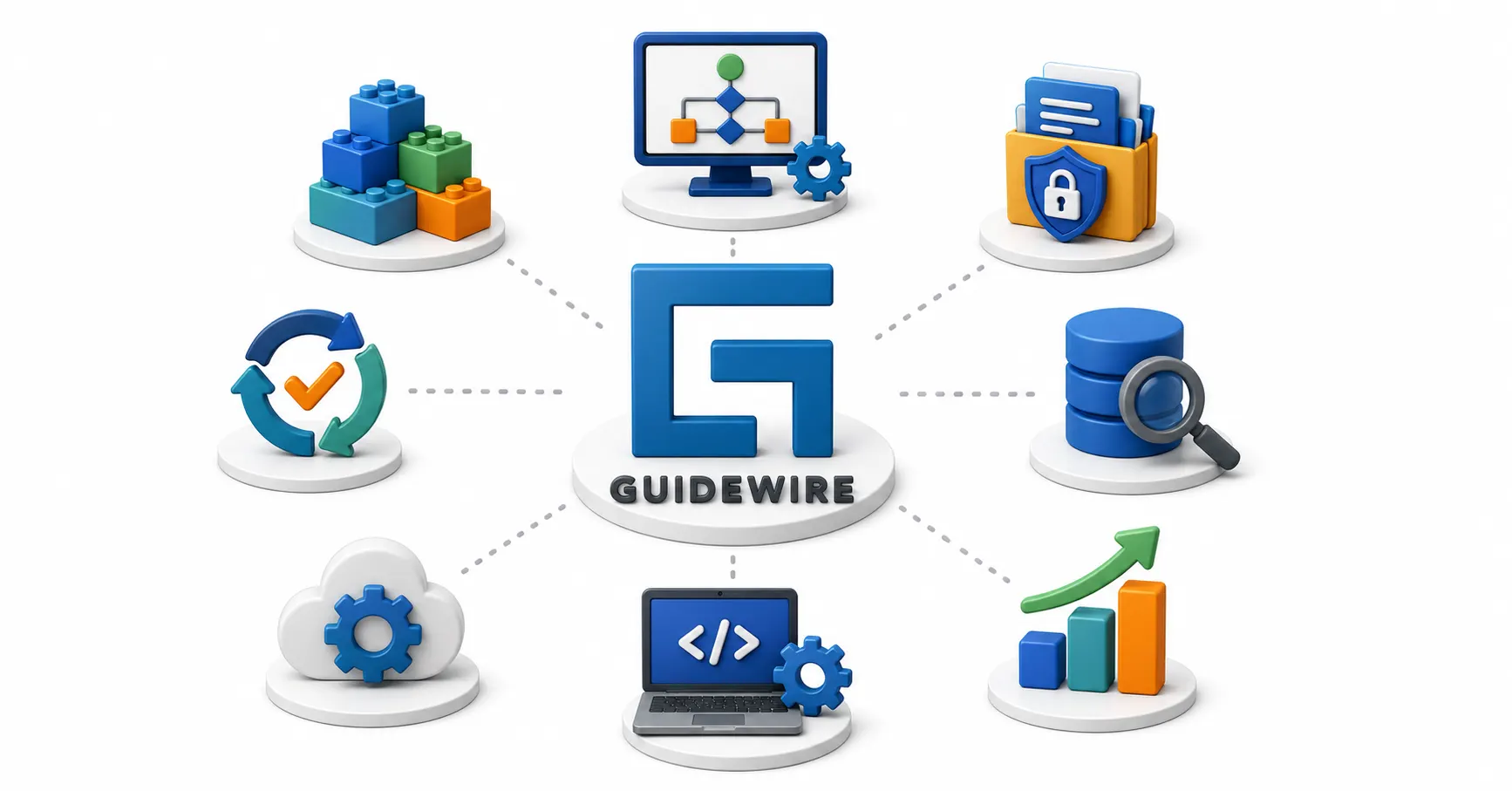
Most software engineers spend their early careers hopping between frameworks that feel interchangeable — one JavaScript library replaces another, one cloud platform mirrors the last. Guidewire doesn't work that way. It's a specialized platform built specifically for property and casualty insurance companies, covering policy administration, claims, and billing through three core products: PolicyCenter, ClaimCenter, and BillingCenter.
Because it's domain-specific, the learning curve rewards depth over breadth. You're not just picking up syntax; you're absorbing how insurance businesses actually operate — underwriting rules, claims workflows, regulatory nuances. That combination of technical and business knowledge is rare, and rarity is exactly what drives demand.
Engineers who've worked with Salesforce or SAP will recognize the pattern: platforms tied to a specific industry tend to create smaller, tighter talent pools. Fewer people know Guidewire well, which means the ones who do stand out immediately during hiring conversations, rather than competing against thousands of generic full-stack applicants.
The India Advantage Nobody Talks About Enough

Global insurance carriers have quietly built massive delivery centers across Pune, Hyderabad, Bengaluru, and the NCR region over the past decade. Companies like EXL, Cognizant, and several insurance-focused system integrators run large Guidewire practices from India, serving clients across the US, UK, and Australia.
This matters because it means the demand isn't theoretical — it's sitting in your own city. A guidewire course in India puts you close to actual hiring pipelines instead of leaving you to compete for remote roles against candidates worldwide.
There's also a cost advantage that works in your favor. Training and certification costs in India run significantly lower than equivalent programs in the US or Europe, yet the certification itself carries identical global weight. You're not getting a watered-down version of the skill; you're getting the same Guidewire credential recognized by insurers everywhere, at a fraction of the price.
Add to that India's growing reputation as an insurance-technology delivery hub, and the timing works in your favor. Companies aren't just outsourcing basic support work anymore — they're building core development and configuration teams locally, which means real ownership, not just ticket-closing.
How Insurance Companies Are Quietly Driving Up Demand
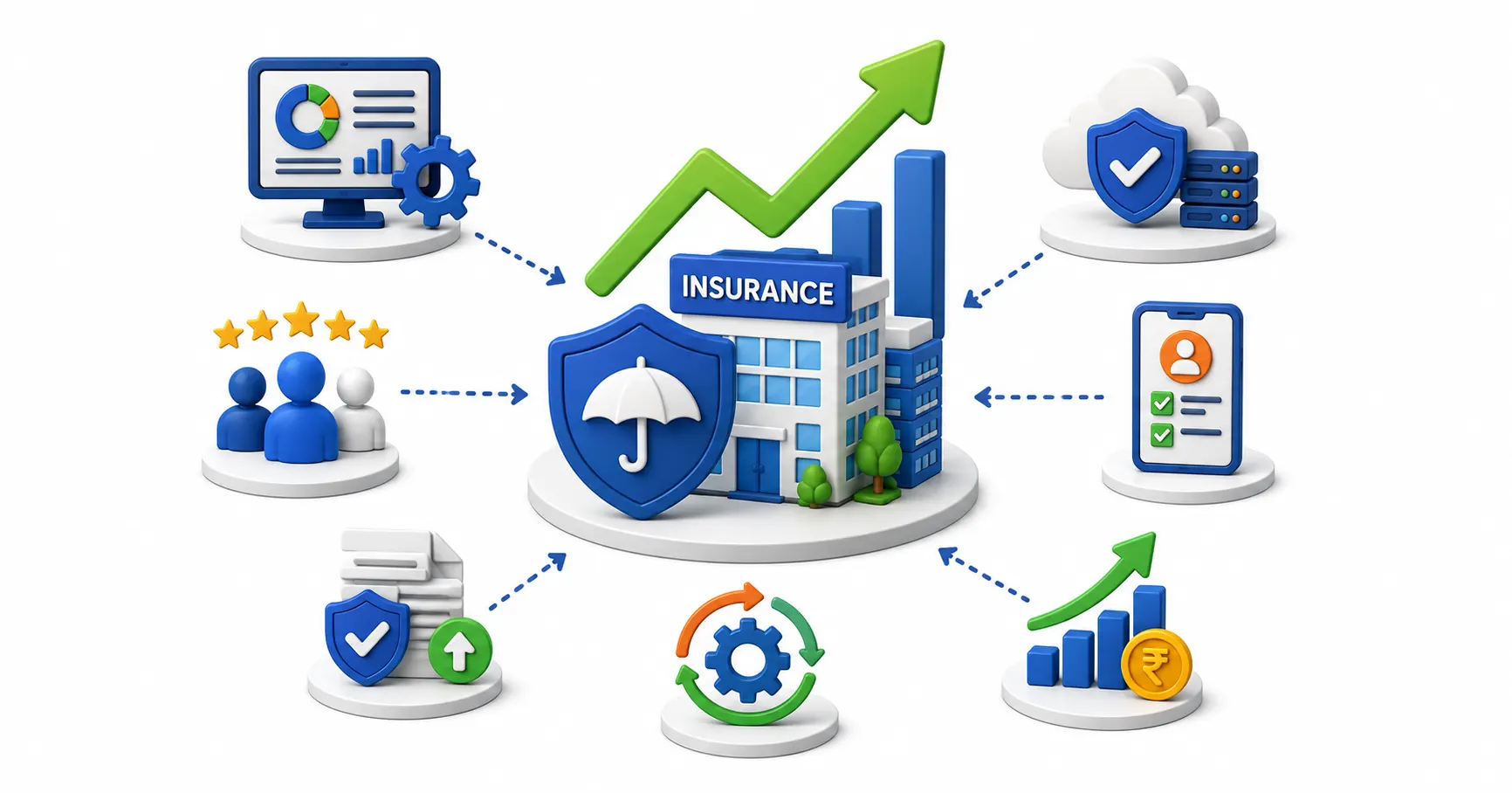
Insurance is one of the last major industries to modernize its core systems, and that delay has created a backlog of urgent work. Legacy mainframe systems built in the 1990s are being retired, and Guidewire is one of the preferred replacements for policy, billing, and claims management.
Every carrier making this switch needs configuration developers, integration specialists, and business analysts who understand the platform. Unlike a one-time app build, insurance core-system migrations take years — often three to five per implementation — which translates into sustained hiring, not a short-lived spike.
Analysts covering the insurtech space have repeatedly flagged Guidewire as a market leader among core insurance platforms, with adoption spreading well beyond the US into Europe and Asia-Pacific markets. That geographic spread means opportunities aren't limited to one region or one type of client.
For an engineer evaluating where to invest the next six months of learning, this steady, multi-year demand curve is far more reassuring than chasing whatever framework happens to be trending on social media this quarter. Guidewire's growth is tied to entire industries rebuilding their infrastructure, not a passing trend.
From Generalist Developer to Specialist: What Actually Changes
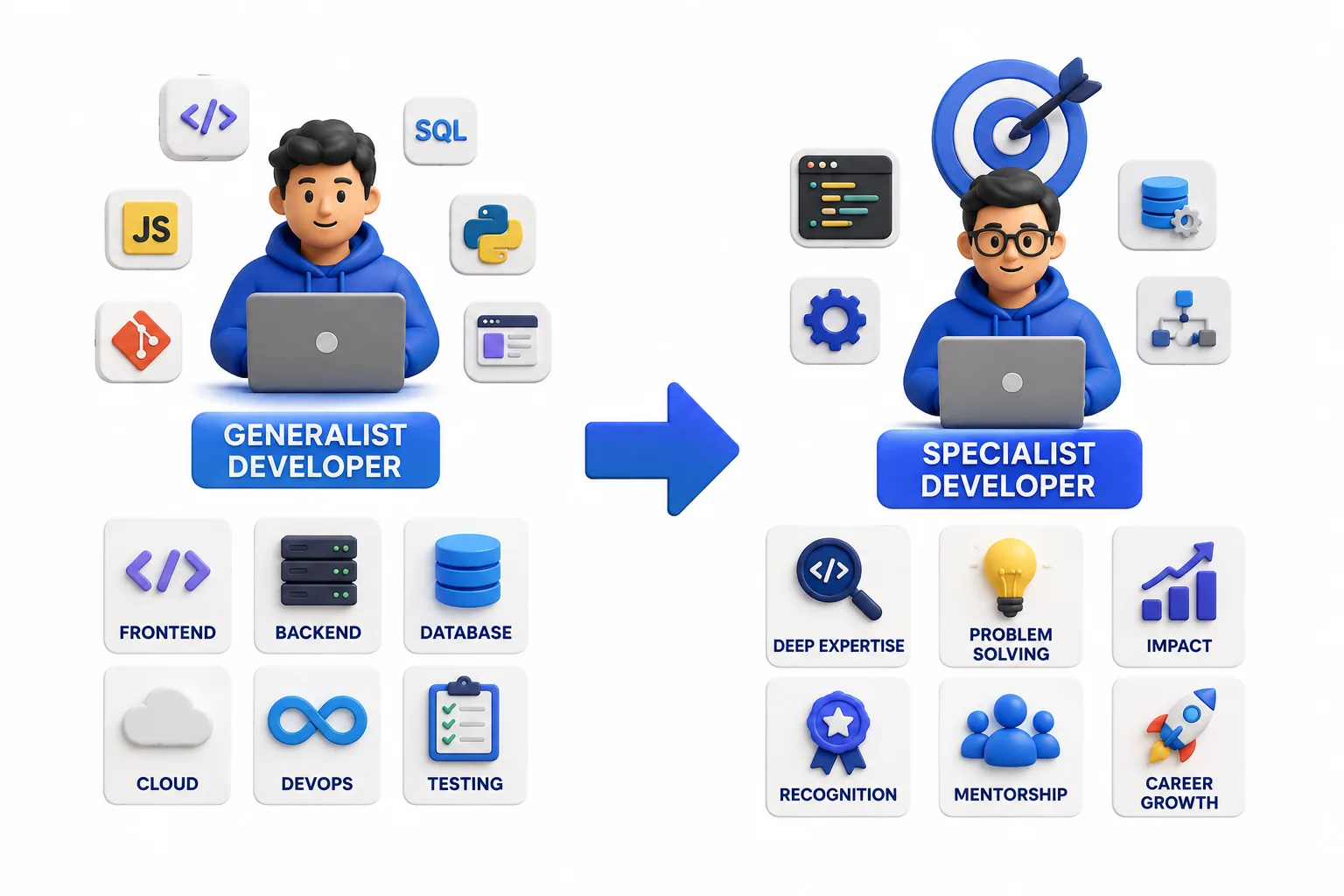
Switching from generic development work to Guidewire specialization changes more than your resume — it changes how hiring managers perceive you. A generalist Java developer competes on volume; a Guidewire-certified specialist competes on scarcity.
Practical example: a developer with five years of plain Java experience might apply to 40 roles and hear back from six. The same developer, after completing structured Guidewire training and earning an Associate certification, often finds recruiters reaching out directly, because certified Guidewire professionals remain in short supply relative to demand.
The shift also changes the nature of the work itself. Instead of building yet another CRUD application, you're configuring rating engines, designing claims workflows, and integrating with rules engines that directly affect how insurers calculate risk and process payouts. That's meaningful, business-critical work — the kind that builds a stronger portfolio story in interviews.
There's a compounding effect too. Once you've specialized in one Guidewire product, picking up the second and third becomes noticeably easier, since the underlying Gosu scripting language and configuration patterns carry across PolicyCenter, ClaimCenter, and BillingCenter. Specialization, in this case, doesn't narrow your options — it multiplies them.
Choosing the Right Training Path Without Wasting Time or Money
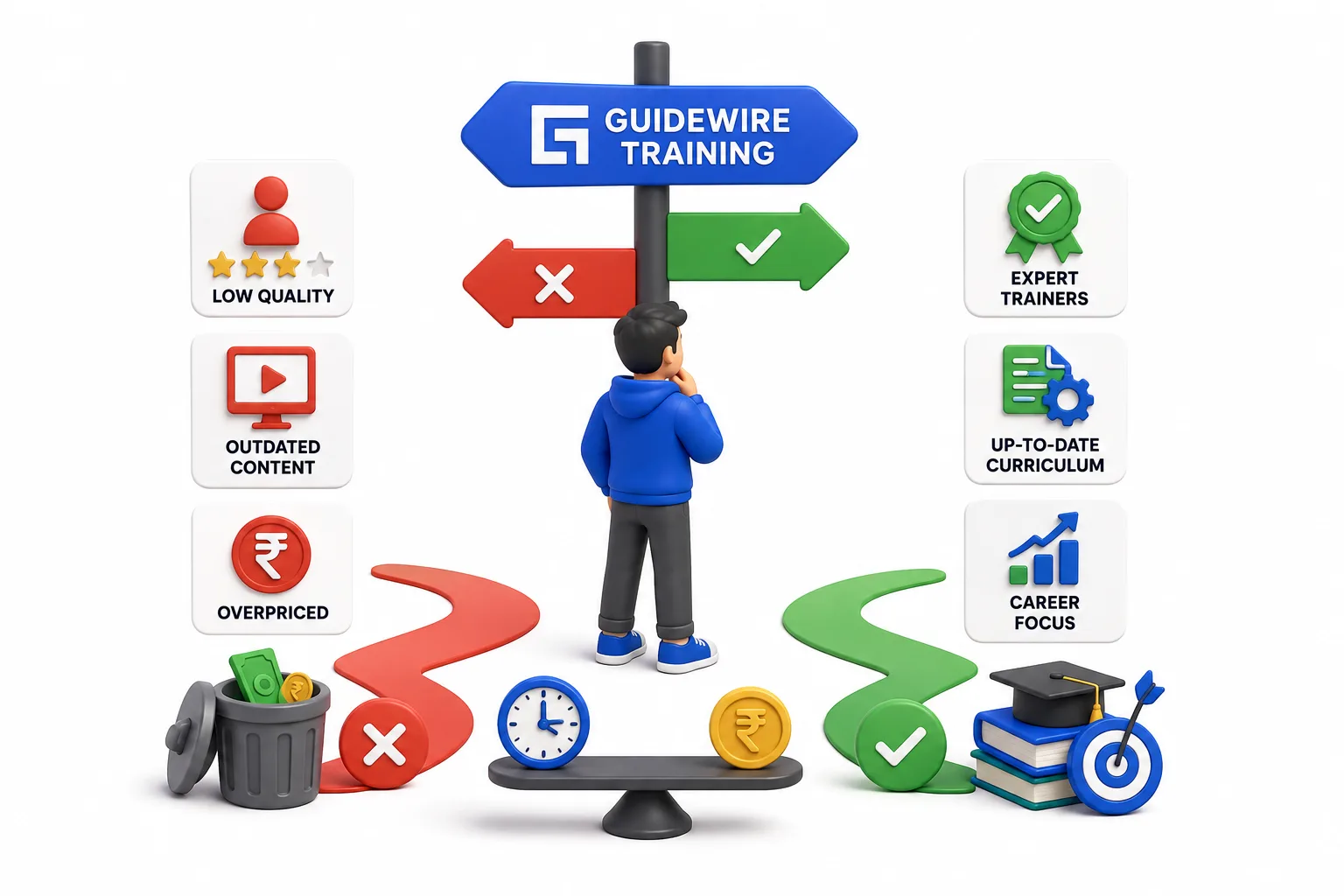
Not every training program delivers equal value, and this is where a lot of engineers lose months chasing the wrong resources. A strong guidewire course in India should combine live instructor-led sessions, hands-on lab access to the actual platform, and guided preparation for Guidewire's official certification exams.
Avoid programs that rely purely on recorded videos with no practical environment — Guidewire's configuration work is deeply hands-on, and reading about Gosu scripting isn't the same as writing it under guidance. Look for programs that assign real project scenarios: building a product model, configuring underwriting rules, or setting up a claims workflow end to end.
If you're serious about making this transition efficiently, Jast Tech's Guidewire training program in India is built around exactly this structure — practical labs, experienced trainers from the insurance-tech industry, and a curriculum mapped to current certification requirements. Programs like this shorten the gap between "I finished a course" and "I'm confident configuring this in a production environment," which is ultimately what employers are paying for.
Ask about placement support too. A good program doesn't just teach the platform; it connects you to the hiring conversations happening around it.
What Your First Year as a Guidewire Professional Actually Looks Like
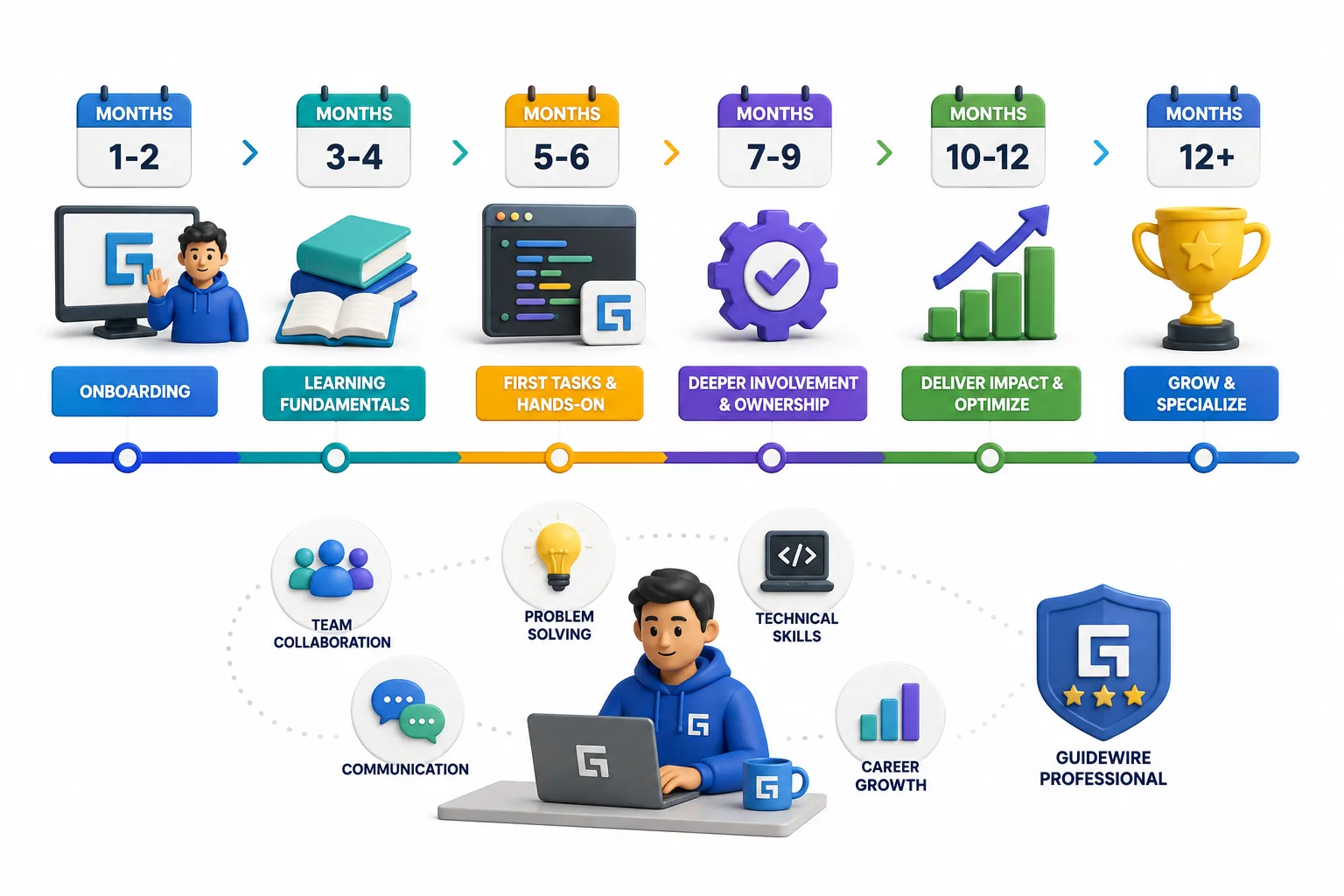
Expect a steep but manageable ramp-up. Most new Guidewire professionals spend their first few months on configuration tasks under senior guidance — adjusting business rules, building UI screens, and learning the client's specific implementation before touching integration work.
By month six or seven, many developers are handling small features independently, and by the end of year one, contributing to integration points between Guidewire and external systems like payment gateways or data warehouses becomes realistic. This progression tends to move faster than typical generalist roles, simply because the pool of experienced mentors is smaller and newer hires get pulled into real work sooner.
Salary growth in that first year often outpaces general software roles too, given the supply-demand imbalance discussed earlier. It's not unusual for engineers to see a meaningful jump within twelve to eighteen months, particularly if they pursue a second Guidewire certification during that period.
The trade-off is genuine effort upfront. Gosu scripting, PCF configuration files, and the platform's data model take real time to internalize. But engineers who push through that initial learning curve typically describe the payoff as arriving faster than expected.
Conclusion
Switching careers works best when the destination has real, sustained demand — and Guidewire's grip on insurance-core modernization checks that box. A well-structured guidewire course in India offers a practical, affordable route into a specialized field where qualified professionals remain genuinely hard to find. The engineers who move early usually aren't the ones with the flashiest resumes — they're the ones who spotted the gap before everyone else did.