

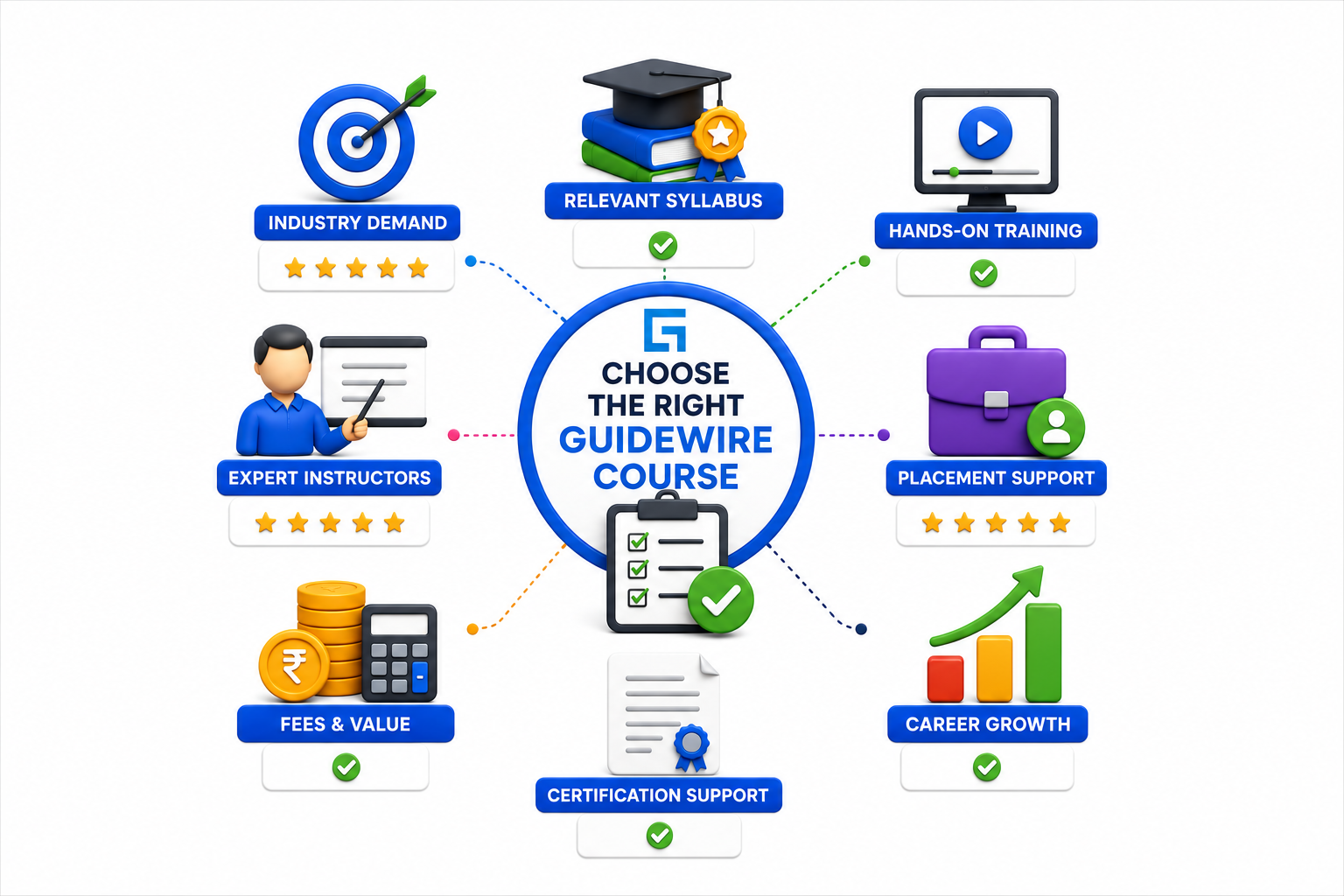
How to Choose a Guidewire Course That Leads to Real Job Opportunities
Navigate through this article using the table of contents below
Table of Contents
No headings found in this article.
Every year, thousands of IT professionals enroll in a guidewire course in india hoping it will open doors to insurance tech careers. Most of them never actually make it into a real Guidewire project.
That gap between certificate and career isn't about talent. It's about how the course was built in the first place — and once you know what to look for, spotting the difference becomes surprisingly easy.
Why Most Guidewire Training Programs Fail to Deliver Jobs
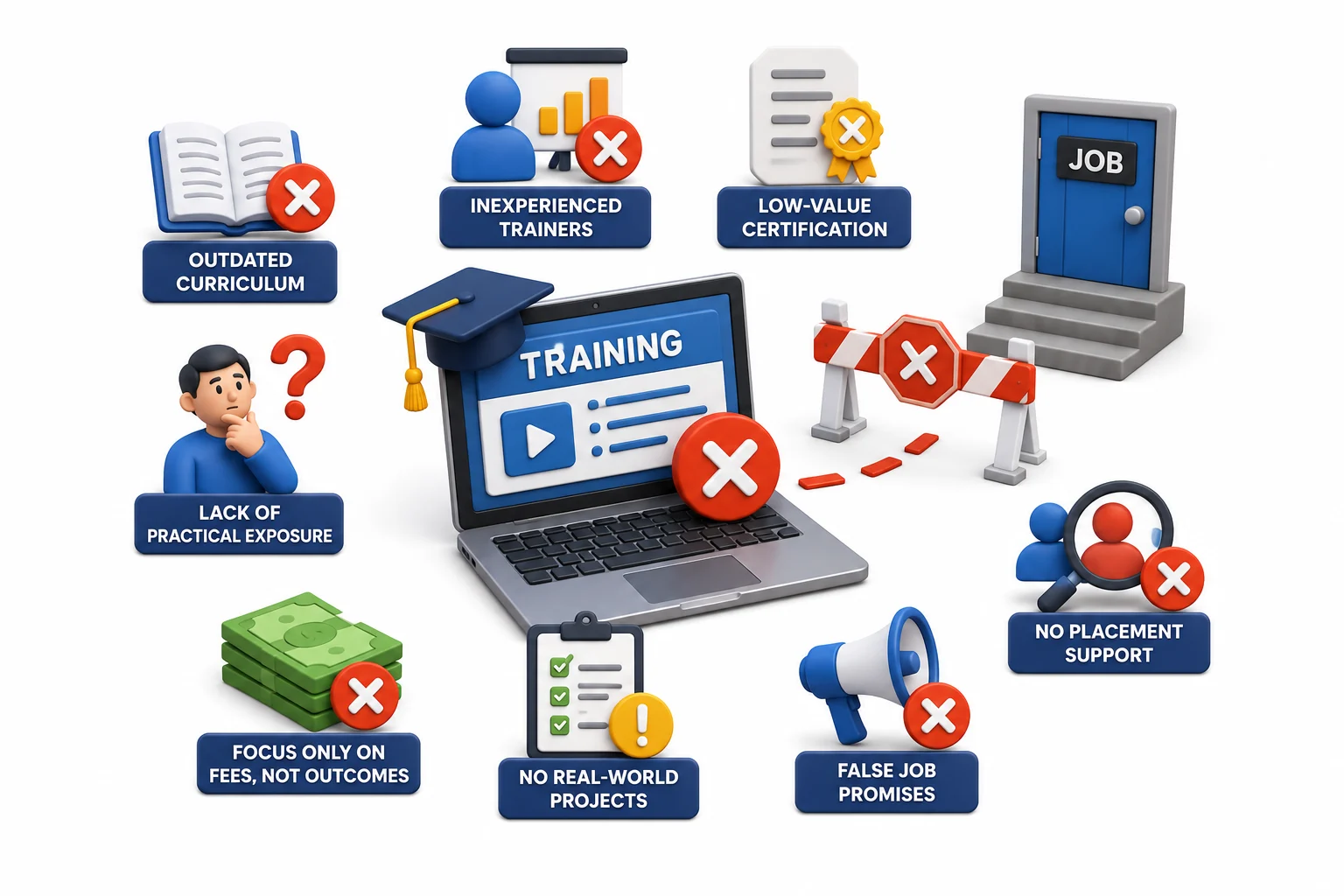
Walk into any online forum discussing Guidewire training, and you'll find the same complaint repeated in different words: "I finished the course, but I still can't crack the interview." The problem usually isn't the trainee's effort. It's that many programs teach Guidewire as a set of screens to click through rather than a platform to actually build on.
A genuine training program treats configuration, integration, and business rules as connected pieces of a working system, not isolated topics on a syllabus. Without that context, learners memorize steps instead of understanding why those steps exist.
Recruiters notice this instantly. A candidate who can explain why a rule was written a certain way stands out from one who can only recite what they clicked. This is exactly where a well-structured Guidewire training in India program earns its value — it builds the reasoning skills that interviews actually test, not just surface familiarity with the interface.
What Separates a Guidewire ClaimCenter Developer From a Generic Trainee
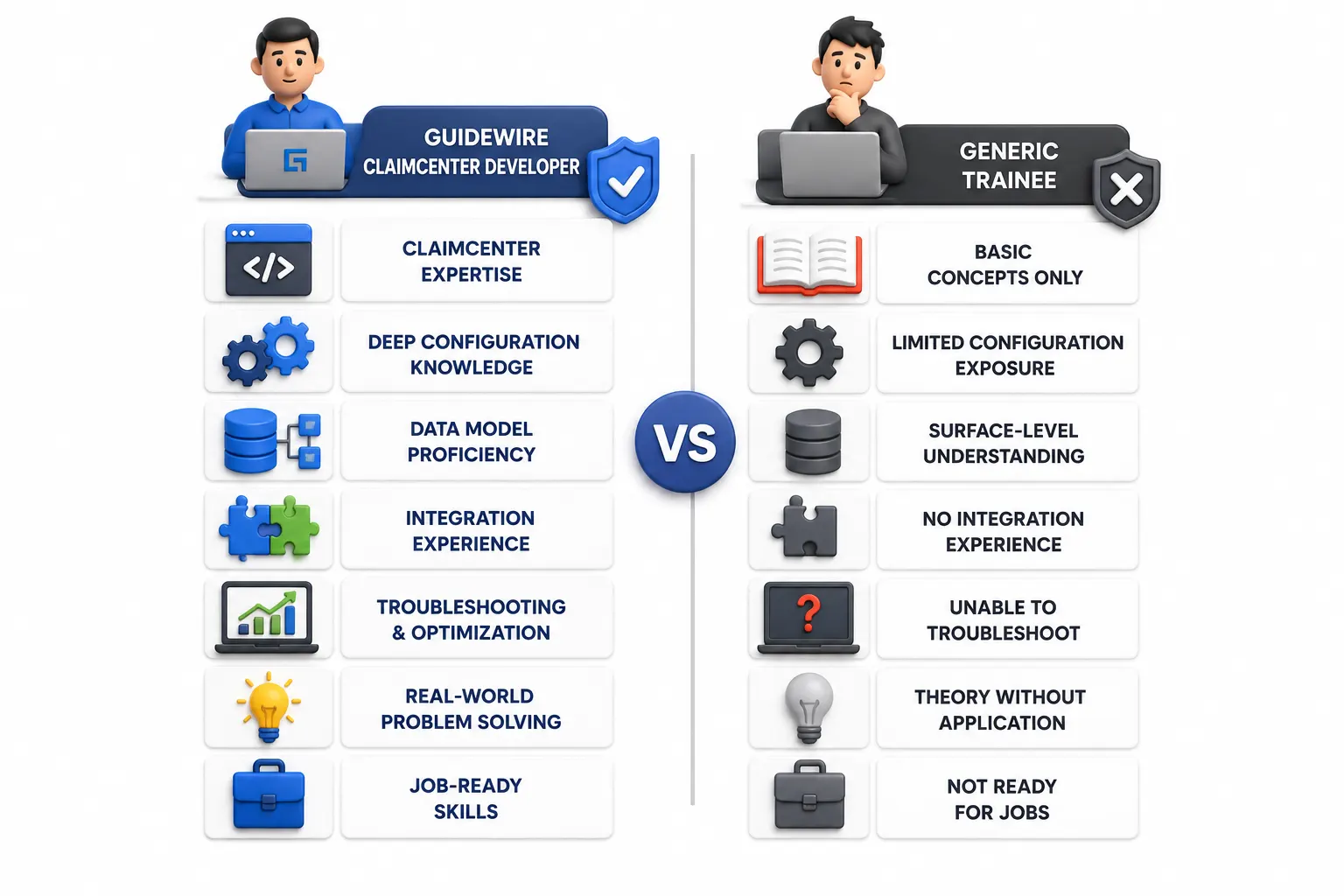
There's a real difference between someone who has "studied Guidewire" and someone who can function as a Guidewire ClaimCenter developer on day one of a project.
The trainee knows terminology. The developer knows how claims move through the system — from first notice of loss to settlement — and how ClaimCenter's data model, workflows, and business rules support that journey.
This distinction matters because ClaimCenter isn't a standalone tool; it's part of an insurance ecosystem that also includes PolicyCenter and BillingCenter. Understanding how these systems talk to each other is often what separates a shortlisted resume from an ignored one.
If you're serious about this specific career path, it helps to study what the role genuinely demands before choosing a program. This detailed breakdown on how to become a Guidewire ClaimCenter developer lays out the skill progression clearly, and it's worth reading before you commit your time and money to any course.
The Curriculum Checklist Nobody Tells You About
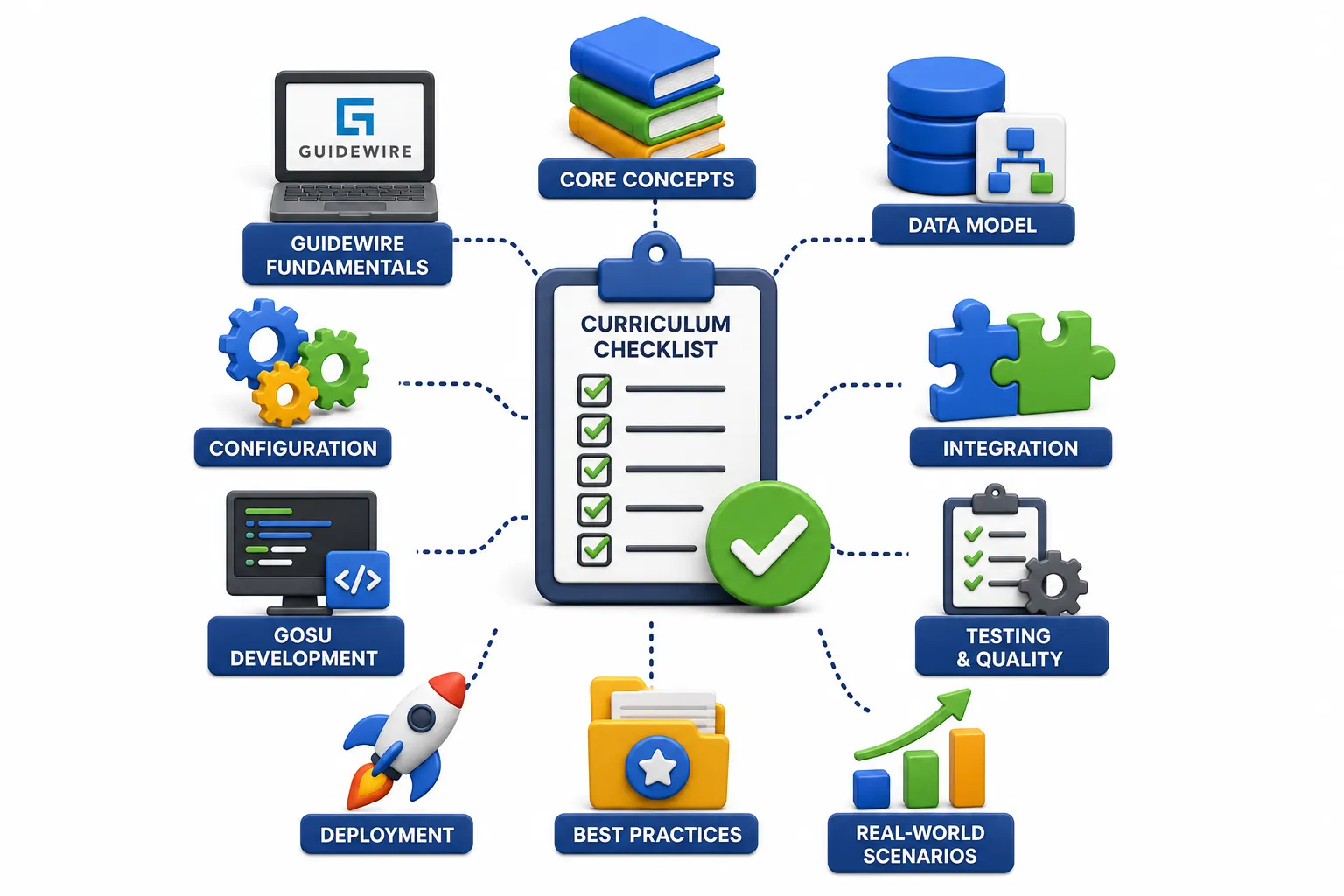
Course brochures tend to look impressive on paper. The real test is what's actually taught week by week, not what's listed as a bullet point on a landing page.
Here's what a curriculum genuinely built for employability should cover:
Gosu scripting fundamentals, not just an introduction
Data model concepts across PolicyCenter, ClaimCenter, and BillingCenter
Business rules, workflows, and event-driven configuration
Integration basics, including web services and messaging
Version control practices used in real project teams
Exposure to at least one recent Guidewire Cloud concept
If a program skips integration or treats Gosu as an afterthought, that's a warning sign. Insurers hire Guidewire professionals precisely because the platform connects to dozens of other systems, and configuration knowledge alone won't get you through a technical interview.
Ask for a session-by-session breakdown before enrolling. A trainer who can't show you one probably doesn't have one.
Hands-On Projects: The Real Difference Between Theory and Employability
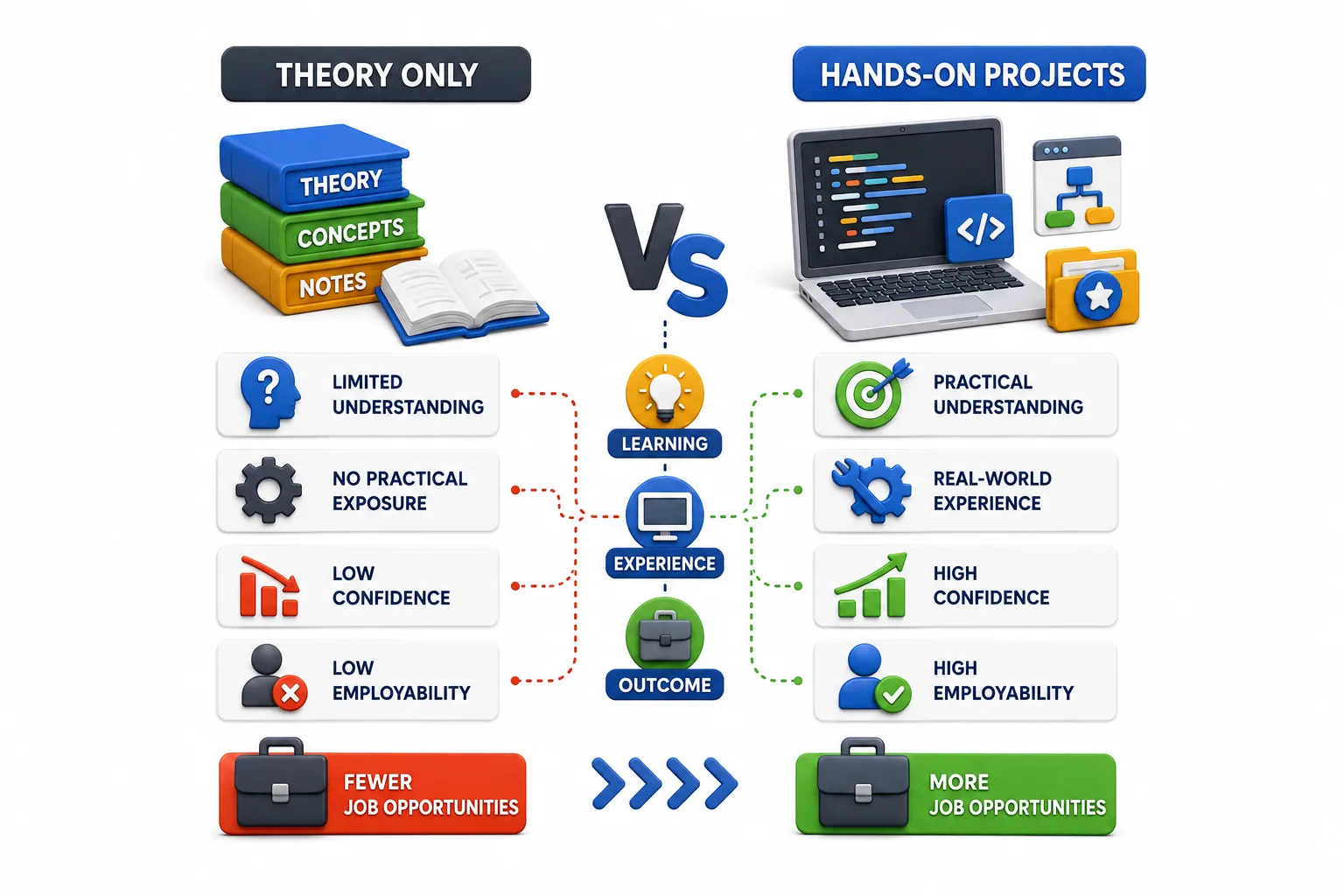
Nobody gets hired for watching recorded lectures. Employers want proof that you can configure, debug, and extend a Guidewire application without someone guiding your every click.
This is where hands-on project work becomes non-negotiable. A strong course doesn't just demonstrate features — it hands you a broken configuration and asks you to fix it, or gives you a business requirement and expects you to build the solution yourself.
Think of it the way a driving school works. You can watch someone parallel park a hundred times, but you don't actually learn until you're behind the wheel, making mistakes, and correcting them. Guidewire training works the same way.
Look for programs that simulate real project scenarios: claim intake changes, custom business rules, or integration touchpoints with external rating engines. Even a single well-designed capstone project can teach more than weeks of passive viewing, because it forces you to troubleshoot the way you would on an actual job.
How Placement Support Actually Works (And What to Watch Out For)
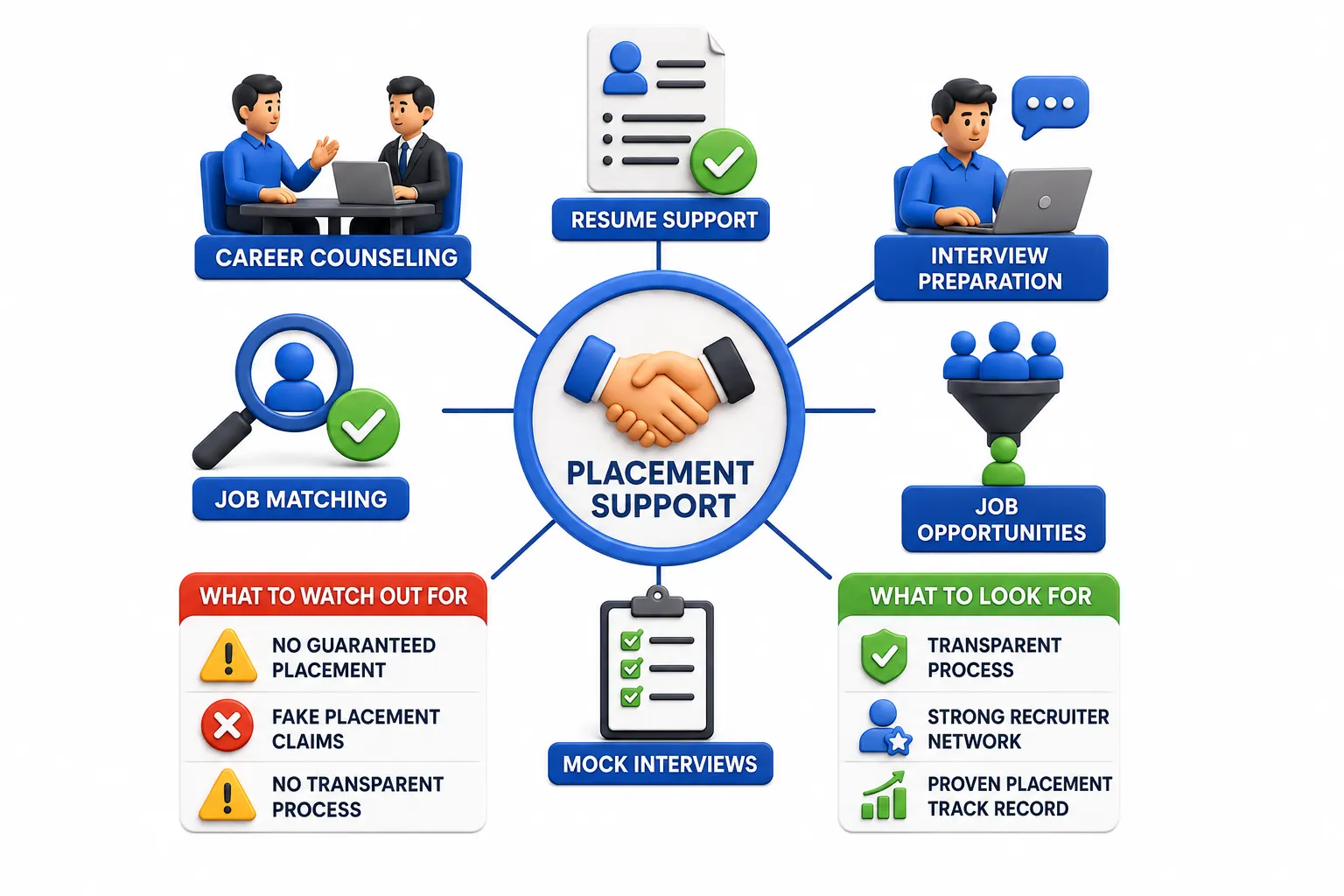
"100% placement guarantee" is one of the most misused phrases in the training industry, and Guidewire courses are no exception. No legitimate institute can guarantee a job outcome, because hiring depends on more than course completion.
What a credible program can offer is placement assistance — resume reviews tailored to insurance tech roles, mock interviews focused on real Guidewire scenarios, and connections to recruiters who are actually hiring for these positions. That's a meaningfully different promise, and it's the one worth paying attention to.
Before enrolling, ask direct questions: How many learners from the last two batches actually landed Guidewire roles? Can you speak to a recent graduate? Vague answers or refusal to share details usually means the placement support is more marketing than substance.
A trustworthy provider will be transparent about outcomes, even when they're modest, because honest data builds more credibility than inflated promises ever could.
Choosing Between Self-Paced, Live, and Hybrid Guidewire Courses in India
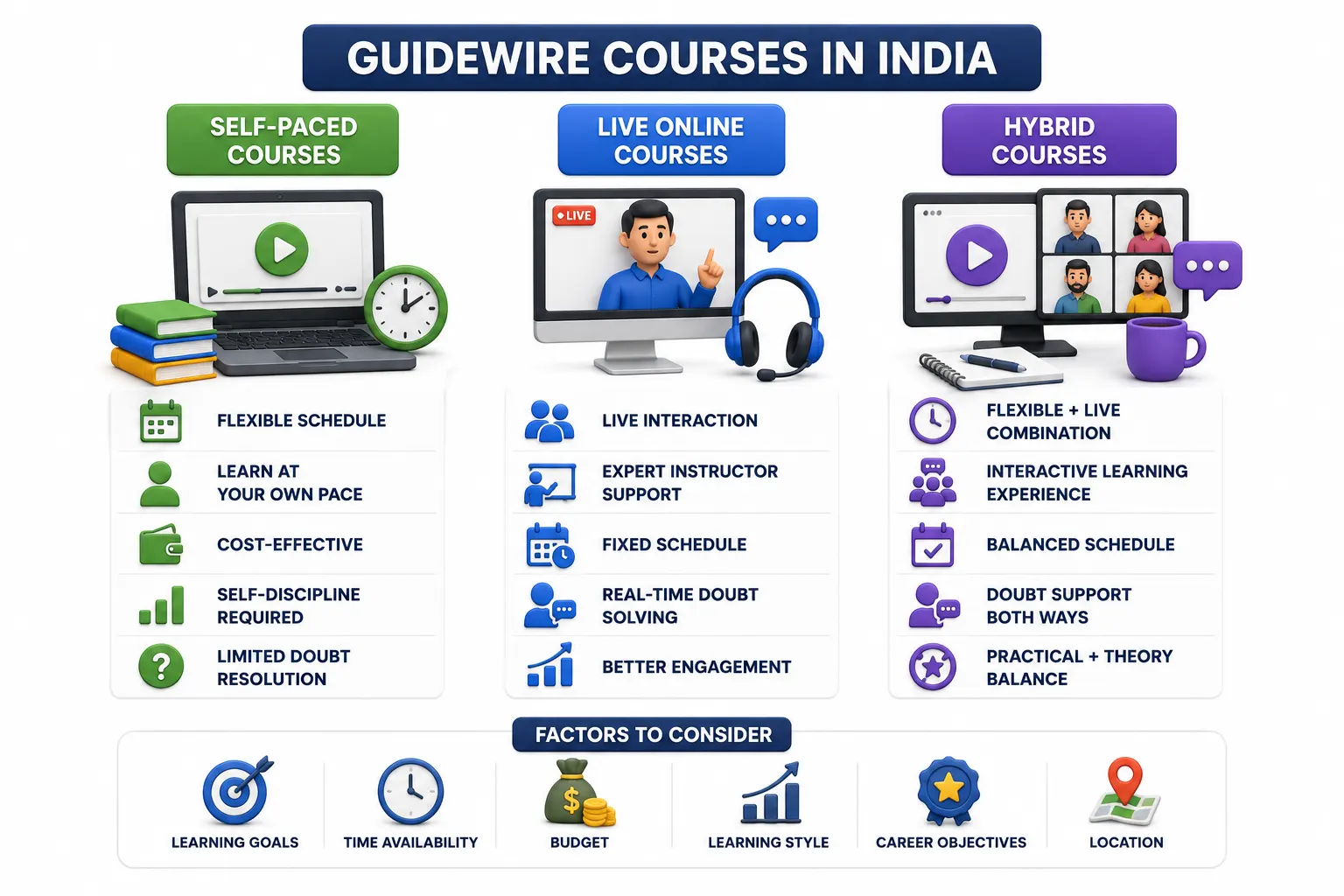
Format matters more than most learners realize when picking a guidewire course in india. Self-paced videos offer flexibility but little accountability — it's easy to fall behind when there's no live instructor checking your progress.
Live instructor-led sessions solve that problem by creating structure and giving you a direct line to ask questions as concepts get confusing, which they will. The trade-off is a fixed schedule that not everyone can commit to.
Hybrid formats have grown popular because they combine recorded fundamentals with live doubt-clearing sessions and project reviews. This structure suits working professionals who need flexibility on basics but still want expert guidance during the harder, project-based portions of the course.
There's no universally "correct" format. What matters is matching it honestly to your own learning habits, your available time, and how much structure you personally need to stay consistent through several months of technical training.
Final Thoughts
Choosing the right guidewire course in india comes down to curriculum depth, hands-on practice, and honest placement support — not glossy marketing. Focus on programs that build you into a capable Guidewire ClaimCenter developer, and the job opportunities will follow naturally.