

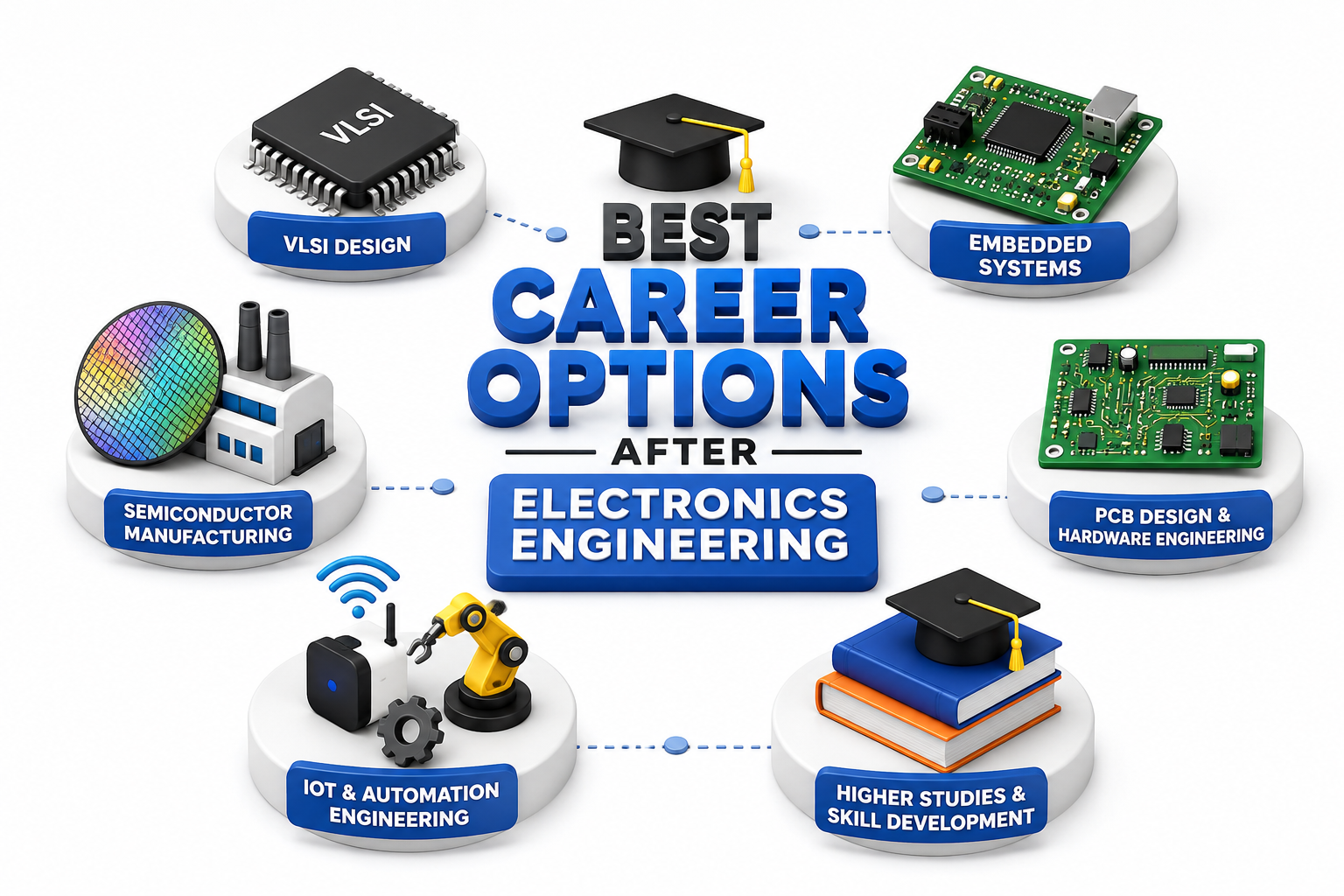
Best Career Options After Electronics Engineering
Navigate through this article using the table of contents below
Table of Contents
No headings found in this article.
Electronics Engineering is no longer limited to traditional hardware jobs. With India's semiconductor industry expanding rapidly and technologies like AI, IoT, electric vehicles, and 5G driving innovation, Electronics Engineering graduates now have access to some of the highest-paying and fastest-growing careers in technology.
The challenge isn't finding career opportunities—it's choosing the right one. Each specialization demands different skills, offers unique growth potential, and serves different industries. This guide explores the most promising career options after Electronics Engineering and helps you identify the path that aligns with your interests and long-term goals.
VLSI Design – Building the Chips That Power Modern Technology
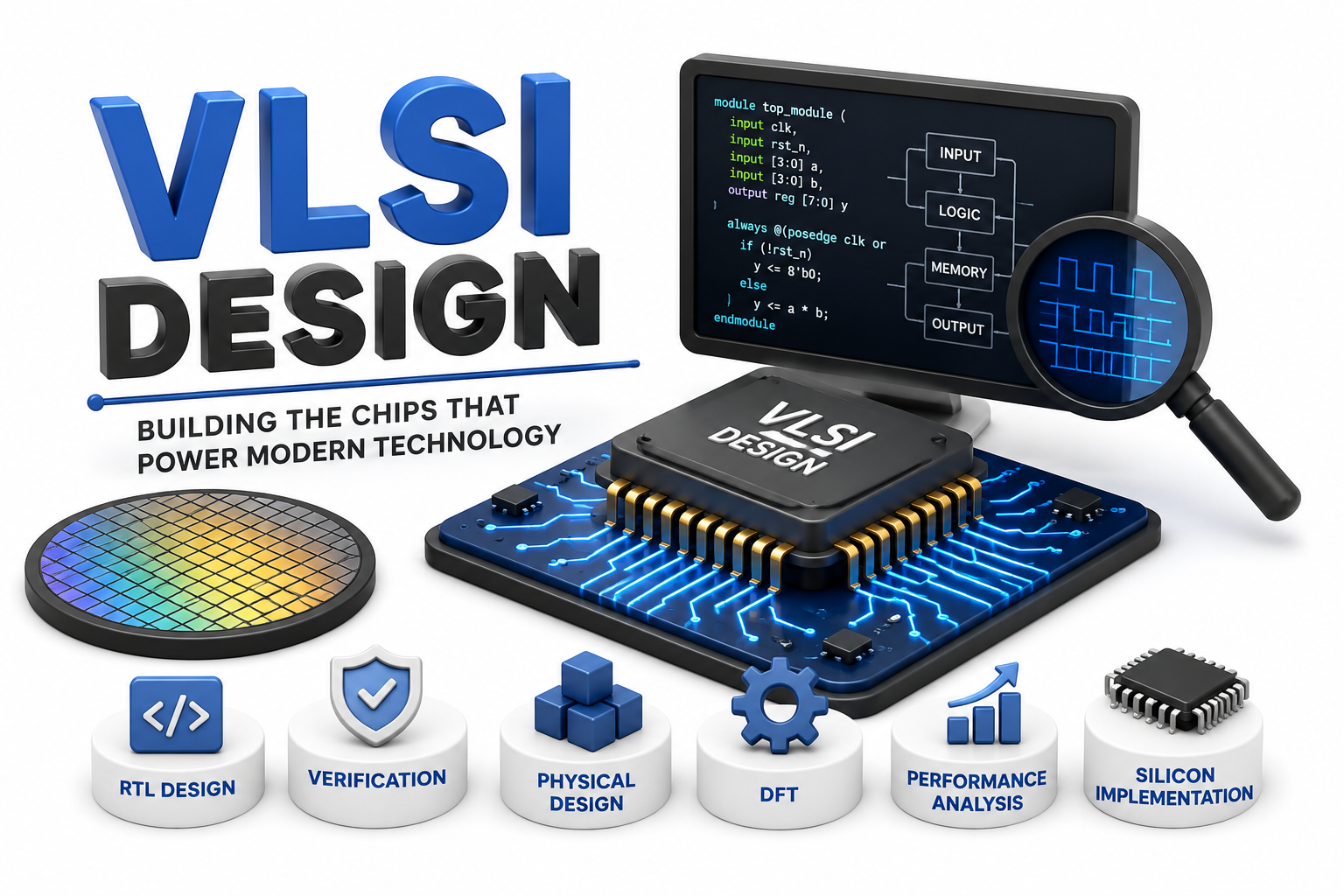
Very Large Scale Integration (VLSI) has become one of the most rewarding career choices for Electronics Engineering graduates. Every smartphone, AI accelerator, automotive processor, networking device, and wearable depends on integrated circuits designed by VLSI engineers. As semiconductor investments continue to increase across India, companies are actively hiring engineers with practical chip design skills.
Unlike many traditional electronics roles, VLSI combines electronics fundamentals with digital design, programming, and problem-solving. Engineers contribute to designing chips from the initial specification stage to final silicon manufacturing, making this domain both technically challenging and financially rewarding.
Key specializations include:
RTL Design
Functional Verification
Physical Design
Design for Testability (DFT)
Analog & Mixed-Signal Design
Static Timing Analysis (STA)
Professionals entering VLSI often enjoy excellent career progression because semiconductor companies value specialized expertise. Engineers with strong project portfolios and hands-on exposure typically stand out during recruitment.
Embedded Systems Engineering – Connecting Hardware with Software
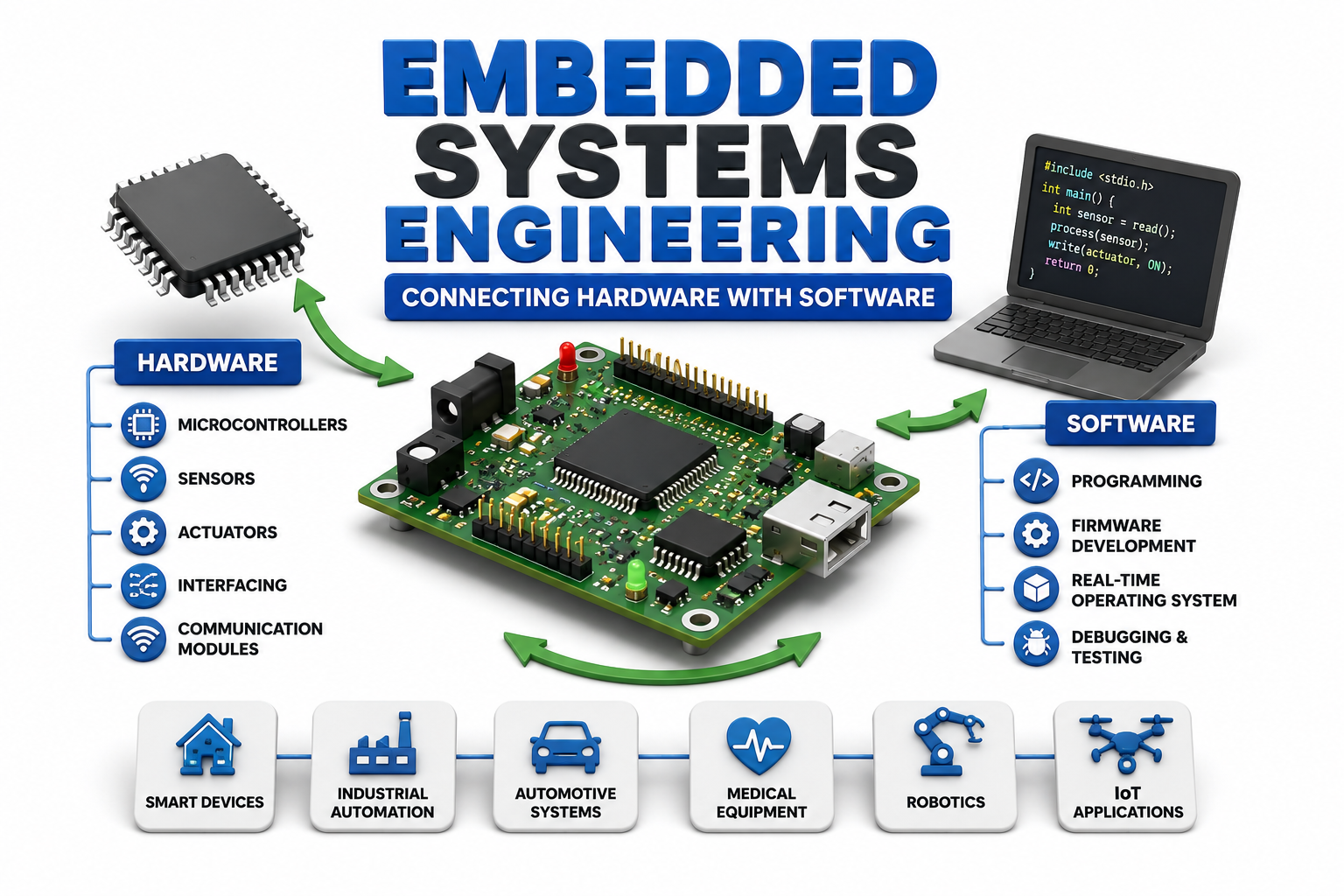
Embedded Systems remains one of the most versatile career options after Electronics Engineering because almost every intelligent electronic device contains embedded hardware and firmware. From consumer electronics to industrial automation and healthcare equipment, embedded engineers develop systems that control real-world devices.
This career is ideal for students who enjoy both electronics and programming. Engineers work closely with microcontrollers, processors, sensors, communication protocols, and real-time operating systems to create reliable and efficient products.
Common skills required include:
C and Embedded C Programming
ARM Architecture
Microcontrollers
Device Drivers
RTOS
UART, SPI, I2C, CAN Protocols
PCB Basics
Industries hiring Embedded Engineers include automotive manufacturers, medical device companies, robotics firms, consumer electronics companies, aerospace organizations, and IoT startups. The growing adoption of electric vehicles and smart devices continues to increase demand for embedded professionals.
Semiconductor Manufacturing and Chip Packaging – The Backbone of India's Semiconductor Growth
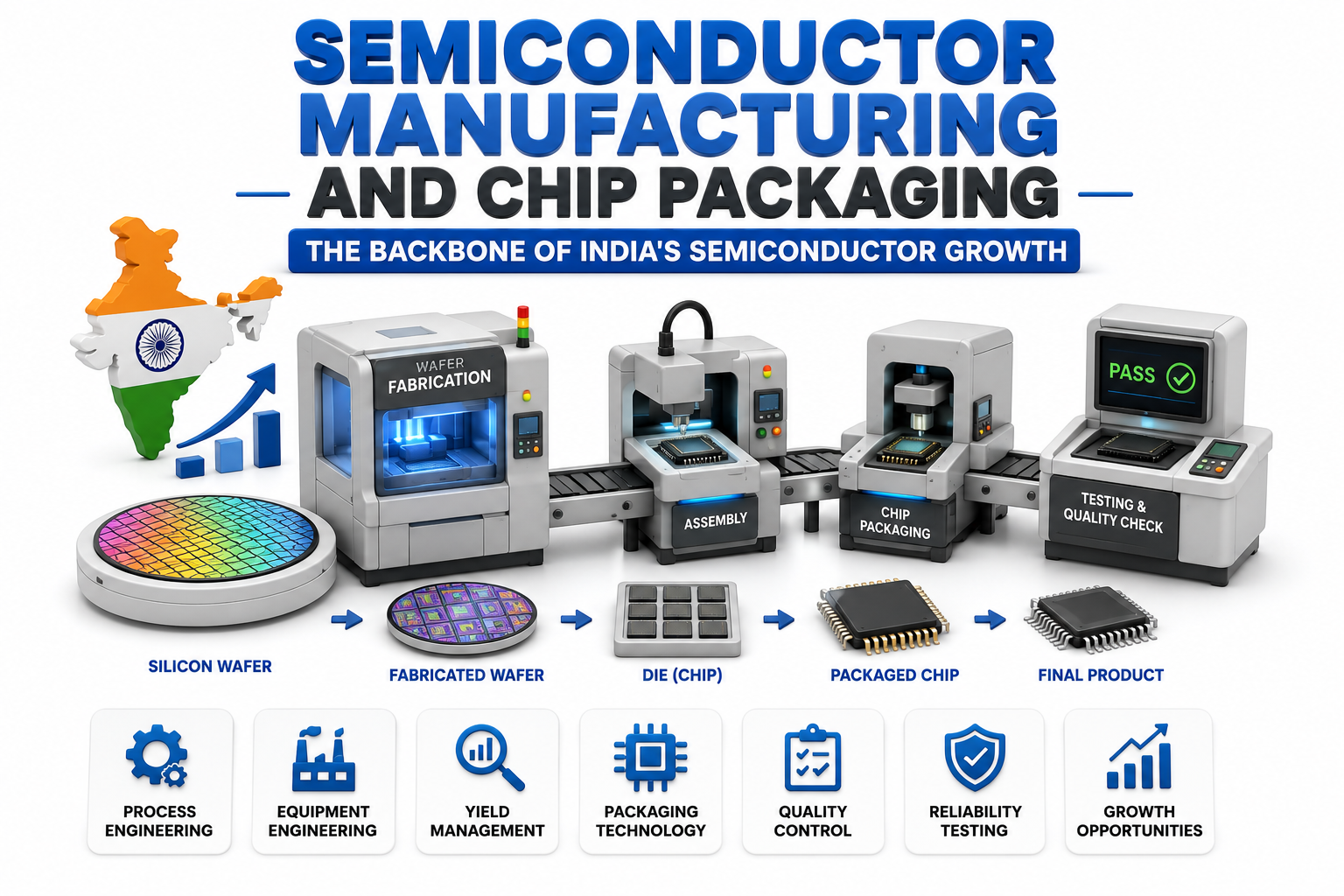
For years, India's semiconductor ecosystem focused primarily on chip design. Today, semiconductor manufacturing, assembly, packaging, and testing have become major employment generators as new fabrication and packaging facilities begin operations across the country.
This field involves transforming chip designs into physical semiconductor devices through sophisticated manufacturing processes. Engineers work on wafer fabrication, process engineering, quality control, equipment maintenance, packaging technologies, and semiconductor testing.
Career opportunities include:
Process Engineer
Yield Engineer
Packaging Engineer
Equipment Engineer
Reliability Engineer
Product Engineer
Students interested in manufacturing, automation, materials science, and industrial engineering often find this domain highly rewarding. As India's semiconductor ecosystem matures, these roles are expected to become increasingly valuable, offering long-term career stability and opportunities to work with advanced manufacturing technologies.
The demand for professionals with practical semiconductor knowledge is also encouraging many graduates to pursue industry-oriented training programs. Institutes like JastTech provide hands-on learning in domains such as VLSI, Physical Design, RTL Design, Functional Verification, and DFT, helping students bridge the gap between academic concepts and real industry requirements.
PCB Design and Hardware Engineering – Designing Reliable Electronic Products
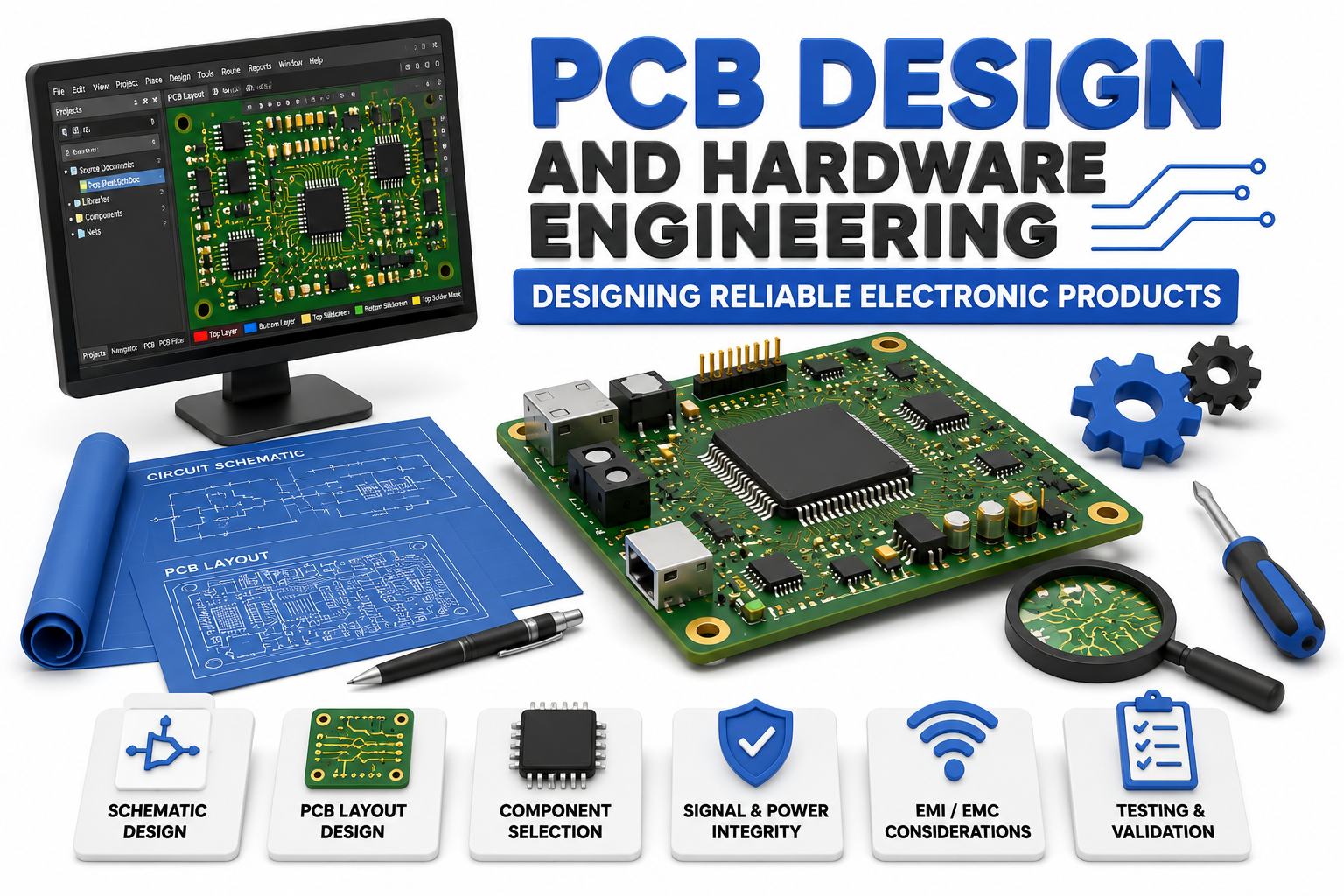
Printed Circuit Board (PCB) Design is one of the core career paths for Electronics Engineering graduates who enjoy hardware development. Every electronic product—from consumer gadgets and industrial controllers to medical equipment and communication systems—requires a carefully designed PCB. Hardware engineers are responsible for converting circuit concepts into manufacturable boards that meet performance, reliability, and cost requirements.
PCB designers collaborate with embedded engineers, mechanical designers, and manufacturing teams to ensure the final product functions efficiently. The growing demand for indigenous electronics manufacturing and the expansion of consumer electronics, automotive electronics, and industrial automation have significantly increased opportunities in this field.
Essential skills include:
Schematic capture and PCB layout
Signal integrity and power integrity basics
Component selection
High-speed PCB design
EMI/EMC considerations
Design software such as Altium Designer, Cadence Allegro, or KiCad
Engineers with practical PCB projects often find opportunities in electronics manufacturing companies, automotive suppliers, defense organizations, telecom companies, and consumer electronics brands.
IoT and Automation Engineering – Powering Smart Devices and Smart Industries
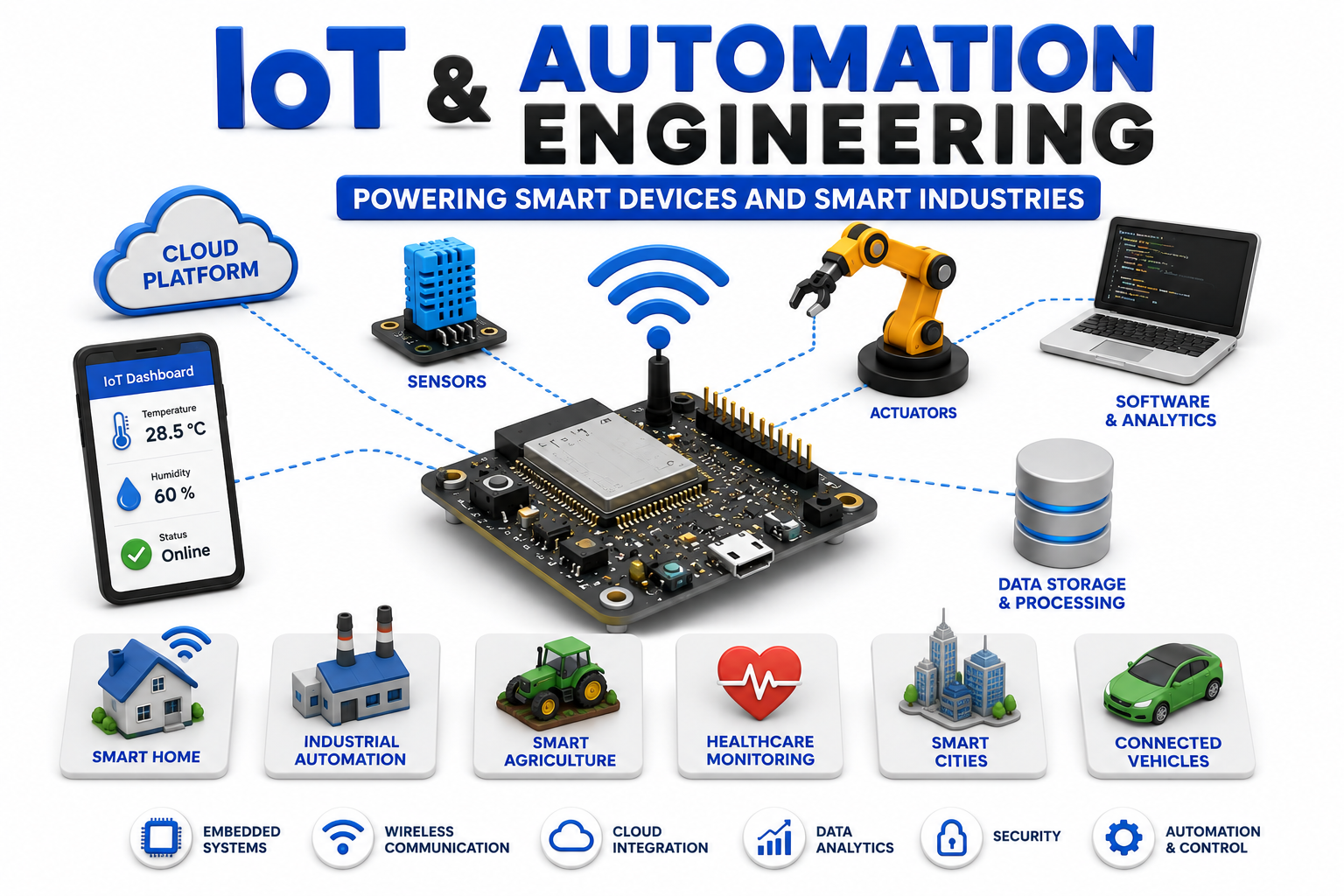
The Internet of Things (IoT) has transformed how devices communicate, monitor, and automate real-world processes. From smart homes and wearable devices to factory automation and smart agriculture, IoT engineers design systems that combine sensors, embedded hardware, cloud connectivity, and data analytics.
Electronics Engineering graduates are well-positioned for this field because it requires knowledge of both hardware and software. Engineers develop connected devices capable of collecting and exchanging data while ensuring security, efficiency, and low power consumption.
Popular technologies used in IoT include:
ESP32 and Arduino platforms
Raspberry Pi
Wi-Fi, Bluetooth, Zigbee, and LoRa
Cloud platforms
Sensor interfacing
Edge computing
Industrial automation systems
As industries continue adopting Industry 4.0 practices, IoT professionals are becoming increasingly valuable across manufacturing, healthcare, logistics, agriculture, and smart city projects.
Higher Studies vs Industry-Oriented Skill Development – Which Path Should You Choose?
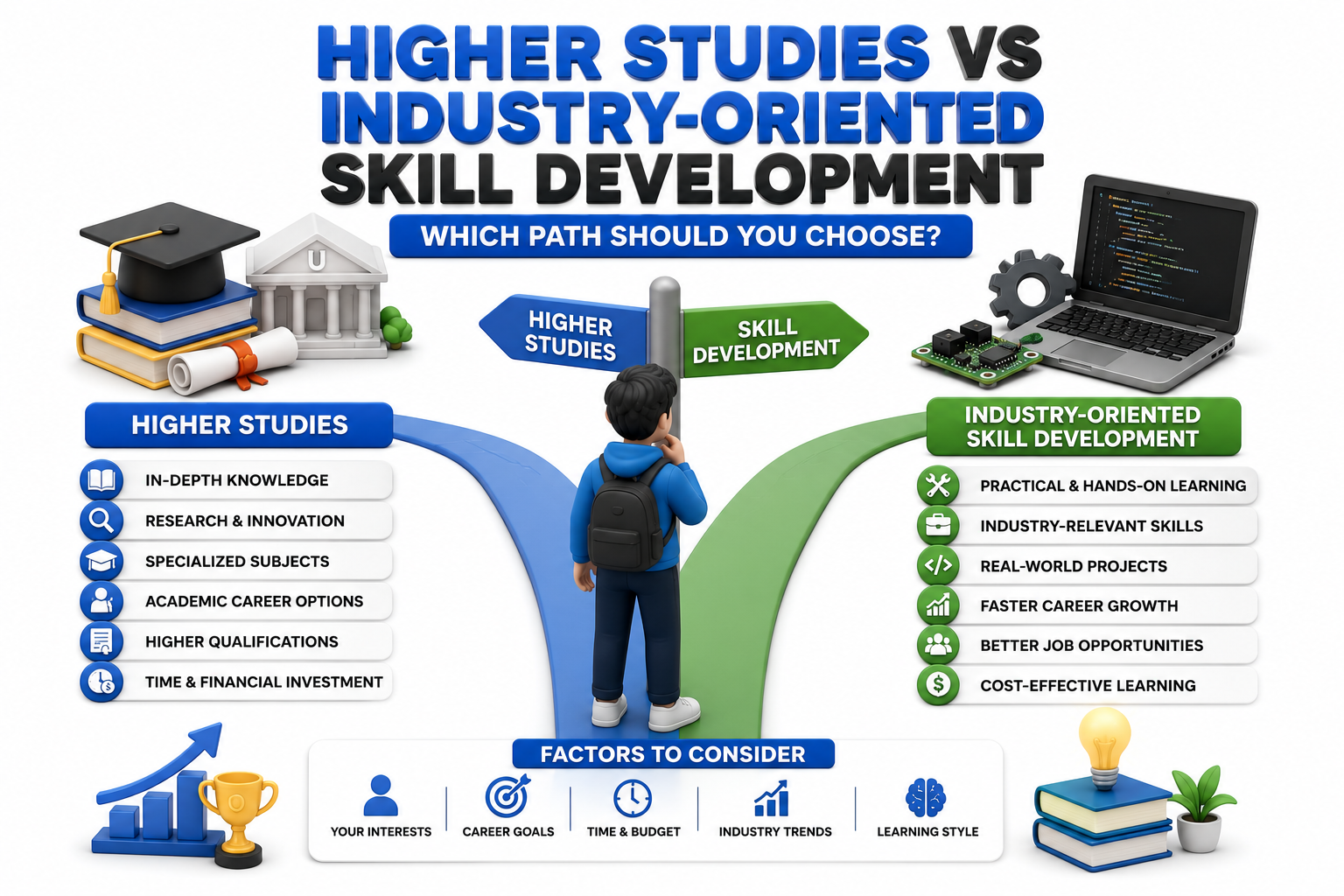
Many Electronics Engineering graduates struggle with an important decision after graduation: pursue higher studies or start building specialized technical skills for immediate employment. The right choice depends on your career goals rather than following a common trend.
Higher education can be beneficial for students interested in research, academia, or highly specialized technical domains. On the other hand, companies increasingly prioritize candidates who demonstrate practical skills, industry projects, and familiarity with current design tools.
Before making your decision, consider the following:
Your preferred technical domain
Long-term career goals
Financial considerations
Interest in research versus product development
Current hiring trends
Availability of practical training
If your goal is to enter the semiconductor industry quickly, industry-oriented programs can significantly improve your job readiness. Training institutes like JastTech emphasize practical learning through real-world projects in VLSI Design, RTL Design, Functional Verification, Physical Design, Embedded Systems, and DFT. Such experience helps graduates develop skills that employers actively seek during recruitment.
Conclusion
Electronics Engineering offers far more opportunities today than it did just a few years ago. The rapid growth of semiconductors, embedded technologies, IoT, electronics manufacturing, AI hardware, and automation has created a diverse range of career paths for graduates. Instead of choosing a field based solely on salary or popularity, focus on identifying a specialization that matches your strengths, interests, and long-term aspirations.
The most successful Electronics Engineering professionals continuously update their technical knowledge, build practical projects, and stay aligned with evolving industry demands. Whether you choose VLSI Design, Embedded Systems, PCB Design, Semiconductor Manufacturing, or IoT Engineering, developing hands-on expertise will significantly improve your career prospects. With structured learning, practical experience, and guidance from industry-focused training providers such as JastTech, you can confidently build a rewarding career in one of the world's fastest-growing technology sectors.